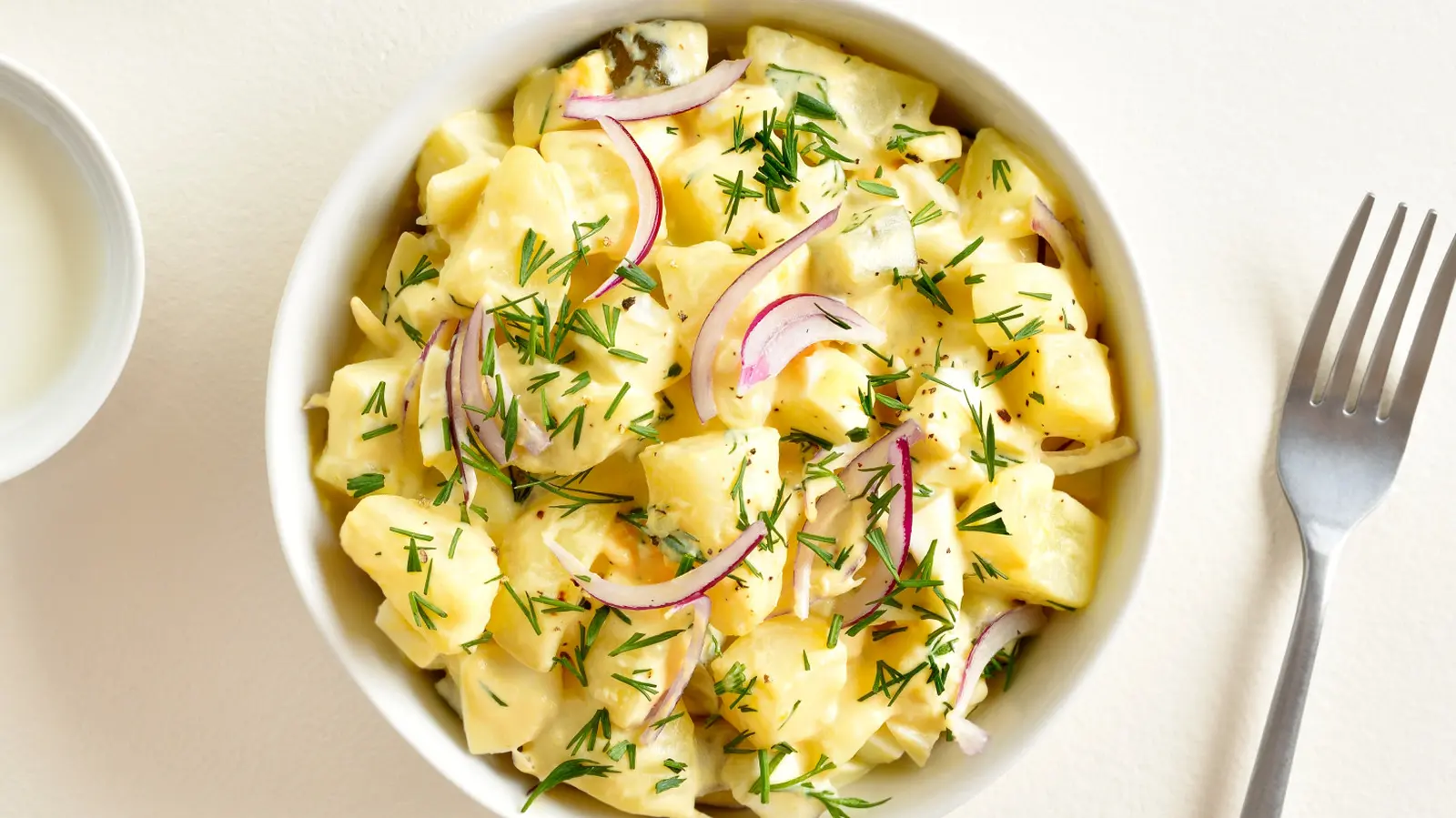
The Creamy Addition Your Potato Salad Needs Will Pack A Major Texture (And Protein) Boost
How Much Protein Are You Really Adding?
Potato salad, a classic dish often served at summer barbecues and picnics, can be enjoyed year-round with a simple upgrade. Adding a creamy ingredient not only enhances texture but also significantly increases protein content. This easy tweak transforms a familiar side into a more satisfying and nutritious option for any meal.
Latest news
 The Ultimate Homemade Chili Recipe for Cold Weather
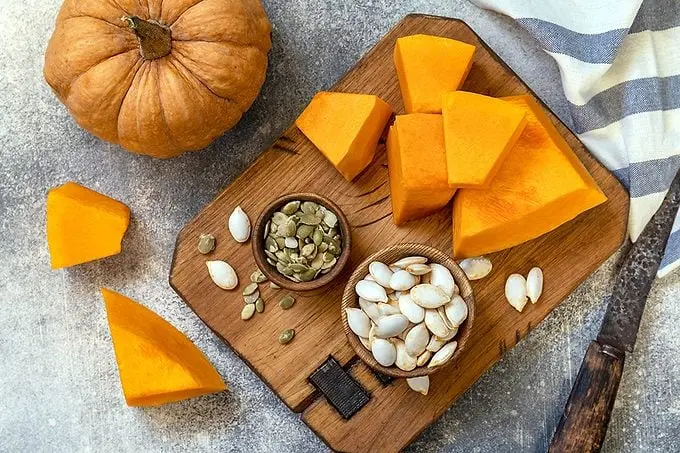 The Nutritional Power of Pumpkin Beyond Seasonal Desserts
 A Culinary Journey Through the 30th Epcot International Food and Wine Festival
 Burger King Unleashes Hello Kitty Kids' Meal with Ultra-Rare Golden Collectible
The secret lies in incorporating Greek yogurt or cottage cheese into the salad. These dairy additions replace some or all of the mayonnaise, providing a tangy creaminess while boosting protein. Greek yogurt, in particular, offers nearly double the protein of regular yogurt with a thick consistency that blends well. Cottage cheese adds a subtle curd texture and mild flavor, making it ideal for those who prefer a less tangy profile. Both options reduce fat content compared to traditional mayo-based versions.
A half-cup serving of plain Greek yogurt contributes about 10 grams of protein, while the same amount of low-fat cottage cheese adds roughly 14 grams. When mixed into a standard potato salad recipe, this can increase the protein per serving by 5 to 7 grams compared to versions made solely with mayonnaise. Nutritionists note that this addition helps balance the meal, especially when potato salad is served alongside grilled meats or as a main dish at outdoor gatherings. The creamy texture also helps bind the ingredients without making the salad heavy.
Yes, but in a positive way for many palates. Greek yogurt introduces a slight tang that complements the acidity of vinegar or mustard commonly used in potato salad dressings. Cottage cheese, when blended smoothly, adds a mild dairy richness without overpowering other flavors. Chefs recommend starting with a 50/50 mix of yogurt and mayo or using cottage cheese blended until smooth to maintain familiarity while testing the change. Herbs like dill, chives, or parsley pair exceptionally well with these dairy bases, enhancing freshness.
Can This Change Affect the Taste?
The result is a potato salad that holds up better in warm weather, resists separation, and delivers more sustained energy due to its higher protein content. This simple adjustment makes the dish more versatile for lunches, potlucks, or light dinners, proving that a small change in ingredients can lead to a meaningful improvement in both nutrition and enjoyment. Frequently Asked Questions Will Greek yogurt make the potato salad taste sour? Not if balanced properly. Start with a small amount and adjust to taste, pairing it with sweet relish or a touch of sugar if needed to offset tanginess.
Can I use flavored yogurt instead of plain? It’s best to avoid flavored varieties as they often contain added sugar and artificial ingredients that can clash with the savory profile of potato salad.
Does cottage cheese need to be drained before use? Yes, draining excess liquid prevents the salad from becoming watery. Blend it smooth for a uniform texture or leave small curds for added bite.
Content written by Tasting Table for fancy-meals.com editorial team, AI-assisted.