
Give Mac And Cheese A Protein Boost With This Unexpected Addition To The Sauce
This method works particularly well in baked or stovetop versions
Macaroni and cheese remains a beloved comfort food enjoyed by many, whether prepared from a box or crafted from scratch. While cheese naturally contains some protein, home cooks seeking a heartier version can enhance the dish without relying on meat. A simple pantry staple offers an effective way to increase protein content directly in the sauce, transforming a classic side into a more satisfying meal. The unexpected ingredient is plain Greek yogurt, which blends smoothly into the cheese sauce to add creaminess and a significant protein boost. Unlike heavier additions that might alter texture or flavor, Greek yogurt integrates seamlessly when stirred in off the heat, preserving the sauce’s silky consistency.
Latest news
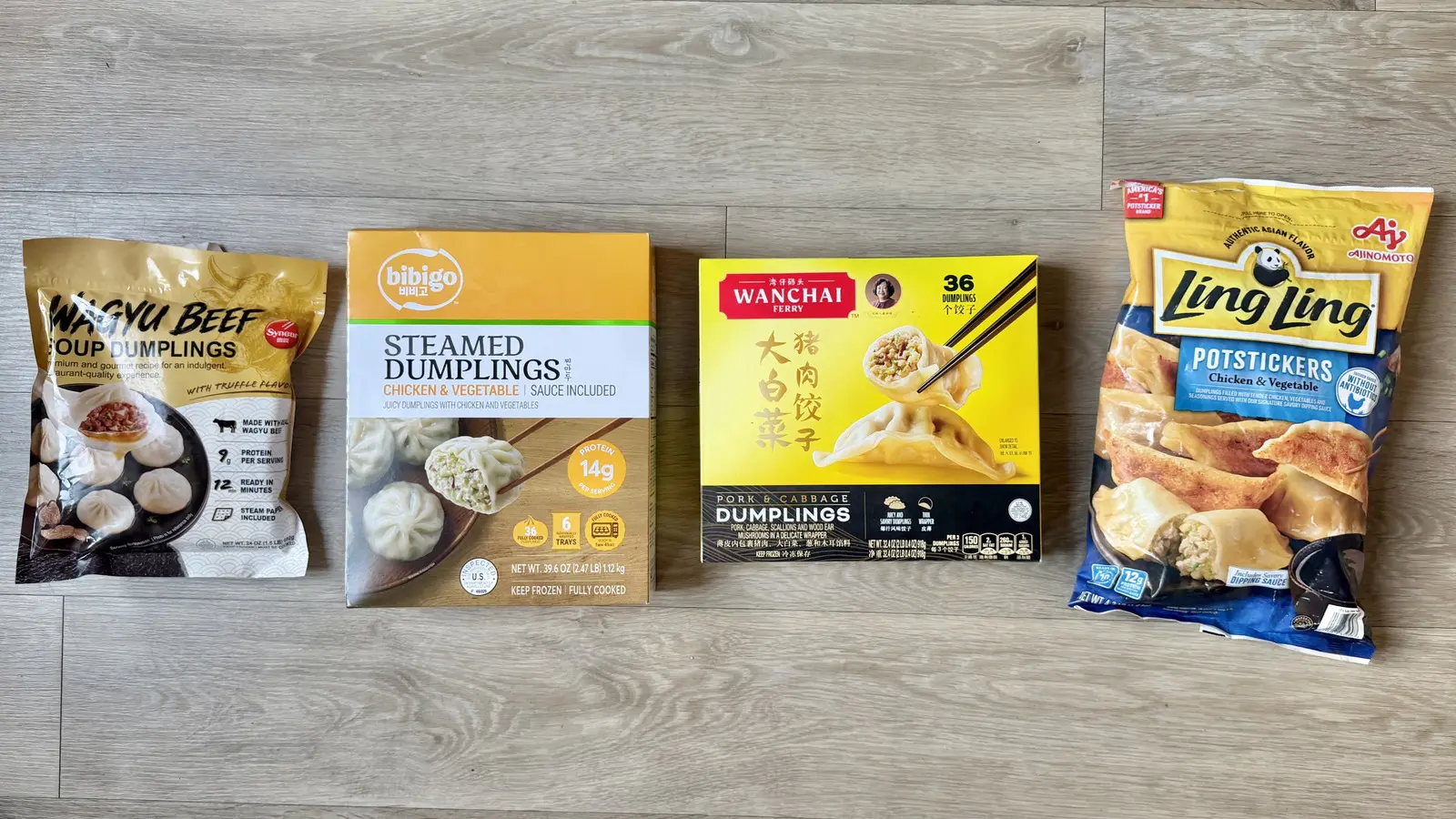 Costco's Frozen Dumpling Lineup, Ranked From Least To Most Tasty
 Best stainless-steel frying pans 2026: expert-tested picks for searing, eggs and daily cooking
 Trader Joe’s First‑Time Shopper Guide: Must‑Try Items
 Panda Express vs P.F. Chang's: Which Orange Chicken Is Healthier?
This method works particularly well in baked or stovetop versions, where the yogurt’s tang complements the richness of cheddar or Gruyère without overpowering it. How Much Protein Does Greek Yogurt Really Add A single cup of plain nonfat Greek yogurt contributes approximately 20 grams of protein, substantially increasing the nutritional profile of a standard mac and cheese serving. When incorporated into a recipe serving four, each portion gains an extra 5 grams of protein or more, depending on the amount used. This addition also introduces beneficial probiotics and calcium, offering functional benefits beyond basic protein enrichment. Can This Trick Work With Other Pasta Dishes The technique of using Greek yogurt to boost protein extends beyond mac and cheese, proving effective in dishes like baked ziti, lasagna, or even creamy pasta sauces such as Alfredo.
Its neutral yet slightly tangy flavor profile allows it to adapt to various
Its neutral yet slightly tangy flavor profile allows it to adapt to various cheese bases and seasonings, making it a versatile tool for home cooks aiming to improve meal nutrition without sacrificing comfort. Experimentation with different yogurt varieties, including low-fat or plant-based alternatives, can yield similar results while accommodating dietary preferences. Frequently Asked Questions Will adding Greek yogurt make the sauce taste sour? When used in moderation and mixed thoroughly into warm sauce, Greek yogurt adds a subtle tang that balances richness rather than creating sourness. Starting with a quarter cup per pound of pasta allows for adjustment based on taste. Can I use flavored yogurt instead of plain? Flavored yogurts often contain added sugars and artificial ingredients that can disrupt the sauce’s flavor and texture. Plain, unsweetened Greek yogurt is recommended for the best results in savory dishes. Does the yogurt curdle when heated?
To prevent curdling, remove the sauce from direct heat before stirring in the yogurt, then gently warm it over low temperature if needed. High heat can cause separation, so gradual incorporation is key.
Content written by Tasting Table for fancy-meals.com editorial team, AI-assisted.