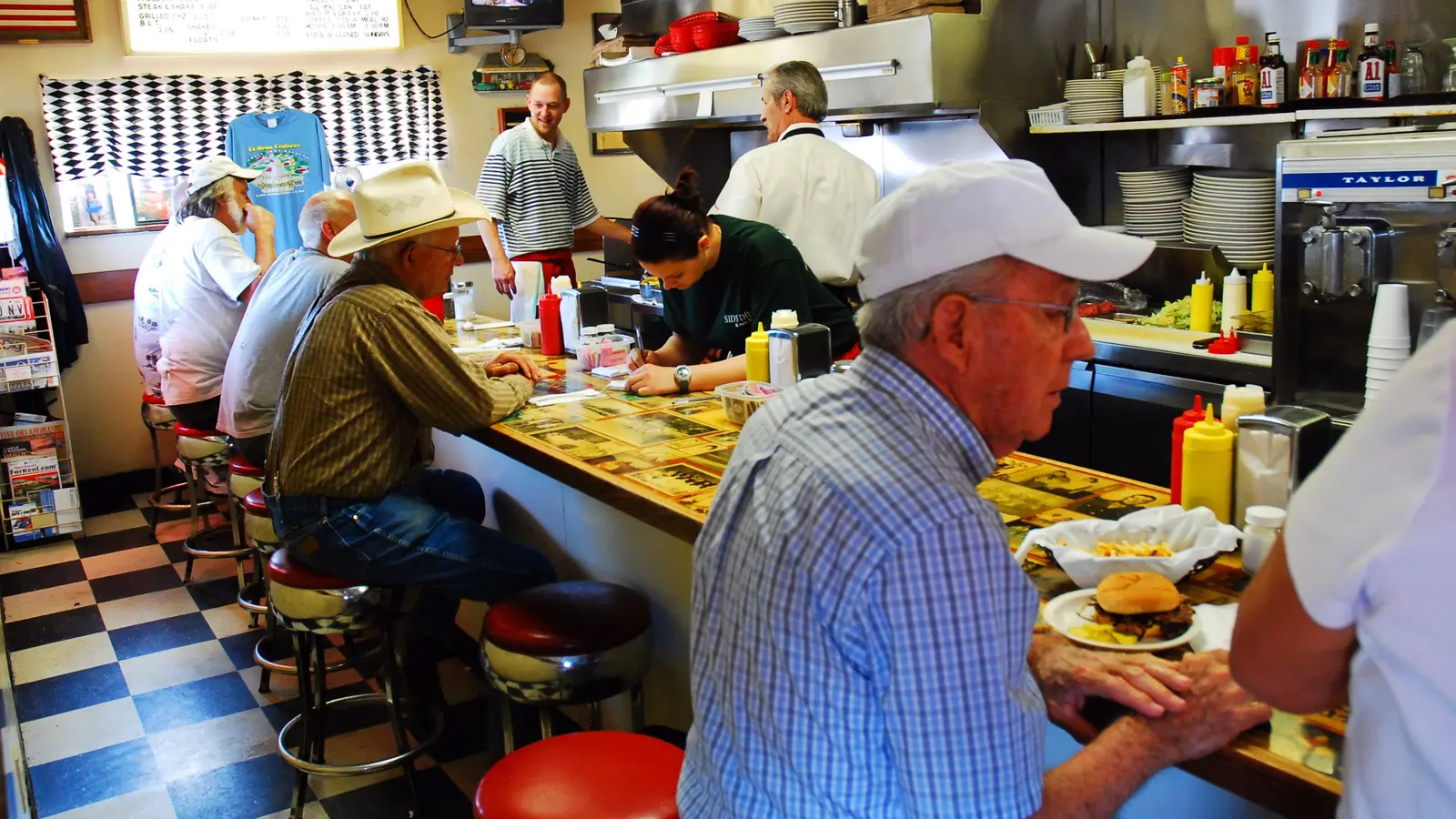
The Classic Southern Lunch Counter Dish Is Making a Comeback
From Counter to Culinary Trend: Why the Dish Resonates Now
A simple, low‑cost meal that once warmed diners across the Deep South is returning to menus this spring. The dish—traditionally a buttered biscuit topped with a fried egg, sliced ham, and a drizzle of gravy—originated in small-town lunch counters of the 1940s and is now being revived by chefs in Atlanta, Birmingham and New Orleans. Its resurgence coincides with a growing consumer appetite for comfort foods that are both nostalgic and affordable.
Latest news
 Moe's Southwest Grill Menu Items Ranked from Worst to Best
 Hot Honey Brussels Sprouts: A Sweet‑Spicy Side That Turns Heads
 Turn Your Pasta Sauce Into a Nutritional Powerhouse
 West Coast IPAs vs East Coast IPAs: A Flavor Battle Across the United States
The revival began when a handful of restaurateurs, inspired by family recipes, started featuring the dish on limited‑time menus earlier this year. Food historians note that the original version was a practical solution for workers needing a quick, hearty bite during midday breaks. Its ingredients—flour, eggs, pork, and a basic roux—were cheap and readily available during wartime rationing, which helped the dish spread across the region. Today, chefs are modernizing the classic by using heritage grain biscuits, locally sourced pork, and spiced gravies, while still preserving the comforting simplicity that made it a staple for generations.
The renewed interest reflects broader trends in American dining. Consumers are gravitating toward dishes that evoke a sense of place and history, especially as inflation pushes diners toward budget‑friendly options. „People want food that tells a story without breaking the bank,” says culinary director Maya Patel of a popular Atlanta eatery that reintroduced the dish last month. Sales data from the Southern Food Association show a 22 % increase in orders for traditional lunch‑counter items during the first quarter of 2026.
Can This Nostalgic Plate Sustain Its Popularity?
Local producers are also benefiting. Small‑scale flour mills in Tennessee report a surge in orders for stone‑ground flour, while pork farms in Arkansas see higher demand for heritage ham cuts. The dish’s revival is creating a ripple effect that supports regional agriculture and keeps culinary traditions alive.
Critics wonder whether the comeback is a fleeting fad or a lasting shift. Some diners worry that upscale reinterpretations could price the dish out of reach for the working families who first popularized it. „If restaurants start charging $15 for a biscuit and gravy, we lose the original spirit,” notes longtime Birmingham resident and former lunch‑counter employee, Carl Jenkins.
However, many establishments are committing to price points that mirror the dish’s historic affordability, often offering it as a breakfast special for under $8. Community groups in New Orleans have organized pop‑up events where volunteers serve the classic version for free, reinforcing its role as a communal staple. These efforts suggest that the dish could maintain relevance if chefs balance innovation with accessibility.
The resurgence of this regional favorite underscores a broader movement toward culinary heritage and economic practicality. As more diners seek comfort in familiar flavors, the humble lunch‑counter plate may secure a permanent spot on modern menus, bridging past and present while supporting local economies.
Frequently Asked Questions
What are the core ingredients of the traditional lunch‑counter dish? The classic version consists of a buttered biscuit, a fried egg, a slice of ham, and a light brown gravy made from pan drippings and flour.
How are modern chefs updating the recipe? Chefs are using heritage grain biscuits, heritage‑breed pork, and adding spices like smoked paprika or cayenne to the gravy, while keeping the overall flavor profile familiar.
Is the dish affordable for everyday diners? Many restaurants price the dish between $6 and $8, aiming to preserve its original low‑cost appeal despite occasional upscale variations.
Content written by Victoria Lane for fancy-meals.com editorial team, AI-assisted.