The Best Diner Breakfast In Every Major US Region
What Makes a Diner Breakfast Stand Out Across the Country
From coast to coast, diners serve up classic American breakfasts that reflect local tastes and traditions. These beloved spots offer hearty meals in welcoming settings, drawing regulars and travelers alike. Whether it’s fluffy pancakes, sizzling bacon, or regional specialties, each diner brings something unique to the morning table.
Latest news
 Moe's Southwest Grill Menu Items Ranked from Worst to Best
 Hot Honey Brussels Sprouts: A Sweet‑Spicy Side That Turns Heads
 Turn Your Pasta Sauce Into a Nutritional Powerhouse
 West Coast IPAs vs East Coast IPAs: A Flavor Battle Across the United States
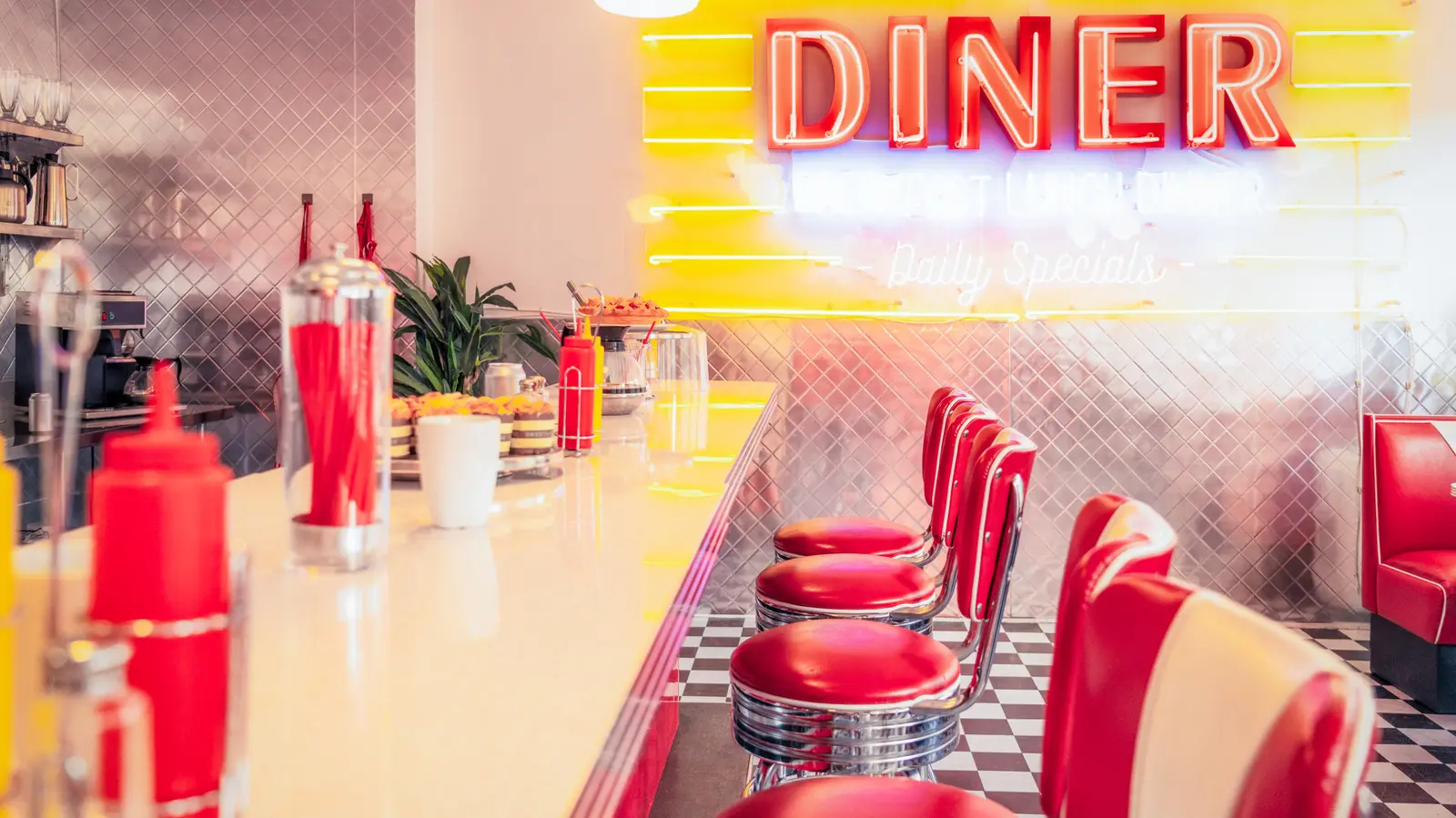
Diner breakfasts thrive on simplicity and consistency, featuring eggs cooked to order, crispy hash browns, and bottomless coffee. Many establishments rotate daily specials while keeping staples like meatloaf omelets or blueberry pancakes on the menu. The counter seating and retro decor create a nostalgic atmosphere that encourages lingering over meals. Friendly service remains a hallmark, with staff often knowing regulars by name and their usual orders. These elements combine to make diners more than just places to eat—they’re community hubs where mornings begin with comfort and familiarity.
How Regional Flavors Shape Morning Menus
In the Northeast, diners often serve corned beef hash and homemade baked beans alongside eggs. Southern spots favor biscuits and gravy, grits, and sweet tea as breakfast staples. Midwest menus highlight farm-fresh ingredients, with sausage gravy over biscuits and cherry-stuffed French toast common in states like Wisconsin and Michigan. Western diners incorporate Mexican influences, offering huevos rancheros and breakfast burritos with green chile. Pacific Northwest locations emphasize fresh berries in pancakes and locally roasted coffee. These variations show how diners adapt national classics to local palates while maintaining their core identity.
Why Do Diners Remain Popular Despite Changing Eating Habits
Despite the rise of fast-casual chains and health-focused cafes, diners continue to attract customers seeking authentic, affordable meals. Their 24-hour availability appeals to shift workers, late-night crowds, and early risers. The predictable quality and generous portions provide value that resonates across economic shifts. Many diners have updated menus to include lighter options like egg white omelets or oatmeal, yet they retain the classic dishes that define them. This balance of tradition and modest adaptation helps them endure in evolving food landscapes.
Independent diners encounter rising food costs, staffing shortages, and competition from franchised chains. Some struggle to maintain historic buildings while meeting modern accessibility standards. Others face pressure from delivery apps that favor faster-prep items over traditional grill fare. Yet, loyal customer bases and community support often help them persevere. Owners frequently cite multigenerational patronage as a key reason for keeping their doors open, emphasizing emotional connections over pure profitability.
What Challenges Do Independent Diners Face Today
What defines a traditional American diner breakfast? A traditional diner breakfast includes eggs, potatoes, toast or biscuits, meat like bacon or sausage, and coffee, often served with friendly, prompt service.
Frequently Asked Questions
How do diner breakfast prices compare to other restaurants? Diner breakfasts are generally more affordable than café or hotel options, offering larger portions at lower prices due to high-volume, simple preparation.
Can you find healthy choices at classic diners? Yes, many diners now offer oatmeal, fresh fruit, yogurt parfaits, and egg-white dishes alongside traditional fare to accommodate varied dietary preferences.
Content written by Victoria Lane for fancy-meals.com editorial team, AI-assisted.