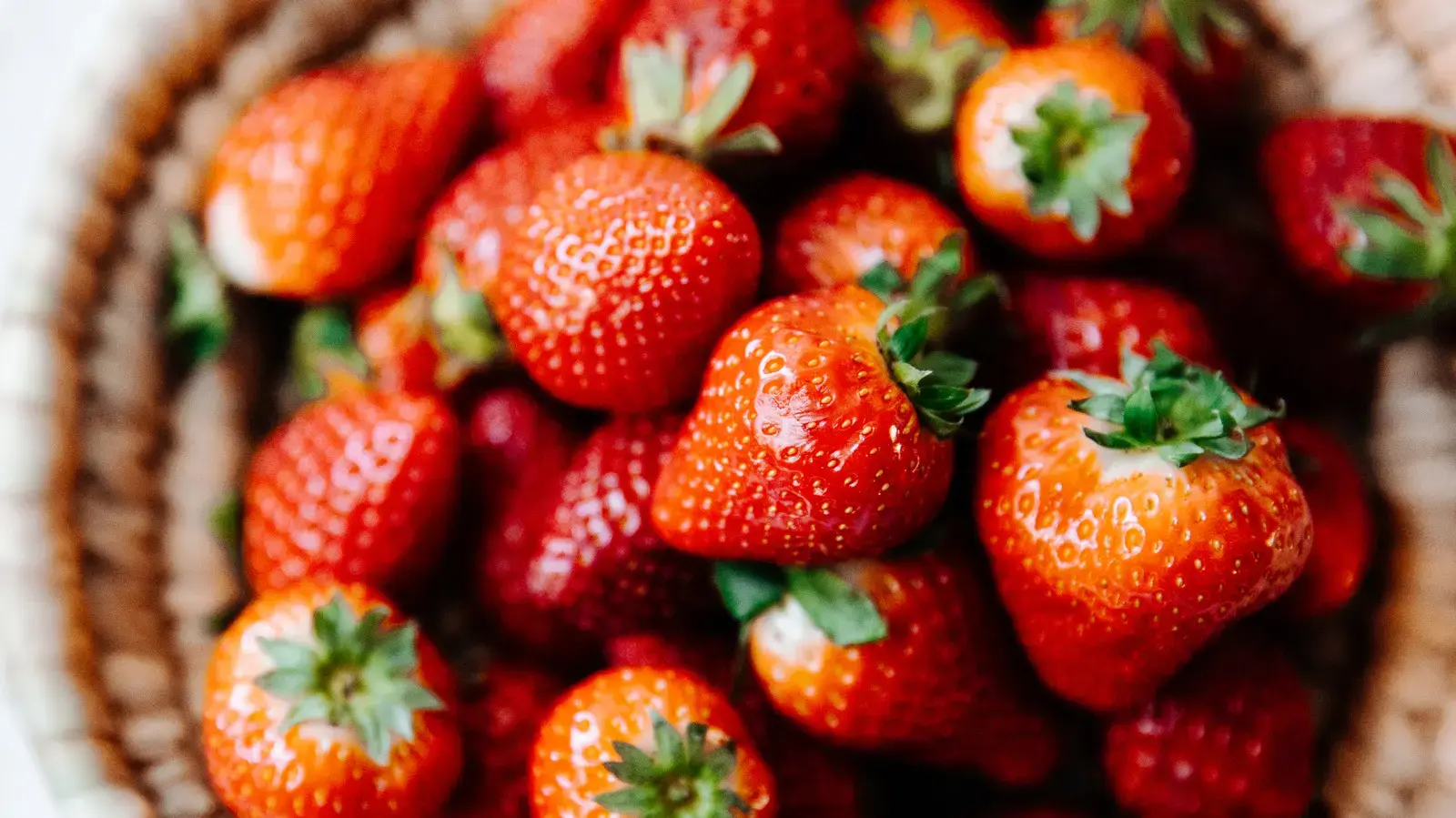
Strawberries Taste 10X Sweeter When Drizzled With This Pantry Staple
Why Acid Enhances Sweetness Perception
In September 2026, food enthusiasts discovered a simple kitchen trick that dramatically enhances the natural sweetness of fresh strawberries. By drizzling a common pantry ingredient over ripe berries, the flavor profile intensifies significantly without added sugar. This method works best with locally sourced, in-season fruit at peak ripeness. The technique requires no special equipment or culinary expertise, making it accessible to home cooks everywhere. It transforms an already delightful snack into a more indulgent experience using only one extra ingredient.
Latest news
 Moe's Southwest Grill Menu Items Ranked from Worst to Best
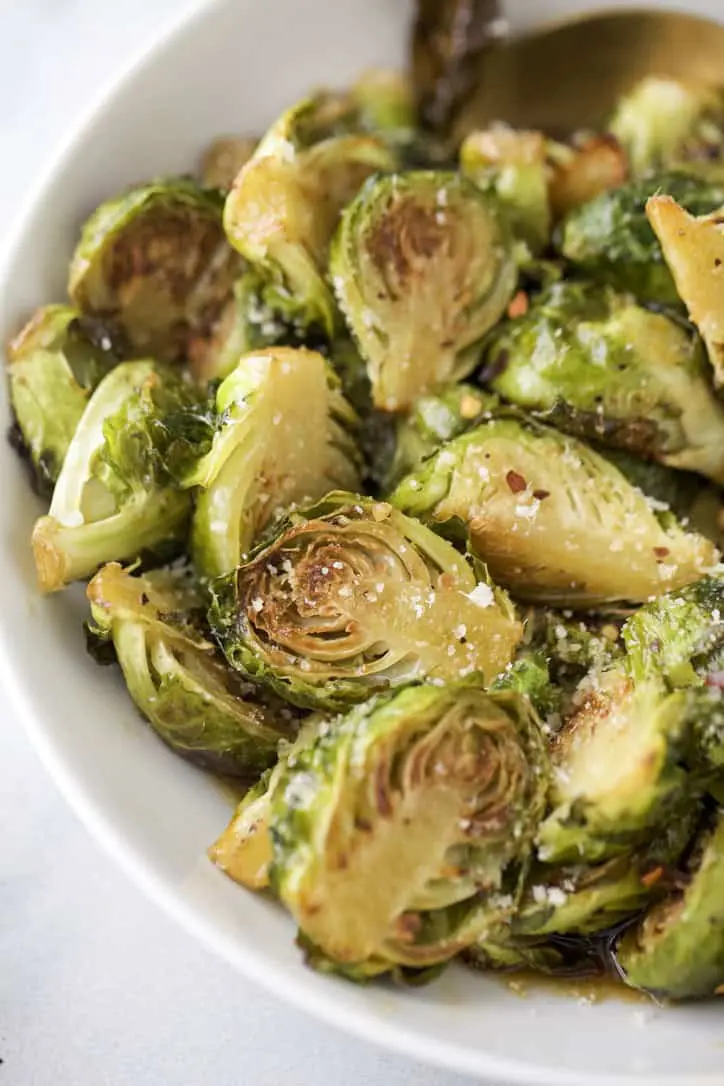 Hot Honey Brussels Sprouts: A Sweet‑Spicy Side That Turns Heads
 Turn Your Pasta Sauce Into a Nutritional Powerhouse
 West Coast IPAs vs East Coast IPAs: A Flavor Battle Across the United States
The secret lies in balancing acidity to amplify perceived sweetness on the palate. A light drizzle of balsamic vinegar triggers a chemical reaction that reduces tartness and highlights the fruit’s natural sugars. Culinary experts note that aged balsamic, with its syrupy consistency and complex notes, yields the most pronounced effect. Just a few drops per serving are sufficient—too much can overwhelm the delicate berry flavor. This approach aligns with professional plating techniques used in high-end desserts where contrast enhances taste perception. Home testers reported the treated strawberries tasted up to ten times sweeter than untreated ones in blind comparisons.
How Much Should You Really Use?
The interaction between acetic acid in balsamic vinegar and fructose in strawberries suppresses sour receptors on the tongue. This allows sweet receptors to dominate the flavor signal sent to the brain. Food scientists explain that this contrast effect is similar to how salt enhances sweetness in chocolate or caramel. The viscosity of aged balsamic also helps it cling to the fruit’s surface, prolonging the taste experience. Unlike adding sugar, this method doesn’t increase calorie content significantly. It also introduces subtle fruity and woody undertones from the vinegar’s aging process in wooden barrels. Chefs recommend experimenting with different vinegar ages to find preferred intensity levels.
Frequently Asked Questions
Overapplication risks creating a sharp, unpleasant aftertaste that masks the strawberry’s freshness. Culinary trials show that exceeding half a teaspoon per cup of berries diminishes the desired effect. The ideal ratio starts at one drop per large strawberry, adjusted to personal preference. Temperature matters too—chilled berries respond better to the treatment than those at room temperature. Some home cooks prefer to toss the berries gently after drizzling to ensure even coating. Others serve the vinegar on the side for dipping, preserving texture contrast. Timing is crucial; applying the vinegar too far in advance can begin to break down the fruit’s delicate flesh.
Does this work with frozen strawberries? Frozen berries release excess water when thawed, which dilutes the vinegar and reduces effectiveness—fresh is strongly recommended. Can I substitute other vinegars? White or apple cider vinegar lack the depth and sweetness of aged balsamic and may produce harsh results. Is there a risk of curdling if served with dairy? No, the small quantity used won’t affect cream or yogurt when served alongside, though mixing directly is not advised.
Content written by [email protected] (Sean Bell) for fancy-meals.com editorial team, AI-assisted.