Steam Trick Revives Stubborn Bundt Pan, Home Cooks Celebrate
How the Steam Method Works
A home baker in Chicago reported a surprising breakthrough on June 4, 2026. After weeks of battling a warped, non‑stick Bundt pan, she applied a simple steam technique and finally coaxed the cake free without damage. The experiment, shared on a popular cooking forum, attracted immediate attention from amateur chefs nationwide.
Latest news
 Costco's Frozen Dumpling Lineup, Ranked From Least To Most Tasty
 Best stainless-steel frying pans 2026: expert-tested picks for searing, eggs and daily cooking
 Trader Joe’s First‑Time Shopper Guide: Must‑Try Items
 Panda Express vs P.F. Chang's: Which Orange Chicken Is Healthier?
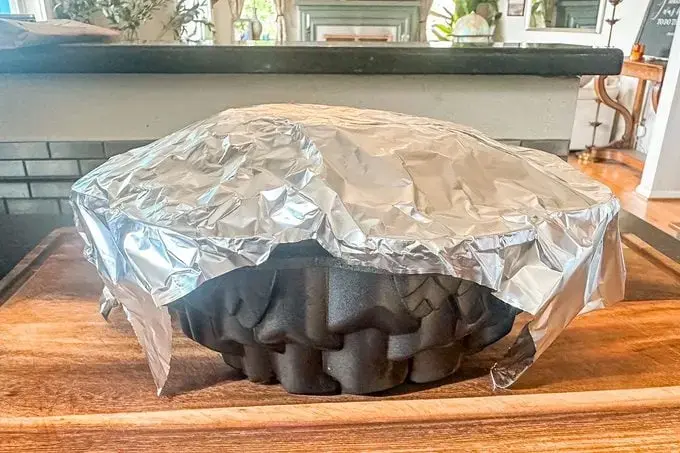
The method involves placing a shallow pan of water in the oven while the Bundt cake bakes, then covering the pan with a foil tent after the timer dings. The trapped steam loosens the batter’s grip on the pan’s ridges, allowing the cake to release cleanly. The baker, Lindsay Parrill, explained that the trick works by creating a humid micro‑environment that expands the metal slightly, reducing the suction that often traps baked goods. She noted that the technique required no special equipment—just a metal rack and a few inches of water.
Parrill set her oven to 350 °F and positioned a metal rack on the lowest rack. She filled a disposable aluminum tray with two inches of water and placed it directly beneath the Bundt pan. After the cake baked for 45 minutes, she turned off the heat, closed the oven door, and let the steam linger for ten minutes. When she removed the foil tent, the cake slid out effortlessly, leaving the pan spotless. „I was skeptical at first,” she said, „but the steam softened the batter’s adhesion, and the cake came out perfectly smooth.” Kitchen scientists confirm that steam can cause metal to expand by up to 0.001 inches, enough to break the vacuum seal that often clings to intricate bakeware.
Can the Steam Trick Save Other Stubborn Bakeware?
The success with the Bundt pan has sparked curiosity about broader applications. Experts suggest the same principle could aid in releasing brownies from deep dishes, unclogging sticky muffin tins, and even reviving hardened pie crusts. „Any bakeware that relies on a tight seal can benefit from a brief steam burst,” noted culinary engineer Dr. Maya Alvarez. She warned, however, that the technique should be used sparingly, as excessive moisture may affect the texture of delicate pastries. Home bakers are encouraged to experiment with small batches before applying the method to larger recipes.
The steam trick promises to reduce waste and frustration in home kitchens. As more cooks adopt the approach, manufacturers may see a decline in complaints about non‑stick failures. Future research could refine the optimal water volume and timing for different oven models, turning a simple kitchen hack into a standard baking protocol.
Frequently Asked Questions
What type of water should I use for the steam trick? Tap water works fine; the goal is to generate steam, not to add flavor. Ensure the water level stays below the rack to avoid spilling.
Will the steam affect the cake’s texture? A brief steam period usually leaves the crumb unchanged. If you notice sogginess, reduce the steam time by a few minutes.
Can I use this method with silicone or glass pans? Yes, the technique is safe for silicone and glass, though the expansion effect is less pronounced. Adjust the water amount accordingly.
Content written by Henry Cross for fancy-meals.com editorial team, AI-assisted.