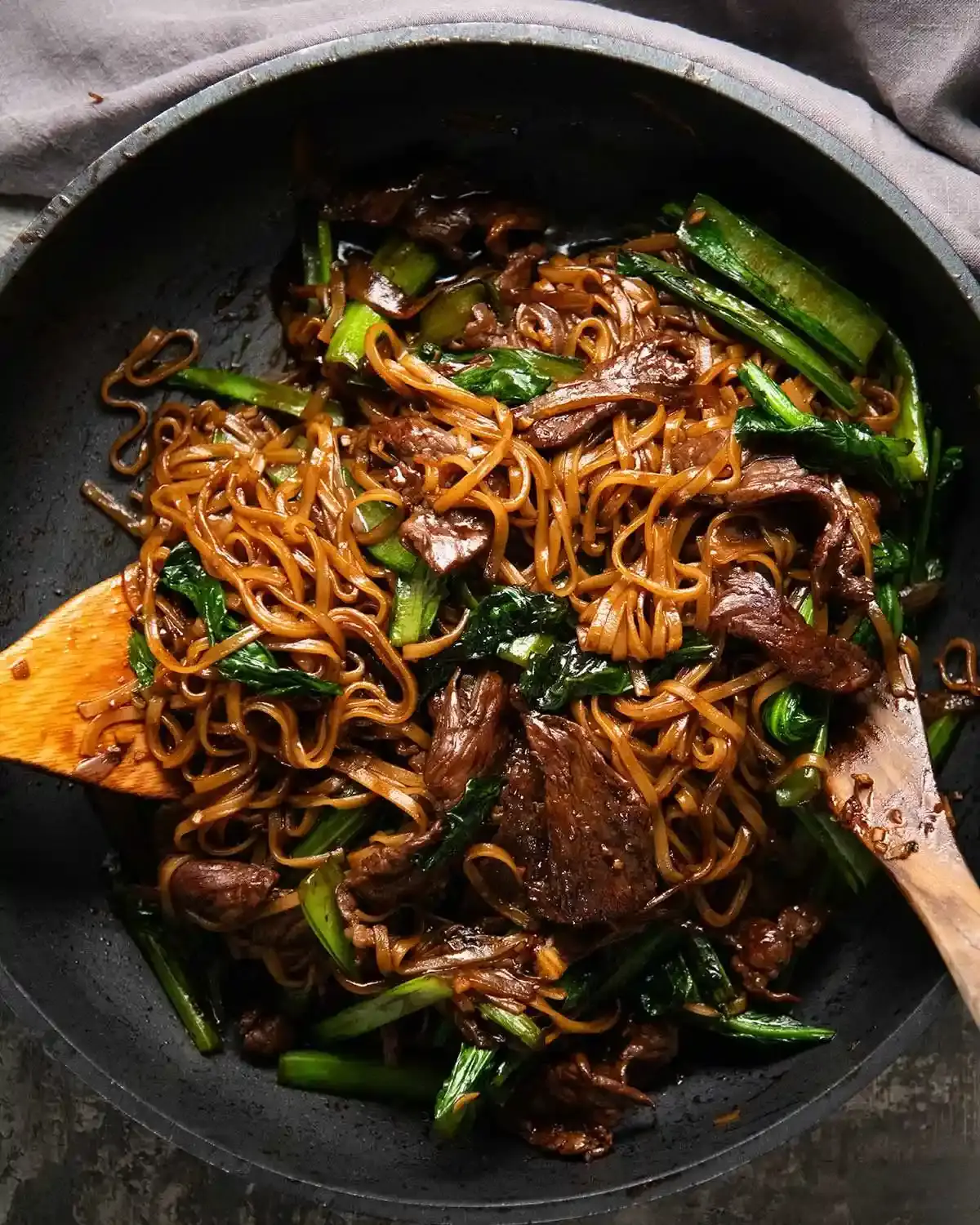
Quick Beef Rice Noodle Stir‑Fry Wins Over Home Cooks
A Simple Technique for Tender Beef
On August 17, 2026, food writer Nagi Maehashi shared a fast‑track beef rice noodle stir‑fry on a popular cooking platform. The recipe promises juicy beef pieces, softened by a quick marination, paired with silky rice noodles. It targets busy families and novice cooks seeking a satisfying dinner in under thirty minutes.
Latest news
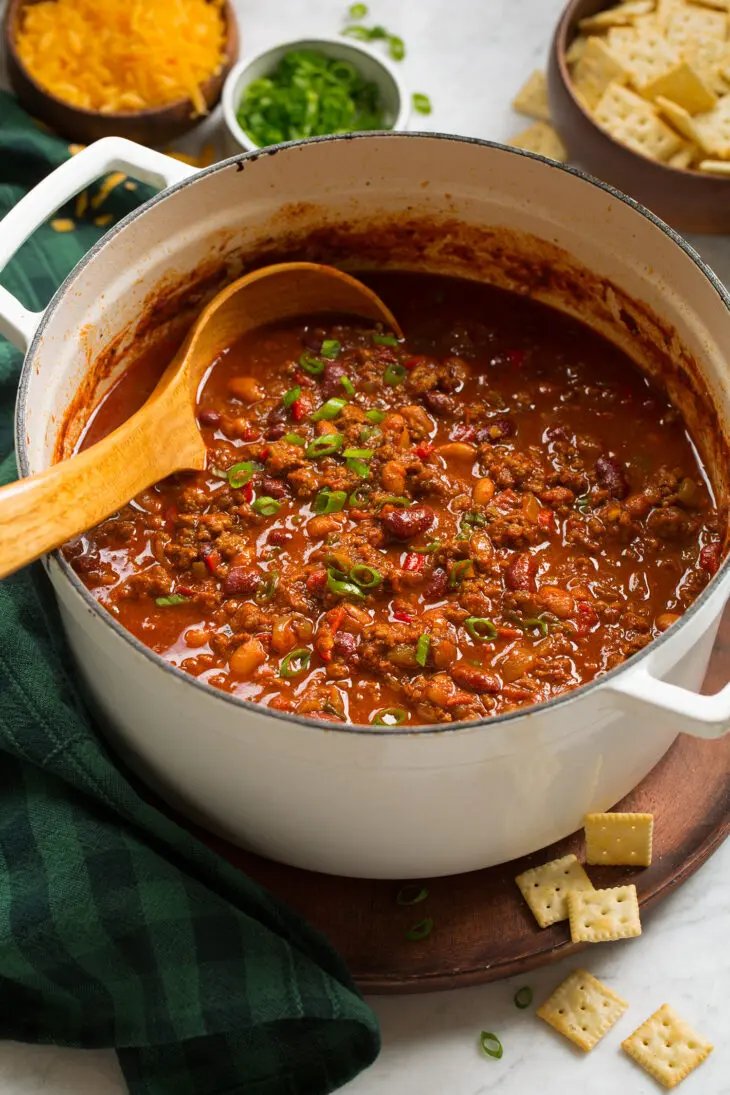 The Ultimate Homemade Chili Recipe for Cold Weather
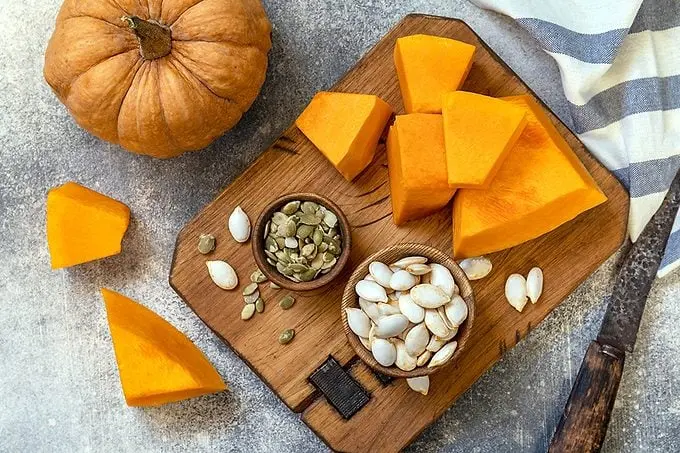 The Nutritional Power of Pumpkin Beyond Seasonal Desserts
 A Culinary Journey Through the 30th Epcot International Food and Wine Festival
 Burger King Unleashes Hello Kitty Kids' Meal with Ultra-Rare Golden Collectible
Maehashi’s method relies on thinly sliced flank steak, a brief soy‑ginger soak, and a scorching wok. The noodles absorb the savory broth, while the beef stays tender thanks to a brief high‑heat sear. The dish balances umami, a hint of sweetness, and a dash of heat, making it a crowd‑pleaser for weekday meals.
The secret lies in the brief marination and the „flash‑cook” step. Maehashi advises mixing thin beef strips with soy sauce, minced garlic, and a splash of rice vinegar for just five minutes. This quick acid bath begins breaking down muscle fibers, ensuring the meat stays soft. When the wok reaches a smoking temperature, the beef hits the surface for no more than ninety seconds. The rapid sear locks in juices and creates a caramelized exterior without overcooking the interior.
Can Home Cooks Achieve Restaurant‑Level Texture?
Maehashi notes, „The key is timing. Too long in the pan and the beef toughens; too short and it lacks flavor.” She recommends using a high‑smoke‑point oil, such as peanut or grapeseed, to achieve a clean, crisp finish. The rice noodles, pre‑soaked in warm water, are added last, tossed briefly, and finished with a drizzle of sesame oil and chopped scallions.
Many wonder whether a kitchen novice can replicate the restaurant‑style bite. The answer is yes, provided the steps are followed precisely. The thin cut of meat reduces cooking time, while the acid‑based marinade mimics the tenderizing effect of professional chefs’ aging processes. Additionally, the wok’s intense heat mimics the high‑temperature blast of commercial stir‑fry stations, delivering a similar sear.
Cooking enthusiasts report that the recipe’s simplicity encourages experimentation. Some add sliced bell peppers or bean sprouts for extra crunch, while others swap beef for pork or chicken, adapting the technique to different proteins. The flexibility has sparked a wave of user‑generated variations across social media, reinforcing the dish’s status as a versatile staple.
The stir‑fry’s popularity signals a growing appetite for fast, flavorful meals that require minimal prep. As more home cooks adopt the method, the line between restaurant and kitchen quality continues to blur. Future trends may see similar quick‑marinate, high‑heat techniques applied to other proteins, expanding the repertoire of effortless gourmet dishes.
Frequently Asked Questions
What cut of beef works best for this stir‑fry? Thinly sliced flank or sirloin works best because it cooks quickly and stays tender when flash‑seared.
Do I need a wok, or can I use a regular skillet? A wok is ideal for high heat and even cooking, but a large, heavy skillet can substitute if it reaches a smoking temperature.
Can I prepare the noodles ahead of time? Yes, soak the rice noodles in warm water for 10‑12 minutes, drain, and keep them covered until ready to stir‑fry.
Content written by Henry Cross for fancy-meals.com editorial team, AI-assisted.