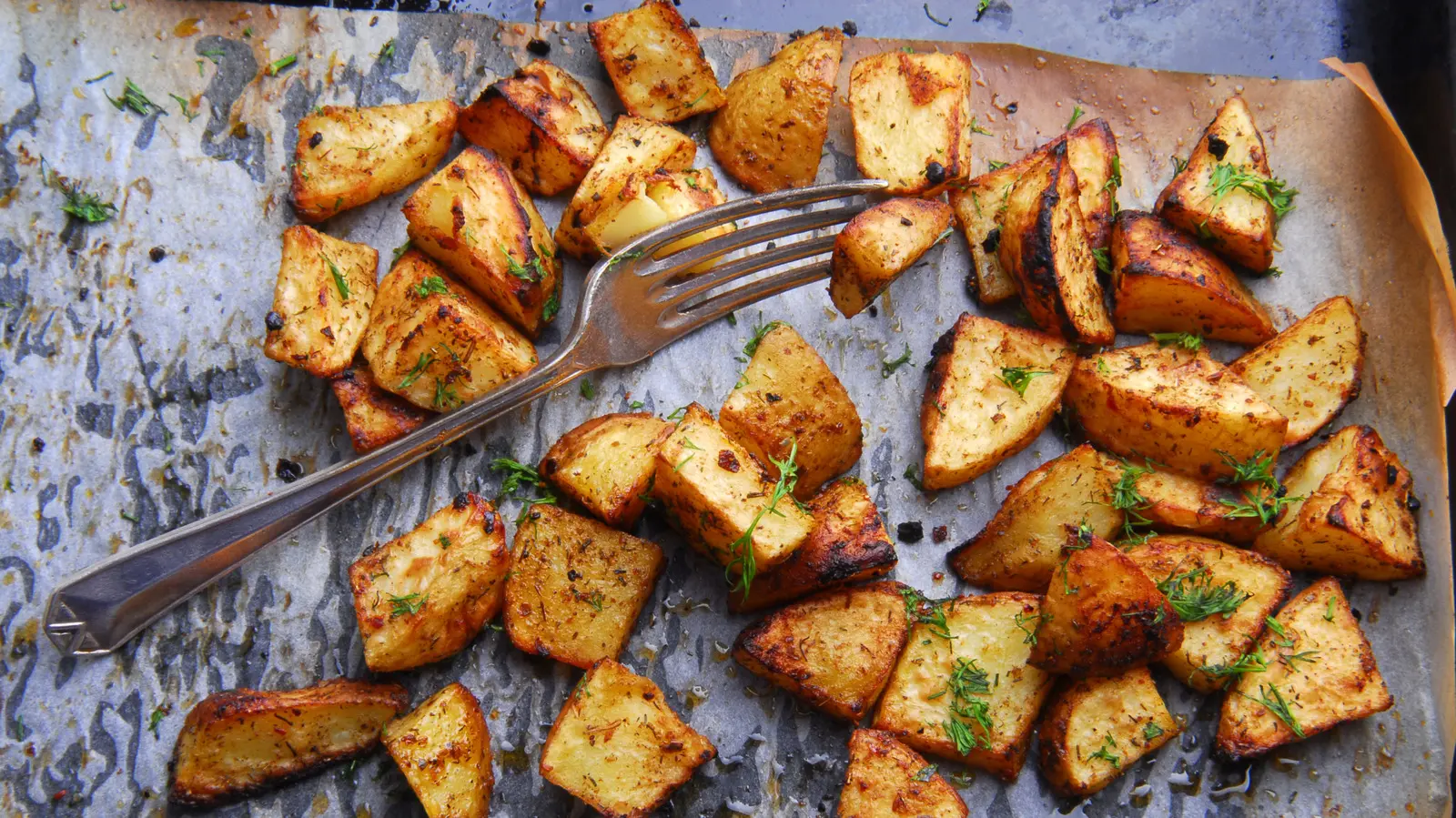
Skip The Butter: This Secret Fat Makes Roasted Potatoes Taste Better
Why Standard Fats Fall Short
Home cooks seeking superior roasted potatoes should look beyond standard fats like olive oil or butter. A specific alternative ingredient is emerging as the key to achieving exceptional flavor and texture. This method applies to various potato cuts, including halves, wedges, cubes, and thin slices. The goal is to create a side dish that stands out from typical preparations.
Latest news
 Moe's Southwest Grill Menu Items Ranked from Worst to Best
 Hot Honey Brussels Sprouts: A Sweet‑Spicy Side That Turns Heads
 Turn Your Pasta Sauce Into a Nutritional Powerhouse
 West Coast IPAs vs East Coast IPAs: A Flavor Battle Across the United States
Most home kitchens rely heavily on olive oil or butter for roasting vegetables. While these options are convenient, they often fail to deliver the perfect balance of crispness and depth. Olive oil can burn at high temperatures, leading to a bitter taste. Butter, though rich, tends to brown quickly and lacks the structural integrity needed for a truly shatter-crisp exterior. Consequently, many roasted potato dishes remain soft or greasy rather than achieving that coveted golden crunch. The new approach addresses these common culinary frustrations directly.
The recommended ingredient offers a higher smoke point and distinct flavor profile. It coats the potato surfaces evenly, allowing heat to penetrate without scorching the exterior. This results in a lighter, airier texture compared to heavy butter-based preparations. Chefs note that this fat enhances the natural starches in the potato, creating a complex mouthfeel. It does not overpower the vegetable but amplifies its inherent qualities.
How To Achieve The Perfect Crisp Texture
To execute this technique, start by cutting potatoes into uniform pieces. Consistent sizing ensures even cooking throughout the batch. Toss the cut potatoes thoroughly with the chosen fat before placing them on a preheated baking sheet. Spacing is critical; overcrowding the pan creates steam, which prevents crisping. Allow the potatoes to roast undisturbed for the first half of the cooking time. This lets the exterior set and develop color.
After the initial period, flip the potatoes gently. This exposes the other sides to direct heat, ensuring uniform browning. The final product should feature a deep golden hue with a crisp shell. Inside, the flesh remains creamy and tender. This contrast between the crunchy exterior and soft interior defines a successful roast. Many food experts argue that this specific fat choice is the single most important variable in the recipe. It transforms a simple side dish into a memorable component of the meal.
Frequently Asked Questions
Can I substitute this fat with other oils? While other high-smoke-point oils work, they may lack the specific flavor depth of the recommended ingredient. The unique chemical composition of this fat provides a distinct savory note that neutral oils do not replicate.
Does this method work for all potato varieties? Yes, the technique is effective for russets, Yukon Golds, and red potatoes. However, starchy varieties like russets tend to yield the crispest results due to their lower moisture content.
How long should the potatoes rest after roasting? Let them sit for five minutes after removing them from the oven. This brief pause allows the internal structure to stabilize, preventing the crisp exterior from becoming soggy immediately upon serving.
Content written by [email protected] (Georgina Jedikovska) for fancy-meals.com editorial team, AI-assisted.