
Scrambled Eggs Get a Protein and Fiber Boost When You Add Canned Beans to the Mix
Kitchen Hack: The Science Behind Bean-Enhanced Eggs
Cooks everywhere are discovering how a simple pantry staple can transform basic scrambled eggs into a more substantial meal. The technique, gaining traction among home cooks, involves stirring a can of beans into eggs while they cook, creating a creamy texture and adding both protein and fiber without extra prep time.
Latest news
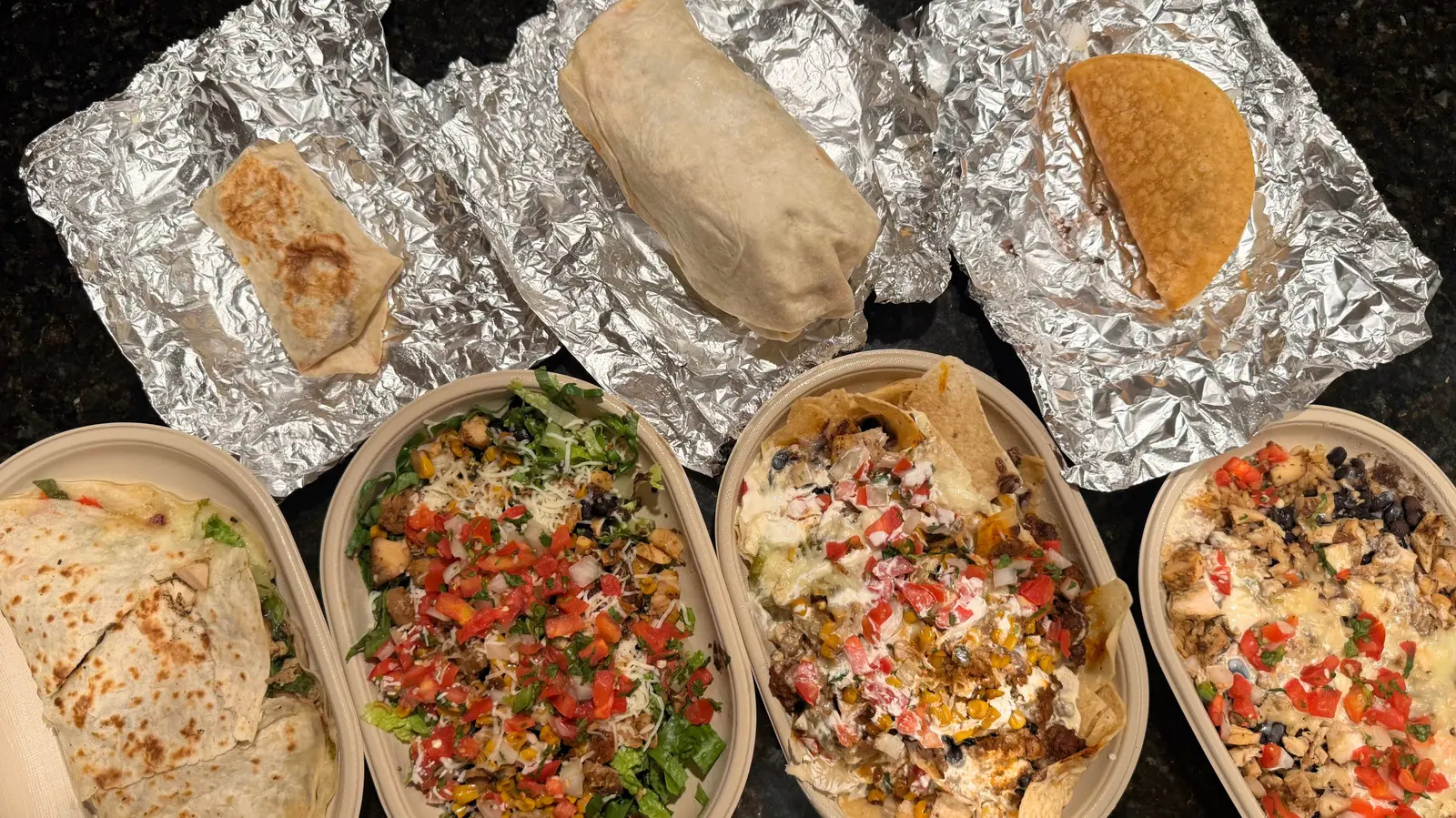 Moe's Southwest Grill Menu Items Ranked from Worst to Best
 Hot Honey Brussels Sprouts: A Sweet‑Spicy Side That Turns Heads
 Turn Your Pasta Sauce Into a Nutritional Powerhouse
 West Coast IPAs vs East Coast IPAs: A Flavor Battle Across the United States
The method works by leveraging the natural starch and moisture from canned beans to create a richer, more custard-like scramble. Chefs describe the process as a form of culinary collage, where combining simple ingredients produces unexpected depth. The beans break down slightly during cooking, thickening the eggs and creating a velvety consistency that rivals restaurant preparations.
The transformation happens because canned beans release starch as they warm through. This starch acts as a natural thickener, emulsifying with the egg proteins to create a creamy mouthfeel. Additionally, a standard 15-ounce can of cannellini or navy beans adds approximately 15 grams of protein and 12 grams of fiber to a four-egg serving, effectively doubling the nutritional value of the base dish.
Cooks report that the beans also absorb surrounding flavors, making the final product taste more complex without requiring additional seasonings. The technique works particularly well with mild-flavored beans that won't overpower the eggs' delicate taste.
Why This Pantry Staple Works Better Than Other Add-Ins
Unlike adding cheese or vegetables, which can release moisture and make eggs watery, canned beans maintain structural integrity during cooking. The low-sodium varieties allow for better control over the final dish's salt content, while pre-cooked beans eliminate the need for additional prep time that might interrupt egg cooking temperature.
Some home cooks worry that adding liquid from canned beans will make scrambled eggs runny. However, experienced cooks note that draining and patting beans dry before incorporation prevents this issue entirely. The key is high heat and constant stirring, which quickly evaporates any excess moisture while allowing the starches to activate.
Looking ahead, this technique represents a broader trend toward nutrient-dense breakfast solutions that don't require extra time or complicated ingredients. As consumers seek more plant-based protein options, combining legumes with eggs offers a versatile foundation that extends beyond morning meals into quick lunches or light dinners.
Can you use other types of canned beans for this method?
Yes, any canned bean works well, though texture varies. Black beans create a speckled appearance, while chickpeas offer a firmer bite. The key is choosing beans without added flavors that might clash with eggs.
Frequently Asked Questions
Should you drain the liquid from canned beans before adding them?
Absolutely. Draining and patting beans dry prevents watery scrambled eggs. Excess liquid can cool the pan and prevent proper egg setting, defeating the creamy texture goal.
How does this affect the cooking time for scrambled eggs?
Cooking time remains essentially the same, about 3-4 minutes total. The beans pre-cook during canning, so they only need heating through, which happens quickly alongside the eggs.
Content written by [email protected] (Hilary Wheelan Remley) for fancy-meals.com editorial team, AI-assisted.