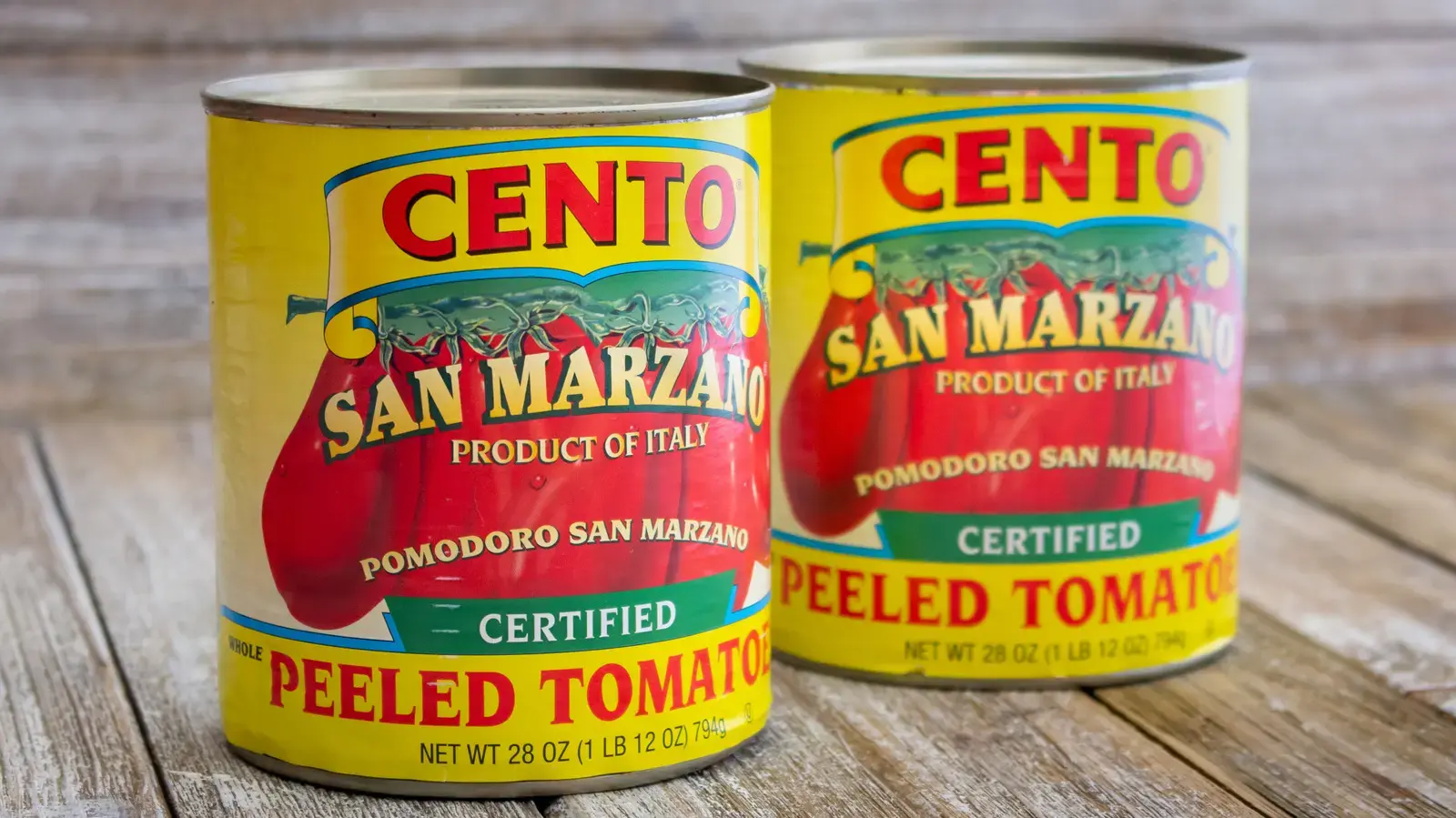
Say Goodbye To San Marzano Tomatoes — This Flavorful Alternative Has Home Cooks Saving Money
Why San Marzano Isn’t the Only Path to Great Sauce
For many home cooks and professional chefs, San Marzano tomatoes have long been considered the gold standard for making rich, authentic tomato sauce. Grown in the volcanic soil near Mount Vesuvius in Italy, these plum tomatoes are prized for their sweet flavor, low acidity, and thick flesh. However, their reputation often comes with a premium price tag that can strain household budgets, especially when preparing large batches of sauce for family meals or freezing.
Latest news
 Costco's Frozen Dumpling Lineup, Ranked From Least To Most Tasty
 Best stainless-steel frying pans 2026: expert-tested picks for searing, eggs and daily cooking
 Trader Joe’s First‑Time Shopper Guide: Must‑Try Items
 Panda Express vs P.F. Chang's: Which Orange Chicken Is Healthier?
A growing number of cooks are discovering that high-quality alternatives exist that deliver comparable taste and texture without the imported cost. Domestic plum tomatoes, particularly those grown in California or other warm U. S. regions, offer a similar profile when properly selected and prepared. By choosing ripe, in-season tomatoes or trusted canned varieties labeled for sauce-making, home cooks can achieve deep, savory results while cutting expenses significantly.
How Can Home Cooks Save Without Sacrificing Flavor?
While San Marzanos benefit from protected designation of origin status in the EU, their superiority is not absolute. Flavor in tomato sauce depends more on ripeness, preparation technique, and complementary ingredients than on geographic origin alone. Slow-cooking tomatoes with garlic, olive oil, and fresh basil allows natural sugars to caramelize and acids to mellow, creating complexity regardless of the tomato’s origin. Many blind taste tests have shown that seasoned cooks struggle to distinguish sauce made from premium domestic tomatoes from that made with imported San Marzanos when both are prepared with care.
The key lies in selection and method. Look for canned tomatoes labeled „whole peeled” or „for sauce” with no added calcium chloride, which can prevent proper breakdown during cooking. Opt for brands that list only tomatoes and possibly basil or citric acid as ingredients. Fresh tomatoes should be ripe but firm, ideally purchased at peak season from local farmers’ markets. Roasting them before saucing concentrates flavor and reduces water content, mimicking the dense texture of San Marzanos. Adding a pinch of sugar or a splash of balsamic vinegar can balance acidity if needed, though well-ripened tomatoes often require little adjustment.
Are San Marzano tomatoes truly better than other varieties? Not necessarily. While they have ideal traits for sauce, many domestic tomatoes offer comparable flavor when ripe and properly cooked. The difference often comes down to freshness and preparation rather than origin alone.
Frequently Asked Questions
Can I use regular canned tomatoes instead of San Marzanos? Yes, especially if they are whole peeled, packed in juice, and free of unnecessary additives. Simmering them slowly with aromatics yields excellent results for pasta, pizza, or stewed dishes.
Is it worth paying extra for imported San Marzanos? Only if you prefer their specific taste profile and value the authenticity label. For everyday cooking, especially in large quantities, high-quality domestic alternatives provide substantial savings without noticeable loss in quality.
Content written by Henry Cross for fancy-meals.com editorial team, AI-assisted.