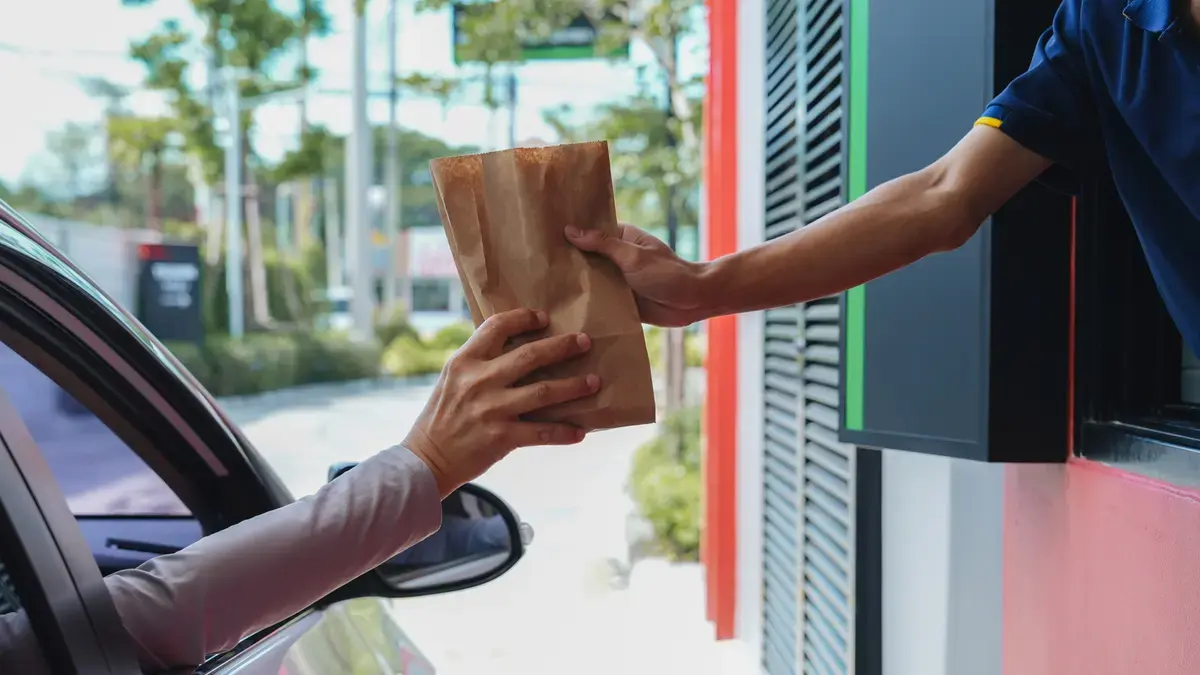
Grocery Hot Bars Provide Cheap, Flavorful Fast‑Food Alternative
Pay‑by‑Weight Hot Bars Offer a Tasty Alternative
A growing number of shoppers are turning to grocery‑store hot bars for quick meals that cost far less than traditional drive‑through fare. The trend, which began in early 2024, sees diners paying by the pound for freshly prepared dishes at supermarkets across the United States. By July 2026, the practice has spread to over 2,000 locations, offering a budget‑friendly answer to rising fast‑food prices.
Latest news
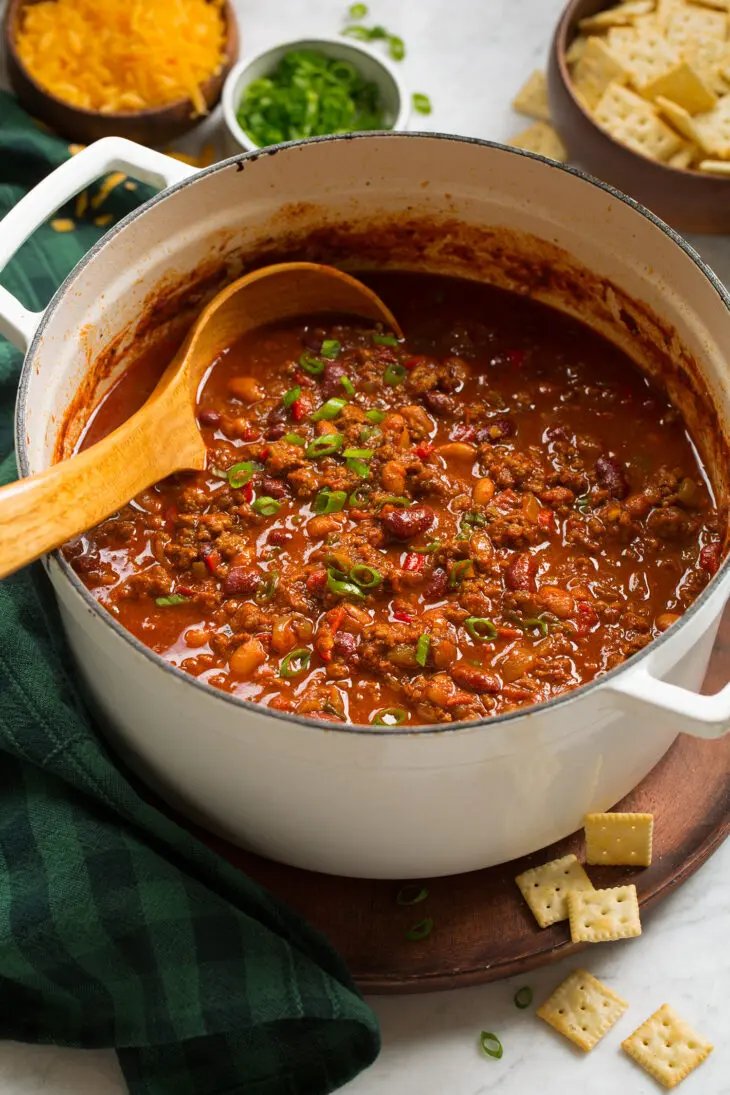 The Ultimate Homemade Chili Recipe for Cold Weather
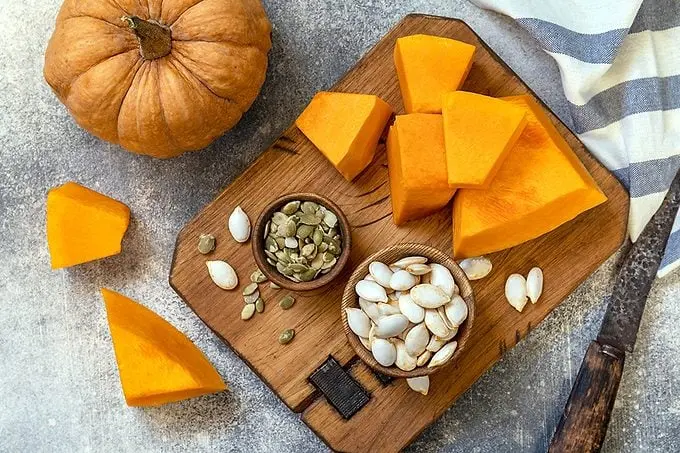 The Nutritional Power of Pumpkin Beyond Seasonal Desserts
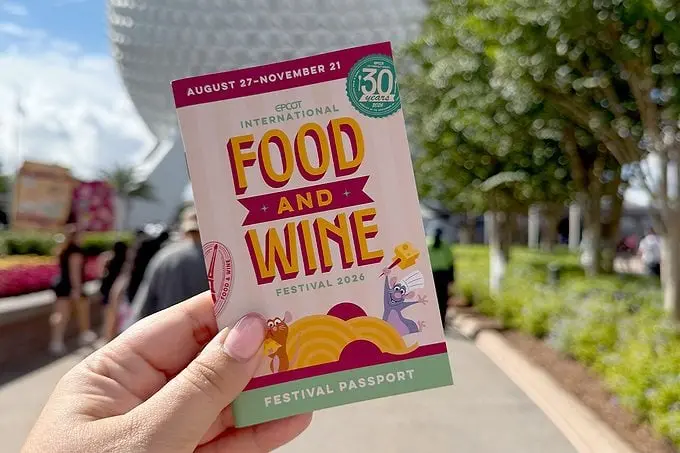 A Culinary Journey Through the 30th Epcot International Food and Wine Festival
 Burger King Unleashes Hello Kitty Kids' Meal with Ultra-Rare Golden Collectible
Fast‑food chains have seen menu items climb by double‑digit percentages in recent years, with a classic Big Mac now costing more than eleven times its original price. In contrast, hot bars let customers assemble meals from a rotating selection of soups, salads, and entrees, paying only for the weight of their plate. This model reduces waste, encourages portion control, and keeps dining costs under $7 on average. Retailers cite lower labor costs and bulk ingredient purchasing as key drivers behind the price advantage.
Supermarket hot bars typically charge between $4 and $6 per pound, a stark contrast to the $8‑$12 price tags at many fast‑food outlets. Shoppers can mix protein, vegetables, and starches to suit personal tastes, creating balanced meals that rival the flavor of chain restaurants. „I can get a chicken‑and‑rice bowl for the price of a single burger,” said Maria Hernandez, a regular patron in Phoenix. Data from the National Retail Federation shows that customers who frequent hot bars spend 30 % less on meals than those who rely on traditional fast‑food venues. The variety also appeals to dietary restrictions, with many bars offering gluten‑free, vegan, and low‑sodium options.
Can Grocery Hot Bars Replace Traditional Fast‑Food Chains?
Experts suggest the answer may be „yes” for price‑sensitive consumers, but cultural factors still favor established chains. Fast‑food brands boast speed, brand loyalty, and a predictable menu, while hot bars require shoppers to visit a grocery store and wait for service. Nevertheless, the convenience of extended hours and the ability to grab a ready‑to‑eat plate while doing weekly shopping blur the lines between grocery and restaurant experiences. Analysts predict that if hot bars continue to expand their hours and streamline service, they could capture a significant share of the quick‑service market within the next five years.
The shift toward pay‑by‑weight hot bars signals a broader move toward cost‑conscious dining. As inflation pressures persist, more consumers will likely seek out these flexible, affordable options. Retailers are already experimenting with mobile ordering and self‑serve kiosks to speed up service, further narrowing the gap with traditional fast‑food outlets. The outcome could reshape the fast‑food landscape, forcing chains to reevaluate pricing and menu strategies.
Frequently Asked Questions
How is pricing calculated at grocery hot bars? Customers place their plate on a scale, and the register multiplies the weight by a per‑pound rate, usually ranging from $4 to $6.
Are hot bar meals nutritionally comparable to fast‑food items? Many hot bars emphasize fresh ingredients and balanced portions, often offering lower calories, less sodium, and more vegetables than typical fast‑food meals.
Do grocery stores plan to expand hot‑bar hours? Several chains have announced pilot programs to keep hot bars open later, aiming to attract dinner‑time shoppers and compete directly with fast‑food hours.
Content written by Lucas Carter for fancy-meals.com editorial team, AI-assisted.