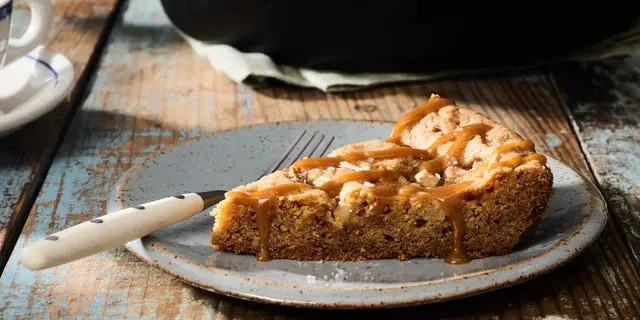
Salted Caramel Treats Define Autumn Dessert Trends
Why Sodium Enhances Sweetness
Autumn is the peak season for rich, indulgent baked goods across North America. Home bakers and pastry chefs are turning to salted caramel as a primary flavor profile. This combination pairs naturally with cookies, cakes, and dense dessert bars. The addition of flaky salt creates a distinct sensory experience that defines the current culinary landscape for seasonal sweets.
Latest news
 Moe's Southwest Grill Menu Items Ranked from Worst to Best
 Hot Honey Brussels Sprouts: A Sweet‑Spicy Side That Turns Heads
 Turn Your Pasta Sauce Into a Nutritional Powerhouse
 West Coast IPAs vs East Coast IPAs: A Flavor Battle Across the United States
The core appeal lies in the chemical interaction between sodium and sugar. A simple sprinkle of salt does not merely add a salty taste. Instead, it amplifies the underlying buttery and toasted notes within the caramel base. This balance prevents the sweetness from becoming cloying or overwhelming. The result is a complex flavor profile that feels sophisticated yet accessible to casual home cooks.
Flaky salt serves a specific functional purpose in confectionery. It acts as a flavor enhancer rather than just a seasoning. When applied to caramel, it highlights the depth of the roasted sugar character. Without this contrast, pure caramel can taste flat or excessively sugary. The salt cuts through the viscosity of the gooey filling. It provides a necessary textural and gustatory break. This technique transforms standard recipes into elevated desserts that satisfy cravings more effectively.
Is Salted Caramel Better Than Plain?
Many popular autumn desserts rely on this principle. Cookies with molten centers benefit from the salt rim. Layered cakes use salted caramel ganache to create visual and taste contrast. Dense bars often feature a crumbly crust topped with a salty-sweet layer. The versatility of the ingredient allows for endless variations. Bakers experiment with different salt types, from coarse sea salt to fine kosher grains. Each type offers a slightly different melting point and intensity.
The debate between plain and salted versions remains active among food enthusiasts. Proponents of the salted version argue that it offers greater complexity. Critics of plain caramel note its tendency to feel one-dimensional. Data from recent baking trends shows a significant shift toward savory-sweet hybrids. Consumers report higher satisfaction levels when salt is included. The contrast reduces the perception of pure sweetness. This makes the dessert easier to consume in larger portions. The outcome is a treat that feels less heavy despite its richness.
Frequently Asked Questions
Looking ahead, salted caramel is likely to remain a staple in autumn menus. Its ability to bridge the gap between sweet and savory ensures broad appeal. Pastry chefs continue to innovate with new applications for this flavor pairing. From ice cream to chocolate truffles, the trend shows no signs of slowing down. The key takeaway is that a small amount of salt dramatically improves the overall eating experience. For anyone seeking sticky-sweet bliss this season, adding a pinch of salt is the essential step.
Does salt make caramel taste salty? No, the goal is not to taste salt directly. The salt enhances the buttery and toasted notes of the caramel. It balances the sweetness without dominating the flavor profile.
Can I use any type of salt? Yes, but texture matters. Flaky sea salt provides a better crunch and visual appeal. Fine table salt dissolves too quickly and may not offer the desired contrast.
Content written by The Pioneer Woman » Pancake for fancy-meals.com editorial team, AI-assisted.