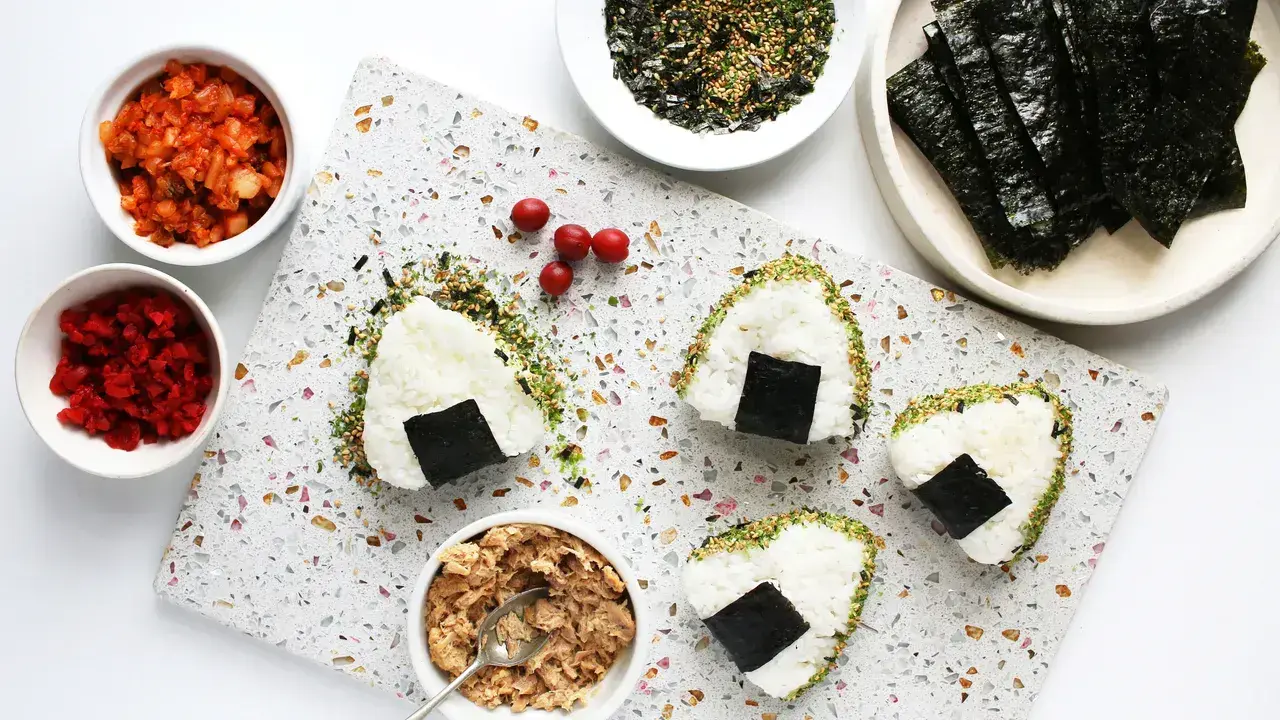
Onigiri: Simple Japanese Rice Balls Made with Just Three Fillings
How Fillings Shape the Onigiri Experience
Onigiri, the beloved Japanese rice ball, requires only basic ingredients and no special tools to prepare. Home cooks can create these portable snacks using steamed rice, nori seaweed, and a choice of savory fillings. The technique involves shaping warm rice around fillings by hand, a method passed down through generations in Japanese households. This approach makes onigiri accessible to cooks of all skill levels, emphasizing simplicity and tradition.
Latest news
 Moe's Southwest Grill Menu Items Ranked from Worst to Best
 Hot Honey Brussels Sprouts: A Sweet‑Spicy Side That Turns Heads
 Turn Your Pasta Sauce Into a Nutritional Powerhouse
 West Coast IPAs vs East Coast IPAs: A Flavor Battle Across the United States
The process begins with preparing short-grain rice, which is cooked until slightly sticky but still distinct in texture. Once cooled enough to handle, the rice is formed into a triangle or oval shape around a filling such as pickled plum, salted salmon, or seasoned tuna mayo. A strip of nori is often wrapped around the base for ease of handling and added flavor. Each filling offers a distinct taste profile—umami-rich, tangy, or savory—allowing for variety without complexity. The method relies entirely on manual shaping, eliminating the need for molds or presses.
Can Onigiri Be Made Ahead for Later Consumption?
The choice of filling transforms the onigiri from a plain rice snack into a flavorful bite. Traditional options like umeboshi (pickled plum) provide a sharp, sour contrast to the mild rice, while grilled salmon delivers a rich, smoky depth. Modern variations might include tuna mixed with mayonnaise and soy sauce, offering a creamy, savory center. These fillings are not only flavorful but also practical, as they help preserve the rice and add nutritional balance. The versatility of onigiri lies in this adaptability, letting individuals tailor each ball to personal taste or dietary needs.
Yes, onigiri can be prepared in advance and stored properly for meals throughout the day. To maintain freshness, they should be wrapped individually in plastic wrap or placed in an airtight container, with nori added just before eating to prevent sogginess. Refrigeration is recommended if not consumed within a few hours, though they are best enjoyed at room temperature. This makes onigiri ideal for bento boxes, picnics, or quick lunches. Their portability and satisfying nature have contributed to their enduring popularity across Japan and beyond.
What type of rice works best for onigiri? Short-grain Japanese rice is ideal due to its sticky texture, which helps the ball hold its shape when pressed.
Frequently Asked Questions
Is it necessary to use nori seaweed? No, nori is optional and primarily used for convenience and flavor; onigiri can be enjoyed without it.
How long can homemade onigiri safely sit out? At room temperature, onigiri should be consumed within four hours to ensure food safety, especially if containing perishable fillings.
Content written by Diana Yen for fancy-meals.com editorial team, AI-assisted.