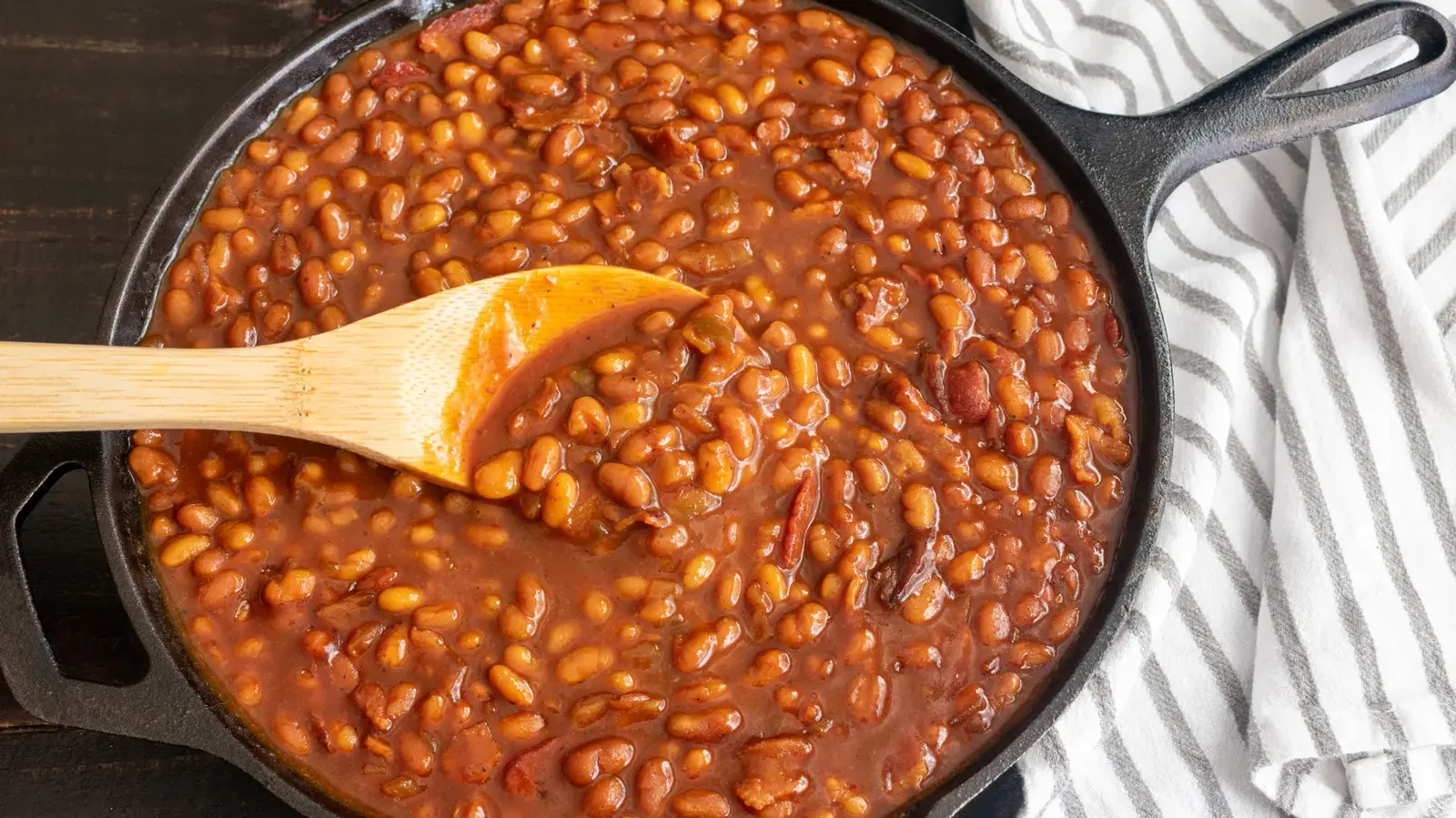
One Simple Ingredient Elevates Canned Baked Beans
How a Single Addition Changes the Texture and Taste
Home cooks seeking to improve their side dishes can transform standard baked beans into a gourmet meal with minimal effort. This technique applies whether you prepare the dish from scratch or use a pre-canned variety. The method involves adding a single specific ingredient that dramatically alters the flavor profile. It turns a humble staple into a bold, flavorful component of any dinner plate.
Latest news
 Moe's Southwest Grill Menu Items Ranked from Worst to Best
 Hot Honey Brussels Sprouts: A Sweet‑Spicy Side That Turns Heads
 Turn Your Pasta Sauce Into a Nutritional Powerhouse
 West Coast IPAs vs East Coast IPAs: A Flavor Battle Across the United States
The core idea is simple. Most people treat baked beans as a background element rather than a star attraction. By introducing one key addition, the dish gains depth and complexity. This approach saves time while delivering restaurant-quality results. You do not need expensive equipment or rare spices. The process remains accessible for beginners and seasoned chefs alike.
The specific ingredient mentioned in culinary circles is often a splash of high-quality vinegar or a pinch of smoked paprika, depending on the desired outcome. However, the most common recommendation for immediate impact is adding a small amount of brown sugar or molasses. These sweeteners balance the acidity of the tomato base. They create a richer, more rounded flavor that lingers on the palate.
Why This Method Beats Traditional Seasoning
When you stir in this extra element, the chemical reaction enhances the natural sugars in the beans. The heat from the cooking process helps integrate the new flavor fully. This prevents the side note of harshness that sometimes plagues store-bought jars. The result is a smoother, more cohesive taste experience. You can adjust the quantity based on personal preference for sweetness.
Traditional seasoning often relies on salt and pepper alone. While effective, these basics rarely excite the taste buds. Adding a complex flavor agent creates a multi-layered profile. This technique works because it addresses the flatness inherent in mass-produced food items. It bridges the gap between convenience and quality.
Many home cooks hesitate to experiment with pantry staples. They fear ruining a familiar taste. This one-ingredient trick removes that risk. It offers a safe pathway to culinary creativity. The change is subtle yet profound. Diners often cannot identify the exact addition but recognize the improvement. This makes it an ideal strategy for entertaining guests without revealing all your secrets.
Frequently Asked Questions
Does this work with dry beans? Yes, the technique applies equally to beans cooked from dry. Add the flavor agent during the final simmering stage. This allows the flavors to meld properly without overcooking the legumes.
Can I use white vinegar instead of brown? You can, but brown vinegar or apple cider vinegar usually pairs better. White vinegar can be too sharp and acidic. It may overpower the delicate bean flavor if used in excess.
How much should I add? Start with one teaspoon per cup of beans. Taste the mixture before adding more. This gradual approach prevents the dish from becoming overly sweet or tangy.
Content written by Lucas Carter for fancy-meals.com editorial team, AI-assisted.