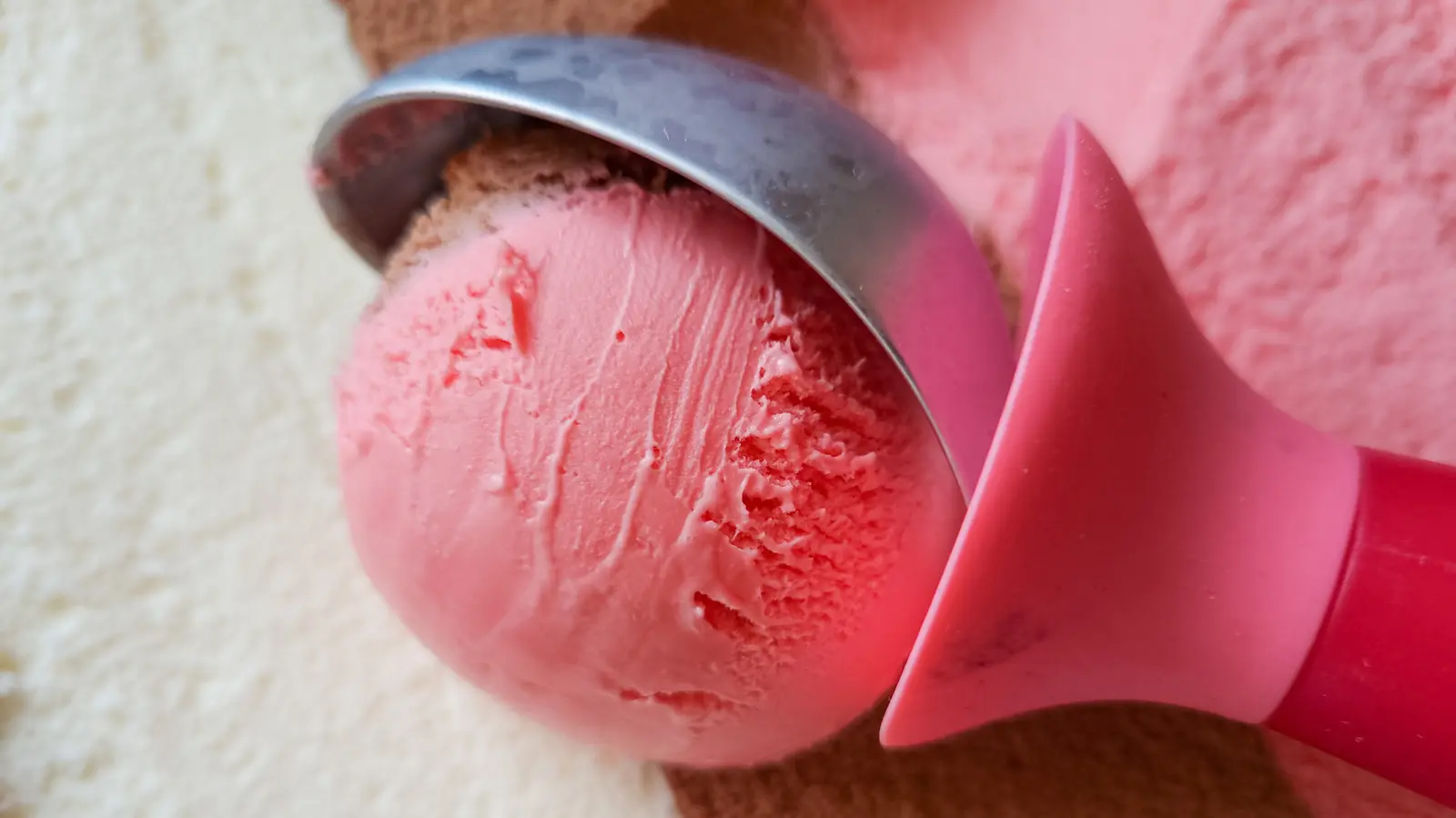
Not Vanilla, Chocolate, Or Pistachio — This Loaded Ice Cream Flavor Was A Depression-Era Staple
It became a staple not because it was fancy, but because it provided energy and
During the Great Depression, when most Americans struggled to afford basic meals, a surprisingly rich ice cream flavor emerged as an unexpected treat in households across the country. Born out of necessity and creativity, this dessert combined simple pantry staples into a decadent-tasting confection that offered momentary relief from hardship. Though ingredients were scarce, home cooks found ways to make indulgence accessible, turning limited resources into something sweet and satisfying. The flavor in question was not vanilla, chocolate, or pistachio, but rather a loaded blend often made with canned evaporated milk, sugar, and whatever nuts or dried fruits were on hand—sometimes even bits of stale cake or cookies. Families would mix these ingredients, freeze them in ice cube trays or metal containers, and churn by hand to create a creamy, calorie-dense dessert.
Latest news
 Moe's Southwest Grill Menu Items Ranked from Worst to Best
 Hot Honey Brussels Sprouts: A Sweet‑Spicy Side That Turns Heads
 Turn Your Pasta Sauce Into a Nutritional Powerhouse
 West Coast IPAs vs East Coast IPAs: A Flavor Battle Across the United States
It became a staple not because it was fancy, but because it provided energy and comfort during long, difficult days. How Did People Make Ice Cream Without Electricity or Cream? Without refrigerators or ice cream makers, many relied on ice harvested from lakes in winter and stored in sawdust-insulated iceboxes. The mixture was placed in a sealed metal can, submerged in a bucket of ice and salt, then stirred manually for up to an hour. This low-tech method, though labor-intensive, produced a surprisingly smooth texture. Neighbors often shared the work—and the results—turning ice cream making into a communal act of resilience. What Made This Flavor So Special During Hard Times? Unlike store-bought sweets, which were often unaffordable, this homemade version used ingredients already available in many Depression-era pantries. Evaporated milk, a shelf-stable staple, replaced fresh cream, while added nuts or fruit boosted both nutrition and flavor.
Psychologists note that such small luxuries played a vital role in maintaining morale. As one historian explained, „When you can’t buy hope, you make it—sometimes in a tin cup, with a wooden spoon and a lot of determination.” Frequently Asked Questions What was the most common base for Depression-era ice cream? The most common base was canned evaporated milk mixed with sugar, which mimicked the richness of cream when frozen and churned. Did people really add cake or cookie scraps to ice cream? Yes, especially in urban areas where day-old baked goods were sometimes available from bakeries or donated through relief efforts, and families wasted nothing. Was this ice cream only eaten by poor families? While born of necessity, the treat spread across income levels as a symbol of frugal ingenuity, with even wealthier households adopting the recipe during shortages.
Content written by Tasting Table for fancy-meals.com editorial team, AI-assisted.