
Mastering the Art of Perfectly Cooked Pasta
The Science of Residual Heat
Achieving the ideal pasta texture remains a challenge for many home cooks who struggle with mushy or overcooked noodles. Whether preparing a simple weeknight dinner or an elaborate meal, the difference between a soggy bowl and a professional-grade dish often comes down to timing and technique. Mastering these fundamental steps ensures consistent, restaurant-quality results every single time.
Latest news
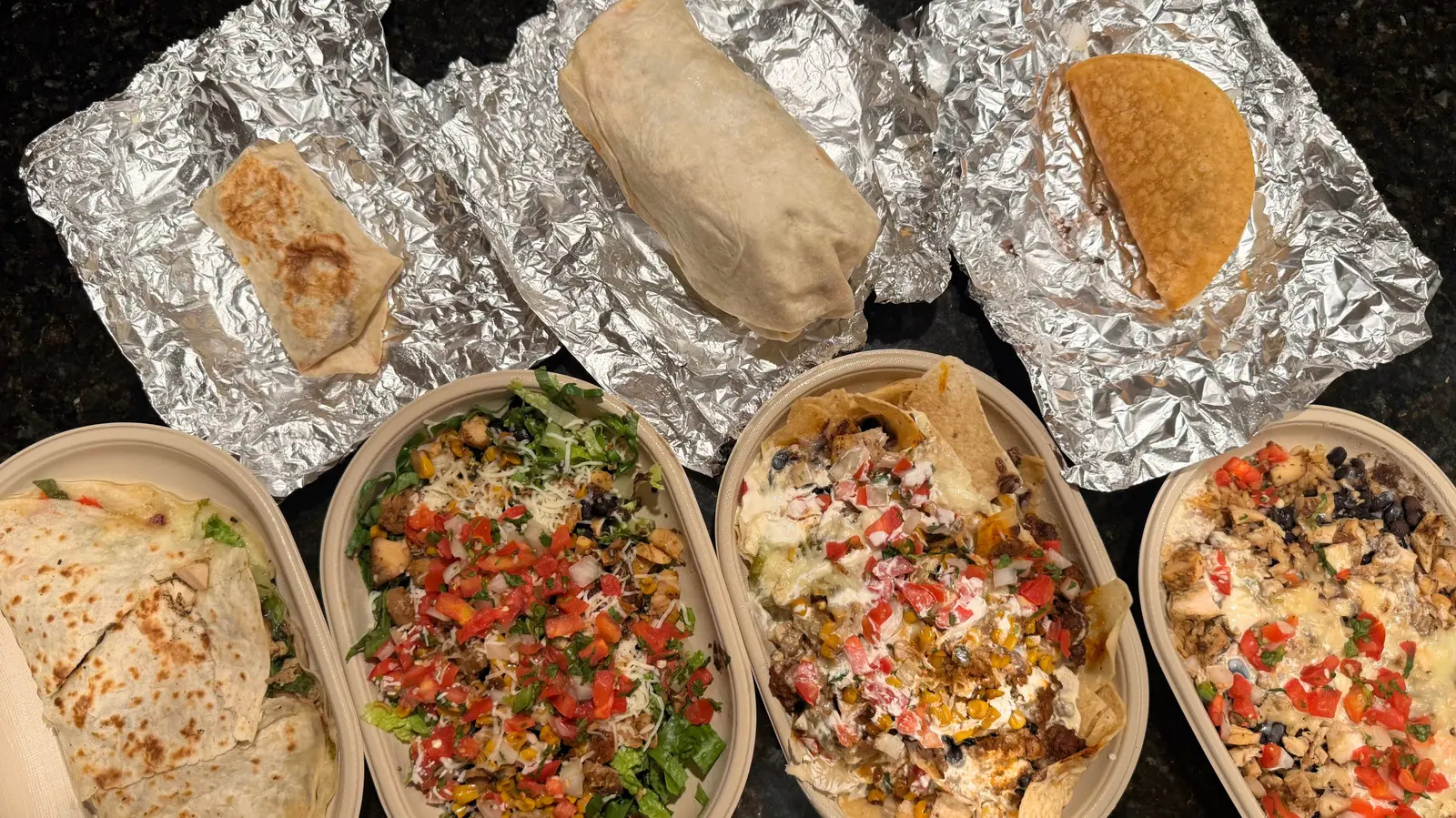 Moe's Southwest Grill Menu Items Ranked from Worst to Best
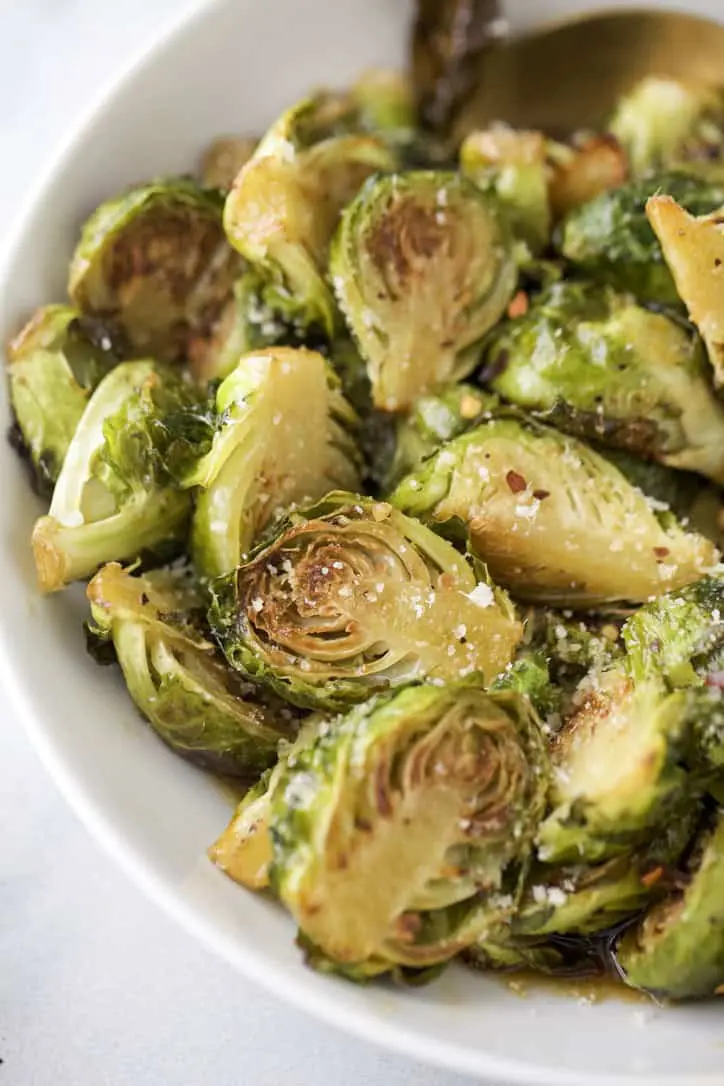 Hot Honey Brussels Sprouts: A Sweet‑Spicy Side That Turns Heads
 Turn Your Pasta Sauce Into a Nutritional Powerhouse
 West Coast IPAs vs East Coast IPAs: A Flavor Battle Across the United States
The primary culprit behind overcooked pasta is often a lack of attention during the final minutes of boiling. Many cooks rely solely on package instructions, which can be misleading depending on the heat intensity of the stove. Instead, testing the noodle two minutes before the suggested time is essential. Pasta should retain a slight resistance to the bite, a state known as al dente.
Why Does Timing Matter So Much?
Most home cooks fail to account for carry-over cooking. Pasta continues to soften even after it leaves the boiling water, especially when tossed with hot sauce. To prevent this, drain the noodles while they are slightly firmer than your desired final texture. Immediately combining the pasta with your sauce allows the noodles to finish cooking in the liquid, which also helps the sauce adhere better to the surface.
Starch granules in pasta absorb water and expand rapidly once they reach the boiling point. Once the pasta passes the al dente stage, the structure breaks down, leading to a gummy or mushy consistency that cannot be reversed. By pulling the pasta early, you preserve the structural integrity of the starch, ensuring a pleasant mouthfeel that holds up under heat.
Consistency is the key to elevating your culinary efforts. When you stop relying on guesswork and start monitoring the texture closely, you gain full control over your kitchen output. Properly cooked pasta provides the perfect foundation for any sauce, transforming a basic meal into a satisfying dining experience that avoids the common pitfalls of over-processing.
Frequently Asked Questions
What is the best way to test if pasta is done? The most reliable method is to taste a small piece of pasta directly from the pot. It should feel firm to the tooth but not crunchy or chalky in the center.
Should I add oil to the boiling water to prevent sticking? Avoid adding oil to your pasta water. The oil coats the noodles, which prevents the sauce from clinging to them properly. Stirring the pasta frequently during the first minute of boiling is enough to prevent clumping.
Content written by The Pioneer Woman » Pancake for fancy-meals.com editorial team, AI-assisted.