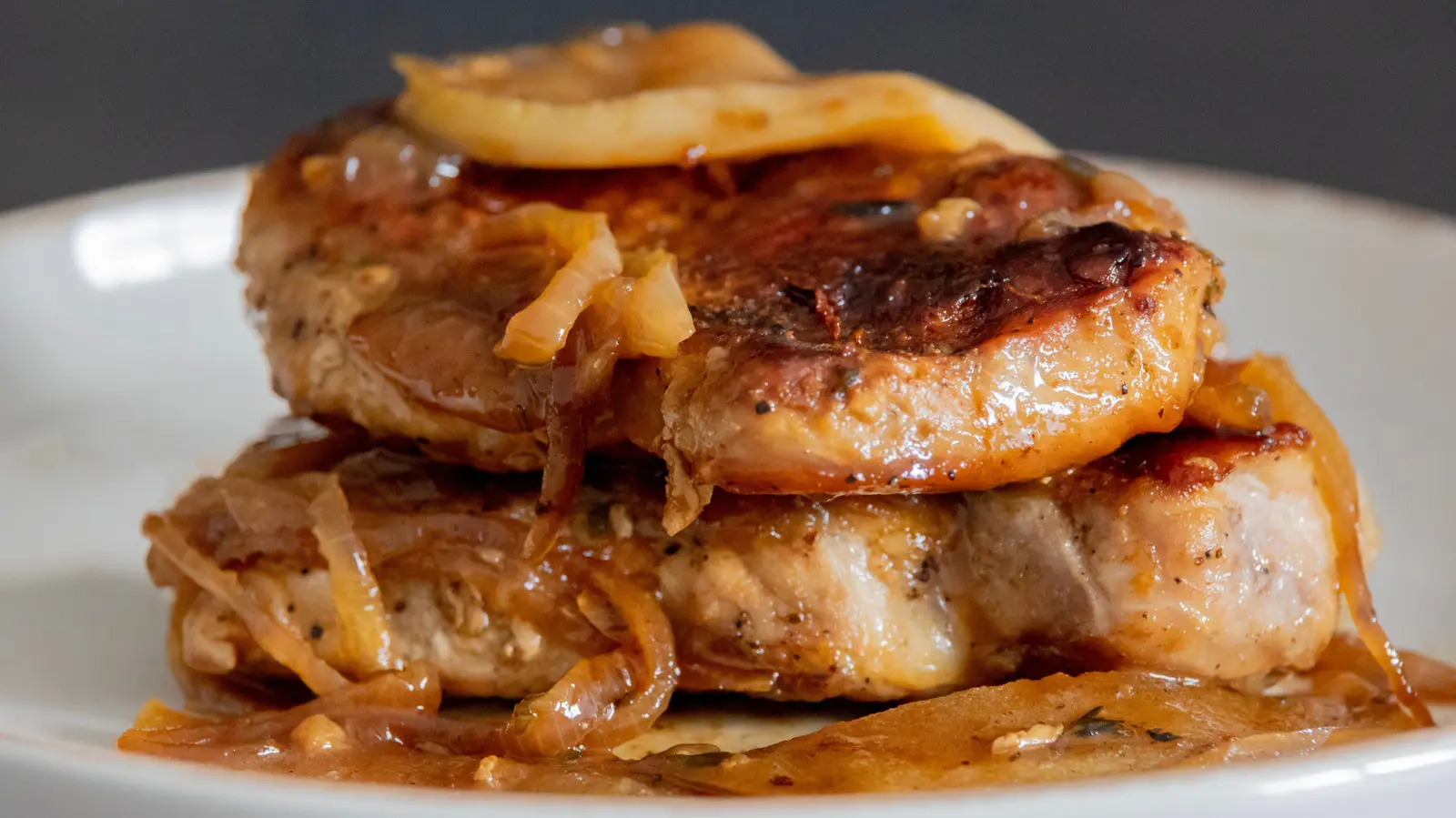
Mastering Oven-Baked Pork Chops: The Definitive Guide to Perfect Timing
Balancing Heat and Time for Juicy Results
Cooking pork chops in the oven presents a significant challenge for home cooks. Many diners dread the prospect of serving a meal that has turned out dry and tough. This specific cut of meat is notoriously unforgiving when subjected to excessive heat. Achieving a juicy interior requires precise timing and attention to detail. The goal is to avoid the common pitfall of overcooking while ensuring the meat reaches a safe temperature.
Latest news
 Costco's Frozen Dumpling Lineup, Ranked From Least To Most Tasty
 Best stainless-steel frying pans 2026: expert-tested picks for searing, eggs and daily cooking
 Trader Joe’s First‑Time Shopper Guide: Must‑Try Items
 Panda Express vs P.F. Chang's: Which Orange Chicken Is Healthier?
The primary issue with oven-baked pork chops is their tendency to lose moisture quickly. Unlike braised cuts, these steaks rely on their internal structure for tenderness. When the protein fibers contract too much due to high heat or prolonged baking, the result is a chewy texture that disappoints. Understanding the exact duration needed for baking is therefore essential for success.
To prevent a dry outcome, cooks must monitor both temperature and time closely. Standard oven temperatures typically range between 375 and 400 degrees Fahrenheit. At these settings, thin boneless chops may require only ten to fifteen minutes. Thicker cuts or those with bones attached will take longer, often approaching twenty to twenty-five minutes. The key variable is thickness rather than weight alone. A uniform thickness ensures even cooking throughout the piece of meat.
Why Overcooking Ruins the Flavor Profile
Using a meat thermometer remains the most reliable method for checking doneness. The USDA recommends an internal temperature of 145 degrees Fahrenheit for whole muscle cuts like pork chops. Once this temperature is reached, the meat should rest for three to five minutes before slicing. This resting period allows the juices to redistribute, preventing them from spilling out onto the plate. Skipping this step can lead to a drier final product, even if the initial cooking time was correct.
Overbaking transforms the delicate flavor of pork into something bland and fibrous. The fat content in these cuts helps maintain moisture, but only up to a point. Excessive heat renders this fat away, leaving the lean muscle exposed. Seasoning plays a crucial role in masking any minor imperfections in texture. A robust rub of salt, pepper, and garlic powder enhances the surface crust without drying out the interior. Marinating the meat beforehand can also add layers of flavor that survive the baking process.
The consequence of ignoring these guidelines is a meal that fails to satisfy. Diners expect pork chops to be tender and flavorful, not rubbery. By adhering to strict timing protocols and using accurate temperature measurements, home cooks can consistently produce restaurant-quality results. The outlook for successful dinner preparations improves significantly when precision replaces guesswork. Future meals will benefit from this disciplined approach to heat management.
Frequently Asked Questions
What is the ideal internal temperature for pork chops? Pork chops should reach an internal temperature of 145 degrees Fahrenheit. This ensures the meat is safe to eat while remaining juicy. Always allow the meat to rest after removing it from the oven.
How do I know if my pork chops are done without a thermometer? Check for clear juices when piercing the thickest part of the chop. The meat should feel firm but not hard. However, a digital thermometer provides the most accurate reading for consistent results.
Can I bake pork chops at a lower temperature? Yes, baking at 325 degrees Fahrenheit works well for thicker cuts. It requires a longer cooking time, potentially up to thirty minutes. This method reduces the risk of burning the exterior before the center is cooked.
Content written by [email protected] (Julia Mullaney) for fancy-meals.com editorial team, AI-assisted.