
Japanese Curry Rice: The Sweet Secret Behind Japan’s Favorite Comfort Food
Unconventional Ingredients Define the Traditional Profile
Japanese curry rice has become a staple of domestic dining across the nation. This dish offers a thick, mildly spiced, and slightly sweet experience. It stands apart from other global curry varieties due to its unique preparation methods. Families often gather around this meal for warmth and satisfaction.
Latest news
 Moe's Southwest Grill Menu Items Ranked from Worst to Best
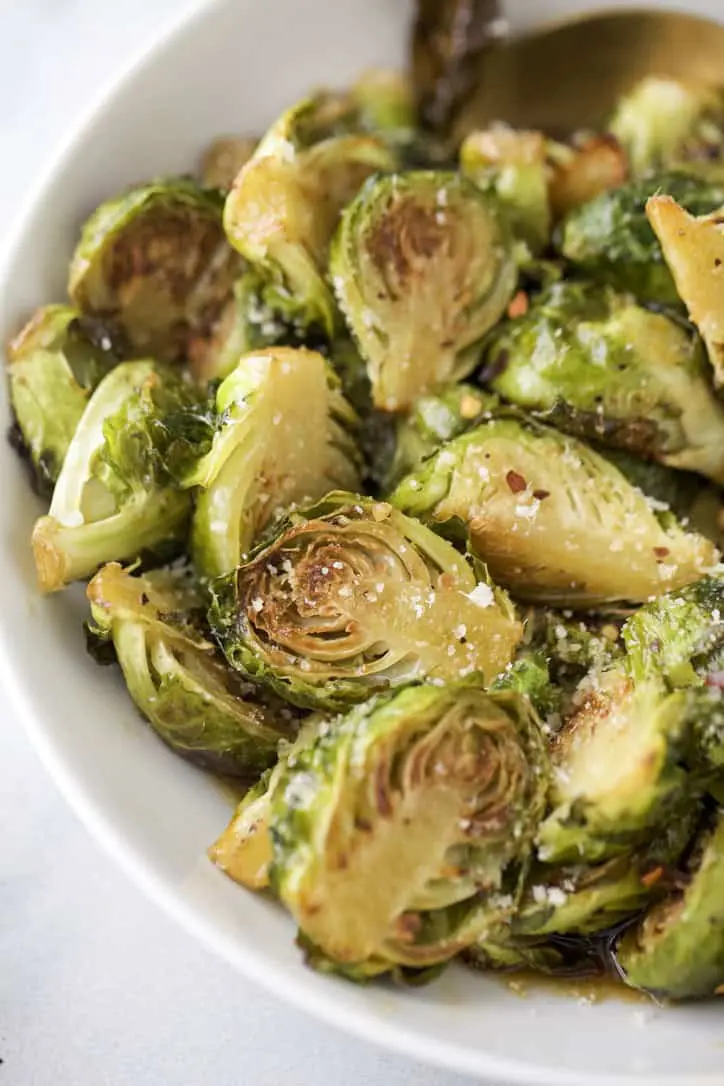 Hot Honey Brussels Sprouts: A Sweet‑Spicy Side That Turns Heads
 Turn Your Pasta Sauce Into a Nutritional Powerhouse
 West Coast IPAs vs East Coast IPAs: A Flavor Battle Across the United States
The flavor profile relies on an unexpected combination of pantry staples. Cooks incorporate ketchup, Worcestershire sauce, honey, and soy sauce into the mixture. These elements blend with curry powder to create a complex taste. The result is astringency of the spices is balanced by the sweetness of the additives. This specific balance defines the authentic home-style version.
The foundation of this dish is a roux made from butter and flour. This base absorbs the liquid ingredients and thickens the final product. Ketchup adds a subtle tomato tang that rounds out the heat. Worcestershire sauce contributes a savory umami depth to the broth. Honey provides a gentle sweetness that appeals to all ages. Soy sauce enhances the overall savoriness without overpowering the other flavors.
Why Does This Dish Taste So Different From India?
These additions are not modern shortcuts or regional substitutions. They represent the traditional approach found in many Japanese households. The goal is to achieve a sweet-savory depth that distinguishes the dish. This profile separates Japanese curry from Indian or Thai counterparts. Those versions typically rely heavily on sharp heat and complex spice blends. Japanese curry prioritizes comfort and mildness over intense pungency.
The divergence stems from the culinary history of the dish. When curry arrived in Japan, it was adapted to local palates. The addition of sugar-based ingredients softened the spice levels. This made the dish accessible to children and adults alike. The thick texture allows it to pair well with white rice. The rice acts as a neutral canvas for the rich sauce.
The use of a roux creates a velvety consistency. This prevents the sauce from being too thin or watery. The butter adds richness that coats the palate. Flour ensures the sauce holds together on the plate. This technical aspect is crucial for the final presentation.
The popularity of this dish continues to grow globally. Restaurants abroad now replicate the home-style recipe faithfully. Consumers appreciate the familiar yet distinct flavor profile. It serves as a gateway to Japanese cuisine for many international diners. The simplicity of the ingredients makes it easy to recreate at home.
Frequently Asked Questions
Is Japanese curry spicy? No, it is generally mild. The addition of ketchup and honey balances the heat from the curry powder. Most people find it comfortable rather than challenging.
Can I make this without ketchup? Yes, but the flavor changes significantly. Ketchup is a traditional ingredient that provides necessary acidity and sweetness. Omitting it may result in a less authentic taste.
What type of curry powder should I use? Use a standard curry powder blend. The specific brand matters less than the technique. Ensure you cook the roux properly to avoid a raw flour taste.
Content written by Henry Cross for fancy-meals.com editorial team, AI-assisted.