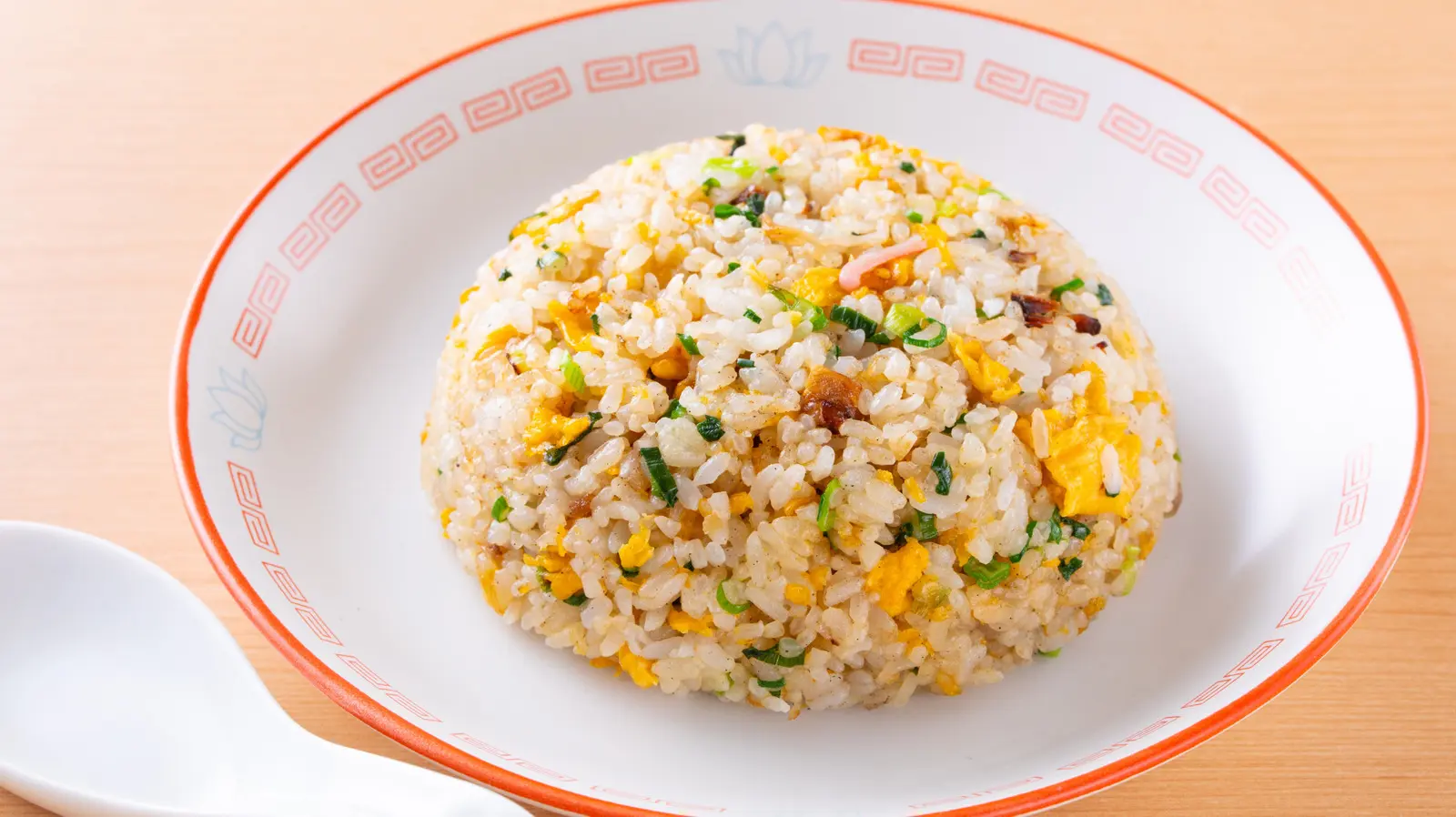
Home Cooks Reveal the One Ingredient That Transforms Fried Rice
Why Fish Sauce Works Better Than Soy Sauce Alone
Home chefs across the country claim that a single pantry staple can turn ordinary fried rice into a dish rivaling restaurant quality. The ingredient, a splash of soy‑based fish sauce, is said to deepen umami and bring out the natural flavors of rice, vegetables, and protein. Enthusiasts say the trick works whether you’re using day‑old leftovers or freshly cooked grains, and it requires no special equipment—just a quick drizzle during the stir‑fry.
Latest news
 17 Mexican Soups That Prove Broth Is The Heart Of Mexican Cuisine
 A Los Angeles chef is challenging the beloved tradition of homemade matzo ball soup
 Cheddar Bay Biscuits Transform Classic Gravy Pairing
 Gel vs. Liquid Food Coloring: Which Is Better for Baking?
The technique has been circulating on cooking forums and in a recent cookbook that focuses on Asian home cooking. Authors attribute the flavor boost to the fermented nature of fish sauce, which adds a salty, savory depth that soy sauce alone cannot provide. Home cooks report that adding just a teaspoon per cup of rice creates a balanced taste without overwhelming the dish. The method also aligns with traditional Chinese kitchen practices, where chefs often finish dishes with a splash of fermented sauces to enhance complexity. Nutritionists note that fish sauce contributes modest amounts of protein and minerals while keeping sodium levels manageable when used sparingly.
Fish sauce is made from anchovies or other small fish that ferment for months, developing a rich glutamate profile. This natural glutamate acts as a flavor enhancer, similar to monosodium glutamate but derived from whole foods. When tossed into hot rice, the sauce quickly melds with the oil and aromatics, coating each grain. „It’s like giving the rice a secret handshake with the other ingredients,” says culinary writer Maya Liu, who tested the method in her kitchen. She found that the sauce’s subtle briny notes lifted the sweetness of carrots and the earthiness of mushrooms, creating a harmonious bite.
Can You Substitute Other Fermented Sauces?
The timing of the addition matters. Adding fish sauce toward the end of cooking preserves its aromatic qualities, while adding it too early can cause bitterness. Many home cooks also finish the dish with a drizzle of sesame oil and a sprinkle of scallions, completing the flavor profile without additional complexity.
Some home chefs wonder whether alternatives such as Worcestershire sauce or miso paste could replace fish sauce. While these condiments share a fermented background, they bring distinct flavor signatures. Worcestershire contains tamarind and molasses, which can introduce sweetness, while miso adds a grainy texture and a different type of umami. „If you’re avoiding fish, a light splash of mushroom soy sauce can work, but the depth won’t be identical,” Liu advises. Experimentation is encouraged, but the consensus remains that traditional fish sauce delivers the most authentic boost for fried rice.
The growing popularity of this simple tweak suggests that more home cooks will achieve restaurant‑level results without expensive equipment. As the technique spreads, it may inspire further exploration of fermented condiments in everyday cooking, reinforcing the idea that flavor often lies in the smallest additions.
Frequently Asked Questions
How much fish sauce should I use for a typical batch of fried rice? Start with one teaspoon per cup of cooked rice. Adjust up to two teaspoons if you prefer a stronger umami punch, tasting as you go.
Will the fish sauce make the dish smell fishy? When used in the recommended amount, the sauce adds depth without a pronounced fishy odor. The heat of the wok mellows the aroma.
Is there a vegetarian alternative that mimics the effect? Mushroom‑based soy sauces or a small amount of fermented bean paste can approximate the umami, though the flavor will differ slightly from true fish sauce.