
Gel vs. Liquid Food Coloring: Which Is Better for Baking?
Choosing the Right Colorant for Your Recipe
When bakers set out to create holiday treats, the visual appeal can be just as important as the flavor. Whether it’s a batch of Christmas cookies or a festive cake, adding the right hue can transform a simple recipe into a showstopper. The question many chefs ask is whether to use gel or liquid food coloring to achieve the most vibrant, consistent results.
Latest news
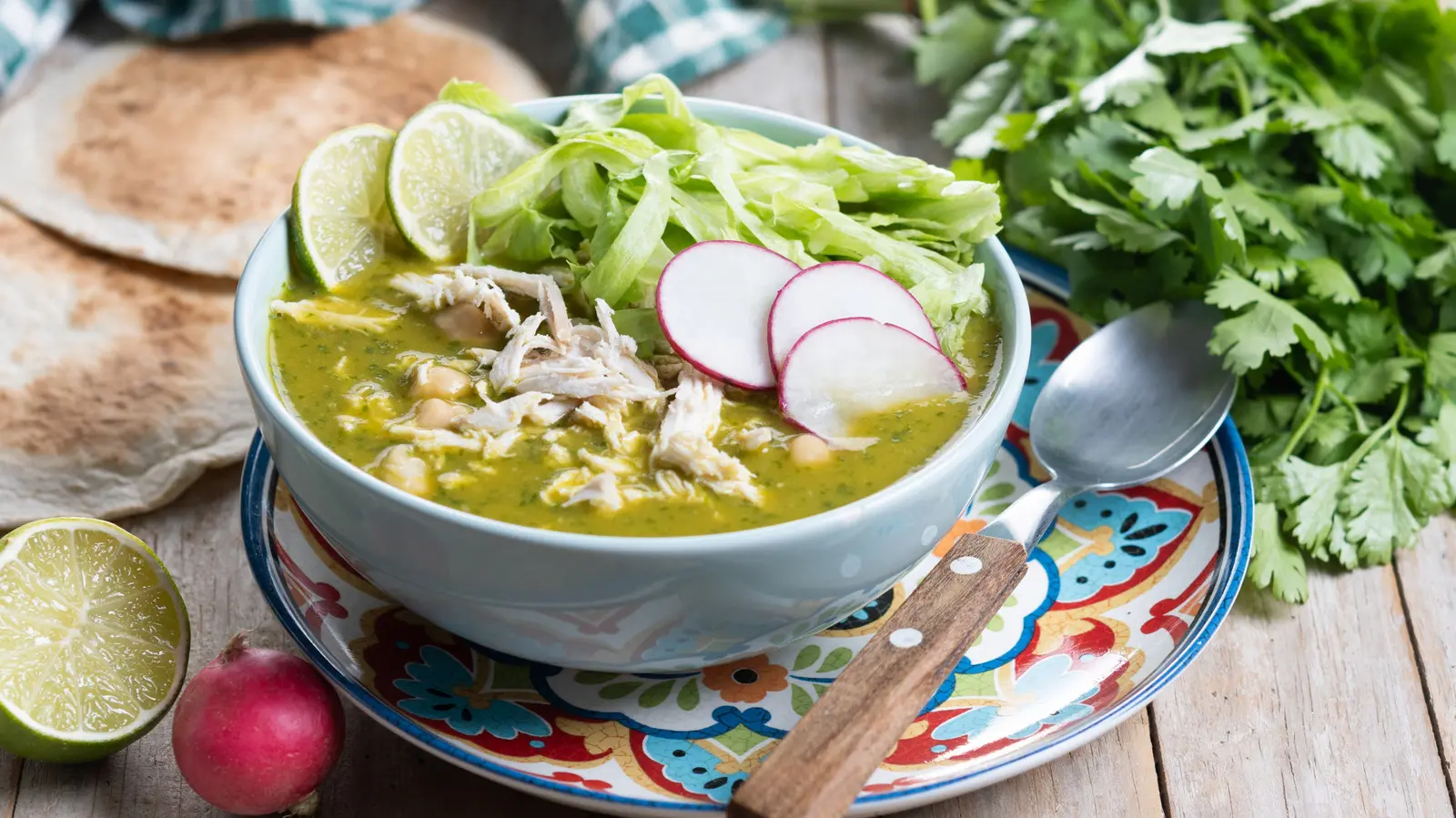 17 Mexican Soups That Prove Broth Is The Heart Of Mexican Cuisine
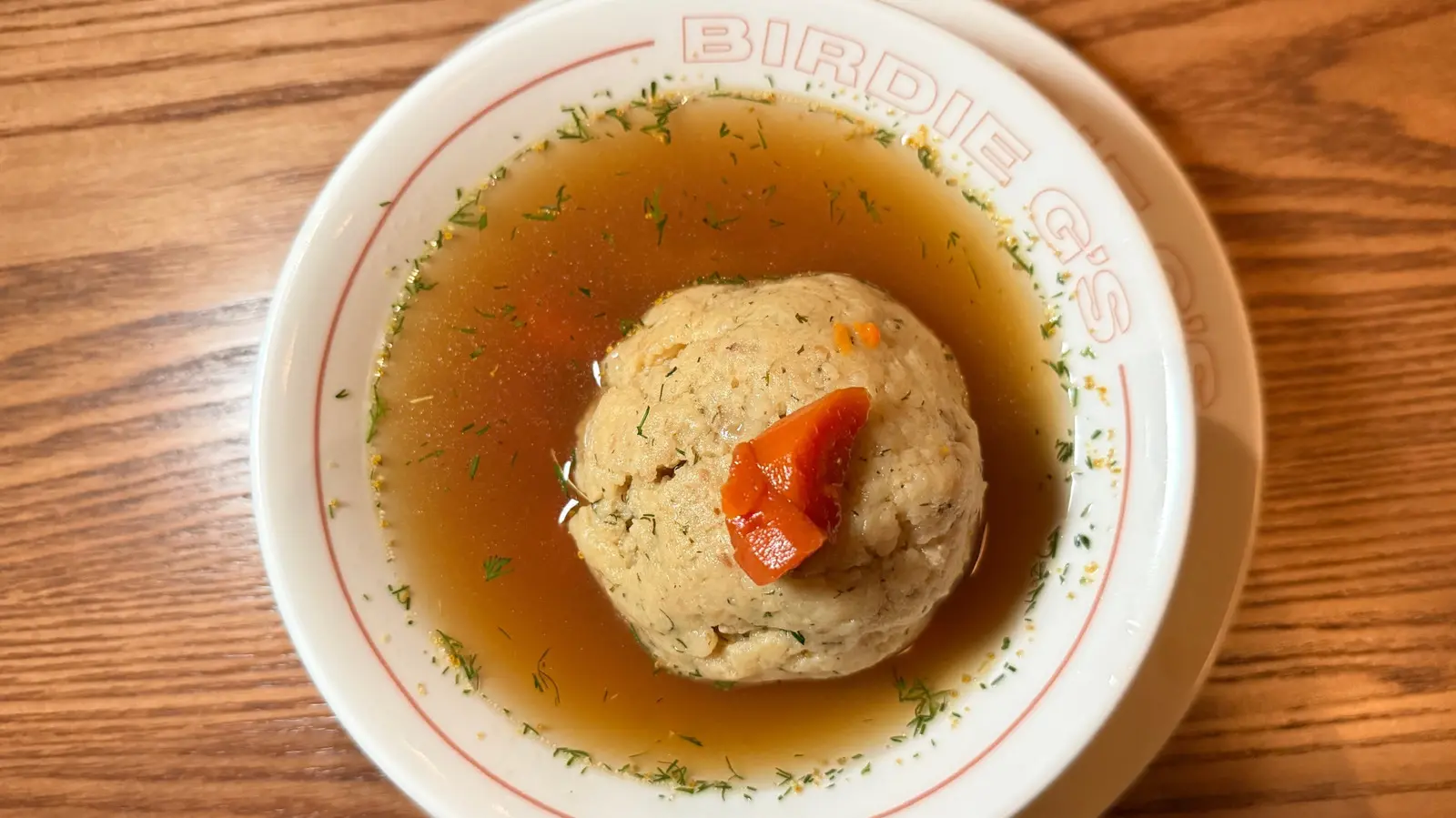 A Los Angeles chef is challenging the beloved tradition of homemade matzo ball soup
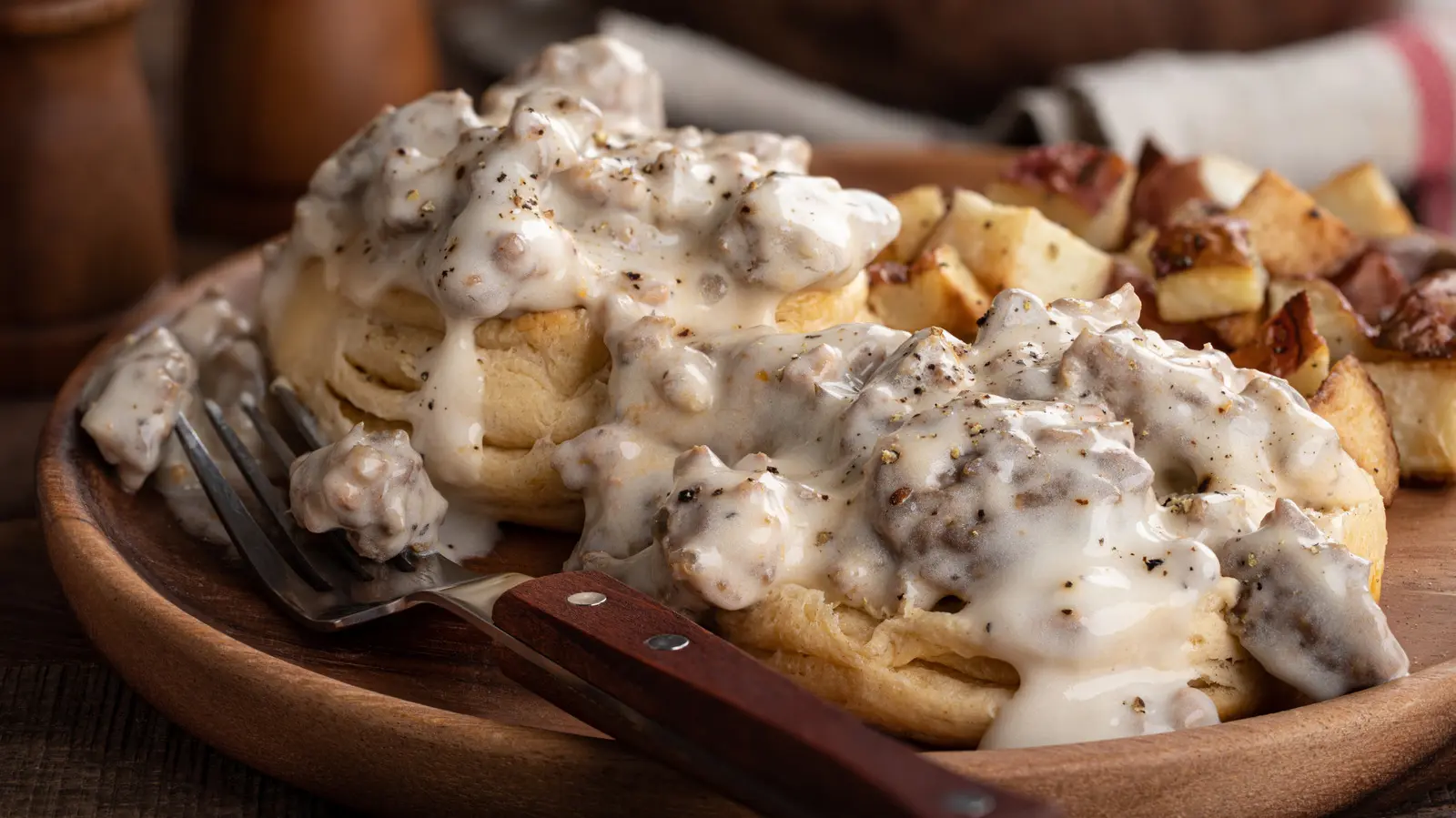 Cheddar Bay Biscuits Transform Classic Gravy Pairing
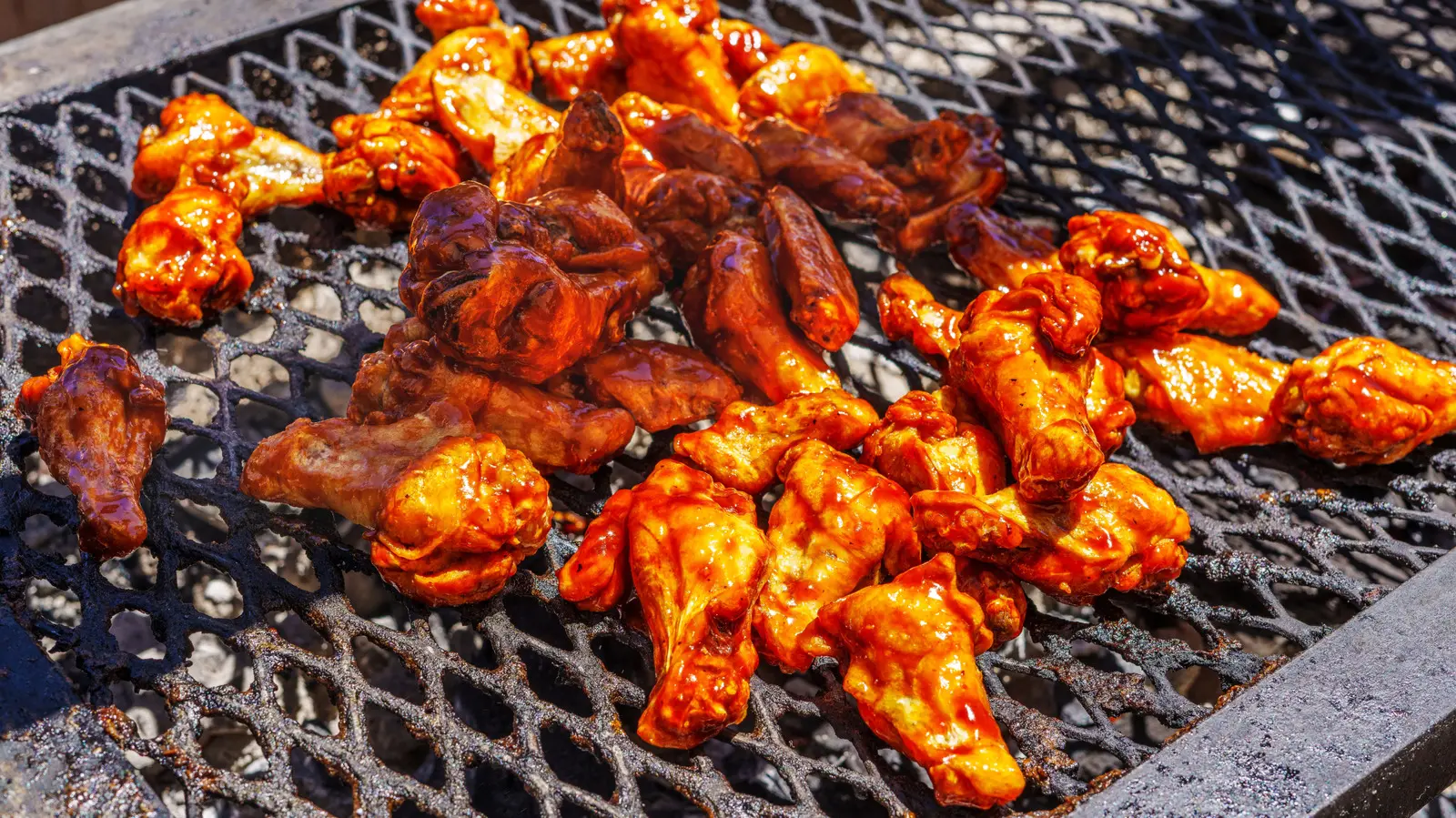 Buffalo Wing Dynasty: The Family-Run Restaurant Defining New York's Chicken Wing Scene
Both gel and liquid colorants are designed to tint dough, batter, or icing, but they differ in texture, concentration, and application. Gels are thick, almost paste‑like, and typically contain a higher pigment load per unit volume. Liquids are runnier and often require more quantity to match the intensity of a gel. The choice between the two can affect how the color behaves during baking, how it mixes with other ingredients, and the final appearance of the finished product.
How Color Affects Baking Outcomes
Baking professionals often prefer gels for tasks that demand precise color control. Because gels are concentrated, a small amount can cover a large surface area, reducing the risk of uneven tinting. They also tend to stay in place better when incorporated into dough, preventing the color from bleeding into the batter during mixing. For example, a baker preparing a batch of green chocolate chip cookies might add a few drops of green gel to the dough, then mix gently to avoid streaks. The result is a uniform, bright hue that holds up through the baking process.
Liquid colorants, on the other hand, are convenient for recipes that already contain a lot of liquid, such as frosting or cake batter. Their thin consistency allows them to disperse quickly, making them ideal for large volumes where a small amount of color can achieve the desired shade. However, because they are less concentrated, bakers may need to add more to reach the same intensity, which can alter the moisture balance of the recipe. A pastry chef might use liquid red to tint a buttercream frosting, adding a single teaspoon to a batch of two cups of frosting for a subtle, even color.
Is One Form Superior for Holiday Baking?
The type of coloring can also influence the texture and appearance of baked goods. Gels, being thicker, can slightly thicken dough or batter if used in large quantities, potentially affecting rise or crumb. Liquids, being more fluid, generally do not alter the batter’s consistency but can cause the color to spread more during baking, leading to a washed‑out look if not carefully measured. Additionally, some bakers report that gel colors tend to retain their vibrancy after baking, while liquid colors may fade slightly due to the heat.
Choosing the right colorant also depends on the desired finish. For glossy, saturated colors on cookies or cakes, gels are often the preferred choice. For more translucent or subtle shades, liquid colorants can provide a lighter effect that mimics natural fruit dyes. Ultimately, the decision hinges on the recipe’s liquid content, the amount of color needed, and the baker’s preference for ease of use versus precise control.
Frequently Asked Questions
The answer is not absolute; each type has its strengths. Gels offer higher concentration and better control, making them ideal for small batches or detailed designs. Liquids are easier to mix into larger volumes and can be more economical when only a light tint is required. Bakers who frequently produce themed treats might keep both types on hand, selecting the appropriate one based on the specific project. For instance, a holiday cake with intricate piping may benefit from the sharpness of a gel, while a large batch of cupcakes could be efficiently colored with a liquid.
In practice, many professional kitchens use both forms, switching between them as needed. The key is to test a small portion of the batter or dough first, ensuring the color behaves as expected before committing to the full batch. This approach minimizes waste and guarantees consistent results across all products.