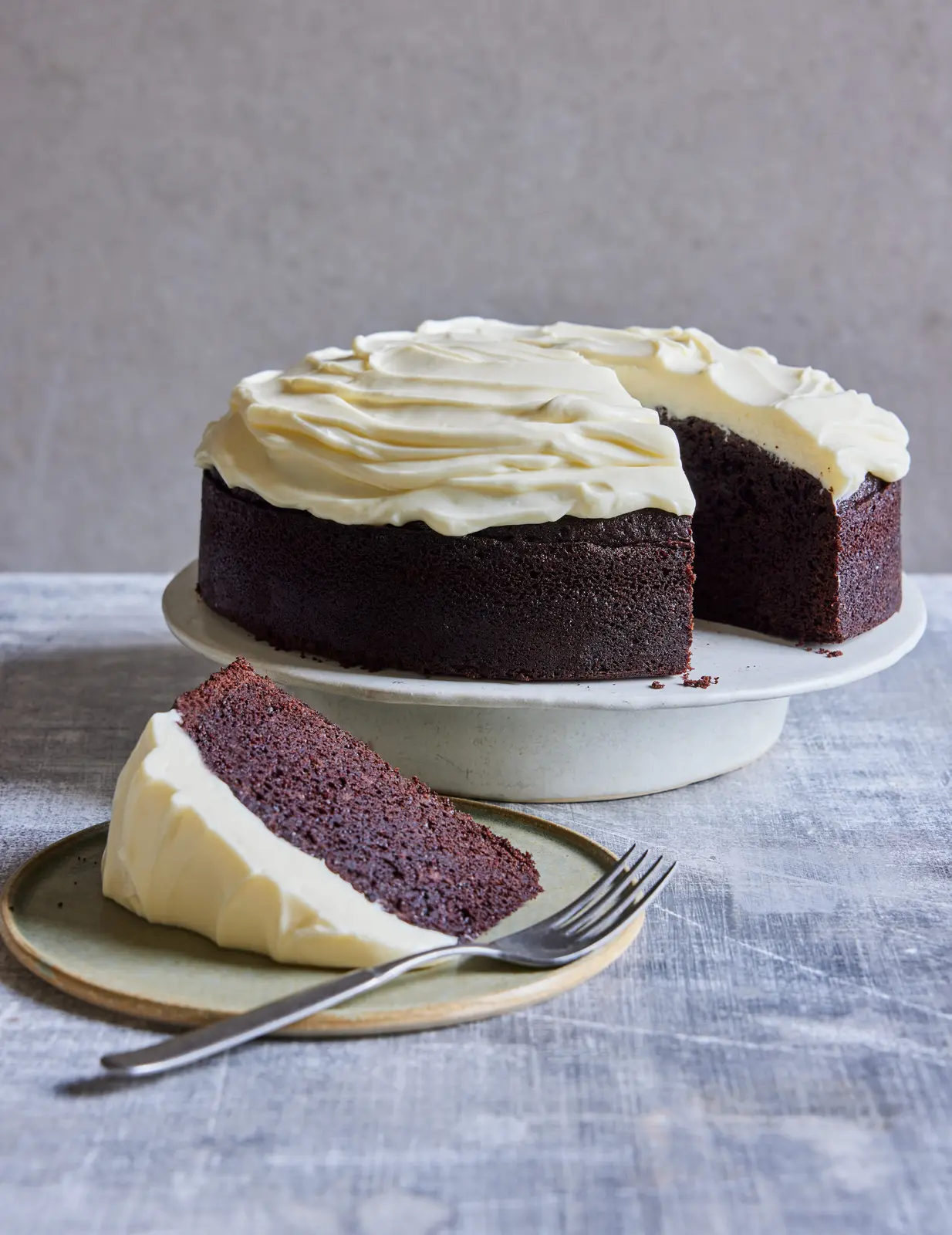
Guinness Cake Drama Unfolds on The Great British Bake Off
Why Liquid Ingredients Trip Up Even Skilled Bakers
The first major emotional moment of the latest series of The Great British Bake Off occurred when a contestant’s Guinness cake collapsed during judging, prompting visible distress and tears on camera. The incident took place in the show’s second week, filmed in the iconic tent at Welford Park in Berkshire, as bakers tackled the challenging technical task of creating a moist, rich stout-infused sponge.
Latest news
 Costco's Frozen Dumpling Lineup, Ranked From Least To Most Tasty
 Best stainless-steel frying pans 2026: expert-tested picks for searing, eggs and daily cooking
 Trader Joe’s First‑Time Shopper Guide: Must‑Try Items
 Panda Express vs P.F. Chang's: Which Orange Chicken Is Healthier?
The Guinness cake, a dense chocolate dessert traditionally made with Ireland’s famous stout, proved particularly tricky due to its delicate balance of liquid and leavening. Judges Paul Hollywood and Prue Leith noted that overmixing the batter or incorrect oven temperature often leads to sinking or uneven texture. Several bakers struggled with timing, as the cake requires precise cooling to maintain structure before applying the signature whiskey cream filling.
The high moisture content in Guinness affects gluten development, making the batter more prone to collapse if not handled gently. Food scientist Dr. Emma Beckett explains that stout’s acidity can react with baking soda, causing rapid rise followed by a sharp fall if the cake structure isn’t strong enough to support it. Contestants who used room-temperature ingredients and folded the batter minimally reported better results, while those who rushed the mixing process faced disappointment.
How Can Home Bakers Avoid a Sinking Stout Cake?
Many viewers took to social media to express sympathy, with one commenting that the pressure of the tent amplifies even small mistakes. Former winner Nadiya Hussain shared her own early baking failures, reminding fans that setbacks are part of the learning process.
To prevent a similar fate, experts recommend reducing the Guinness slightly on the stove before use to concentrate flavor and reduce excess liquid. Using cake flour instead of all-purpose helps create a tender crumb that holds up better to wet ingredients. Baking at a lower temperature for longer ensures even cooking without over-browning the edges.
Allowing the cake to cool completely in the pan before turning it out is crucial — attempting to remove it too soon often results in breakage. For the filling, a stabilized whipped cream with a touch of mascarpone adds richness without compromising texture. A final dusting of cocoa powder, rather than heavy icing, keeps the finish elegant and light.
What Lessons Does This Moment Teach About Baking Under Pressure?
The incident highlights how televised baking competitions magnify the psychological strain of performing complex tasks under time constraints and scrutiny. While technical precision matters, resilience and adaptability often determine who advances. Judges emphasized that recovery — such as leveling a lopsided cake or disguising flaws with creative decoration — can still earn praise.
Moving forward, producers may consider adjusting technical challenges to better reflect real-world baking conditions, though the tension remains a core part of the show’s appeal. For home bakers, the episode serves as a reminder that even iconic recipes demand patience, practice, and respect for the chemistry involved.
Frequently Asked Questions
Why does Guinness cake often sink in the middle? Excess liquid from the stout can weaken the gluten structure, especially if the batter is overmixed or the oven temperature is too high, causing the center to rise rapidly then collapse before setting.
Can I substitute another beer for Guinness in this recipe? Yes, other stouts or porters work well, but lighter ales may lack the depth of flavor and color; avoid hoppy beers like IPAs, which can introduce bitterness that clashes with chocolate.
How far in advance can I make a Guinness cake? The cake layers can be baked up to two days ahead and stored wrapped at room temperature; fill and decorate no more than 12 hours before serving for optimal freshness and texture.
Content written by Lucy Roxburgh – food and drink expert for fancy-meals.com editorial team, AI-assisted.