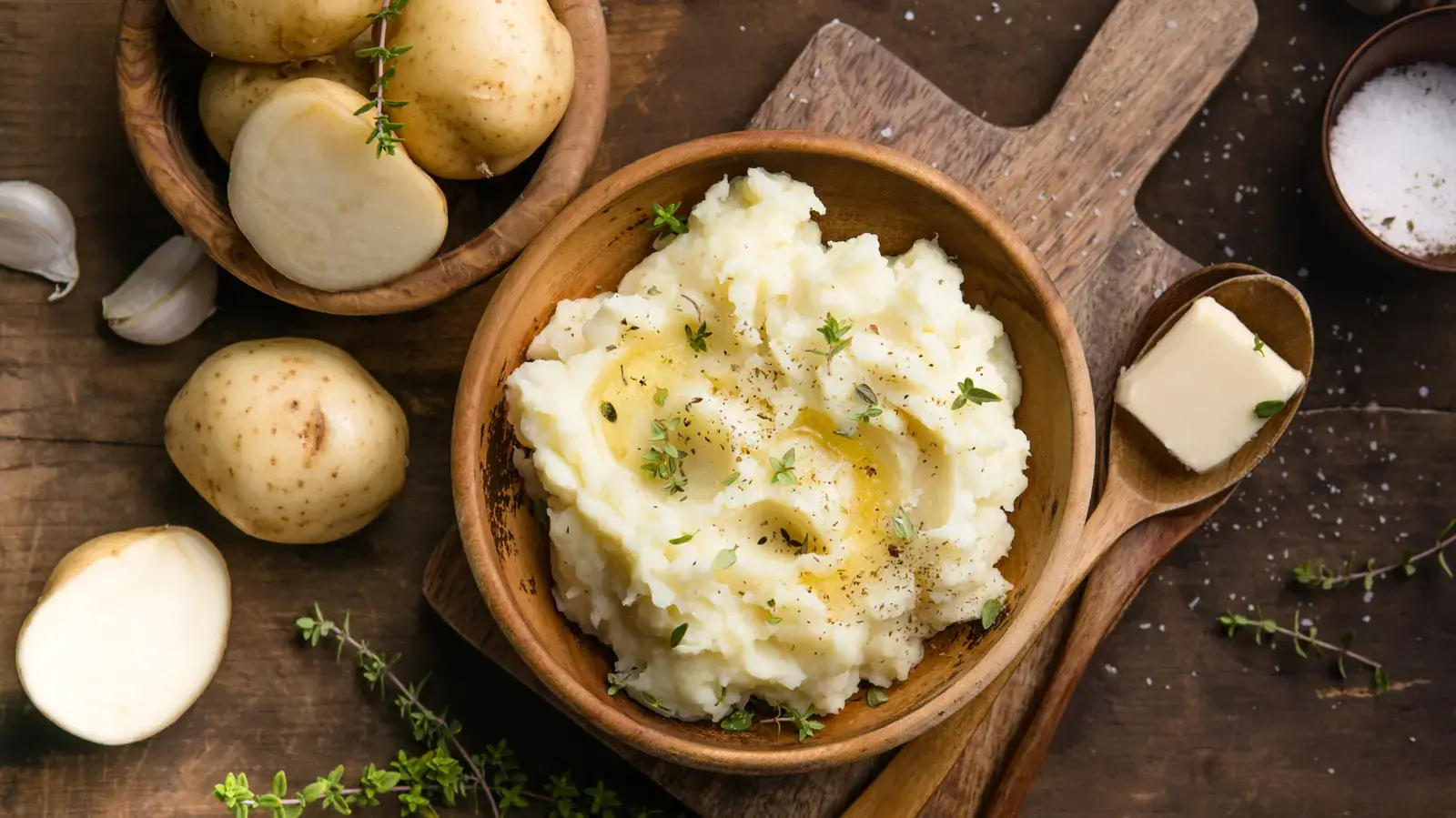
Give Mashed Potatoes a Spicy, Smoky Twist with an Affordable Canned Ingredient
How a Canned Ingredient Transforms Classic Mash
A simple mashed potato dish can feel stale after a few weeks. A single pantry staple can transform the flavor, adding heat and depth without extra cost or effort. Chefs and home cooks alike are discovering that a can of a particular ingredient can elevate a humble side into a standout accompaniment.
Latest news
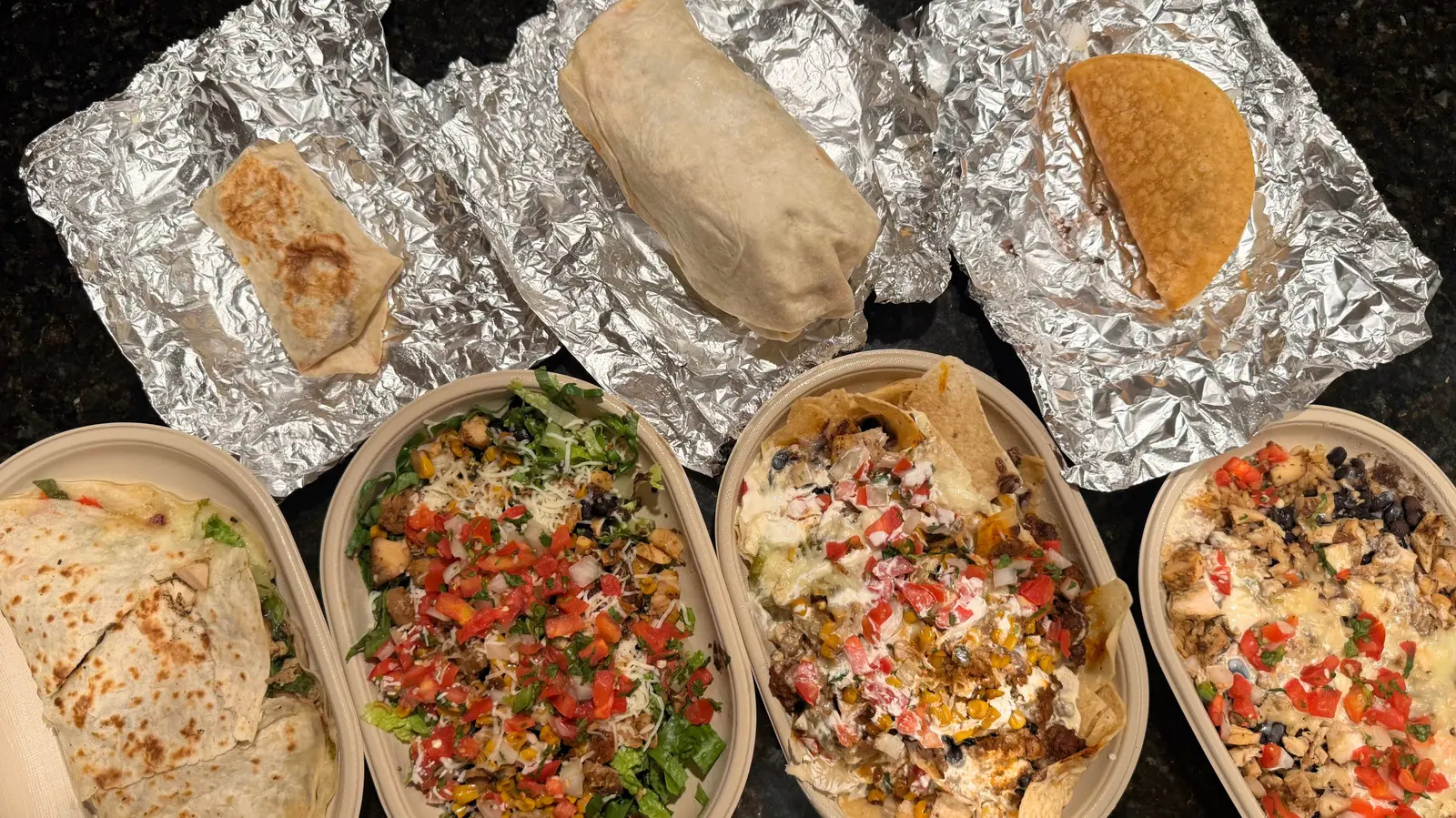 Moe's Southwest Grill Menu Items Ranked from Worst to Best
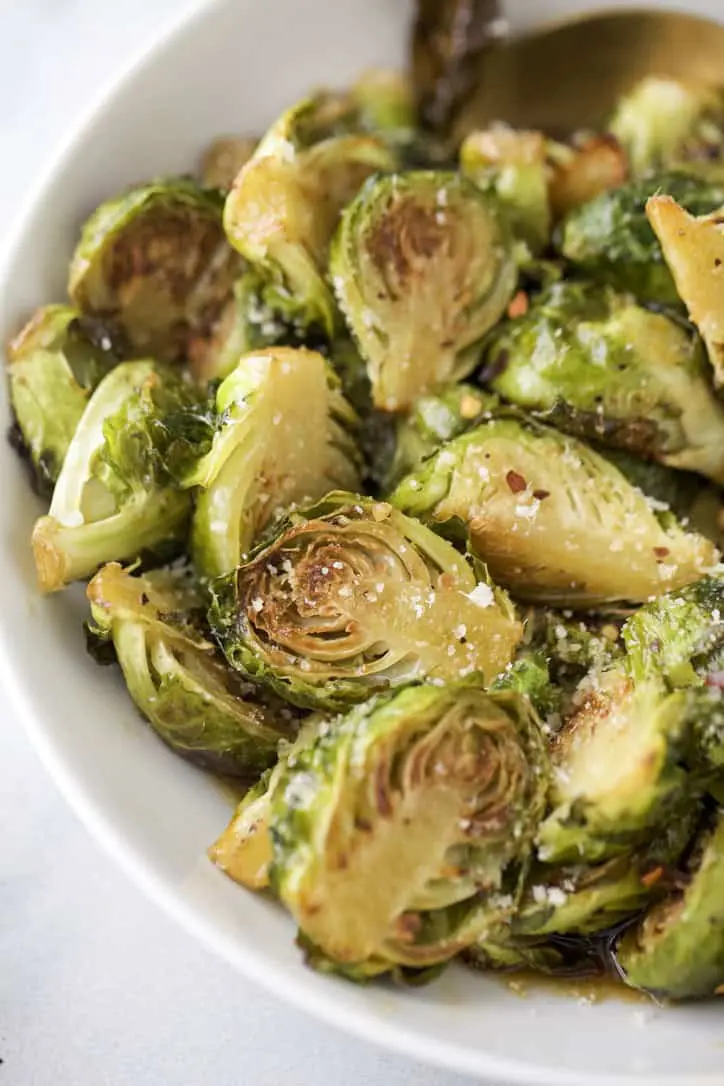 Hot Honey Brussels Sprouts: A Sweet‑Spicy Side That Turns Heads
 Turn Your Pasta Sauce Into a Nutritional Powerhouse
 West Coast IPAs vs East Coast IPAs: A Flavor Battle Across the United States
The trick lies in a common canned item that many kitchens already stock. By adding a small amount to the mash, the potatoes gain a smoky, peppery undertone that pairs well with grilled meats, roasted vegetables, and hearty stews. The method is straightforward: simmer the potatoes with the canned product, mash, and season to taste. The result is a creamy, flavorful base that feels fresh and exciting.
The secret component is a can of a smoky, slightly sweet product that is inexpensive and widely available. When incorporated into the mash, it releases subtle flavors that mimic the taste of a slow‑cooked barbecue sauce. The result is a dish that feels both comforting and adventurous. Chefs note that the addition reduces the need for extra butter or cream, allowing the potatoes’ natural sweetness to shine through.
Can You Make It at Home Without the Canned Item?
The technique works best when the canned ingredient is heated gently, allowing its flavors to meld with the starch. A pinch of salt and pepper completes the profile. The texture remains smooth, while the smoky notes linger on the palate. This simple adjustment can turn a standard side into a conversation starter at dinner parties or family gatherings.
Many home cooks wonder whether the same effect can be achieved without the canned product. The answer is yes, but it requires more time and ingredients. A homemade version would involve slow‑cooking tomatoes, smoked paprika, and a touch of brown sugar to replicate the canned flavor. This process can take an hour or more, making the canned option a convenient shortcut. For those who prefer a homemade approach, the result is still delicious but demands a longer preparation period.
The canned ingredient’s popularity stems from its versatility. It can be used in soups, sauces, and even as a glaze for meats. Its ability to add depth to simple dishes without overpowering them makes it a favorite among chefs who value efficiency and flavor.
What Happens When You Add This Ingredient to Your Meal Routine?
Incorporating this canned item into mashed potatoes can change the way diners perceive a familiar dish. The smoky, spicy undertones encourage pairing with grilled or roasted proteins, enhancing the overall meal experience. Restaurants that have adopted the technique report increased customer satisfaction and repeat visits. Home cooks find that a single pantry item can elevate their weekly dinner routine, making ordinary meals feel special.
The trend also reflects a broader movement toward cost‑effective, flavor‑boosting pantry hacks. As consumers seek ways to stretch their food budgets while still enjoying gourmet flavors, simple pantry substitutions like this become increasingly popular. The result is a culinary landscape where creativity meets practicality, allowing anyone to craft restaurant‑quality dishes at home.
Frequently Asked Questions
How much canned ingredient should I add to the mash? Start with one tablespoon per pound of potatoes. Adjust to taste, adding more if you prefer a stronger smoky flavor.
Can I use a different type of canned product? While other canned sauces can add flavor, the specific smoky, slightly sweet profile of this ingredient is unique. Other options may not deliver the same depth.
Does the canned ingredient affect the texture of the potatoes? No. It blends smoothly, preserving the creamy consistency of traditional mashed potatoes while adding a new flavor dimension.
Content written by Isabelle Fontaine for fancy-meals.com editorial team, AI-assisted.