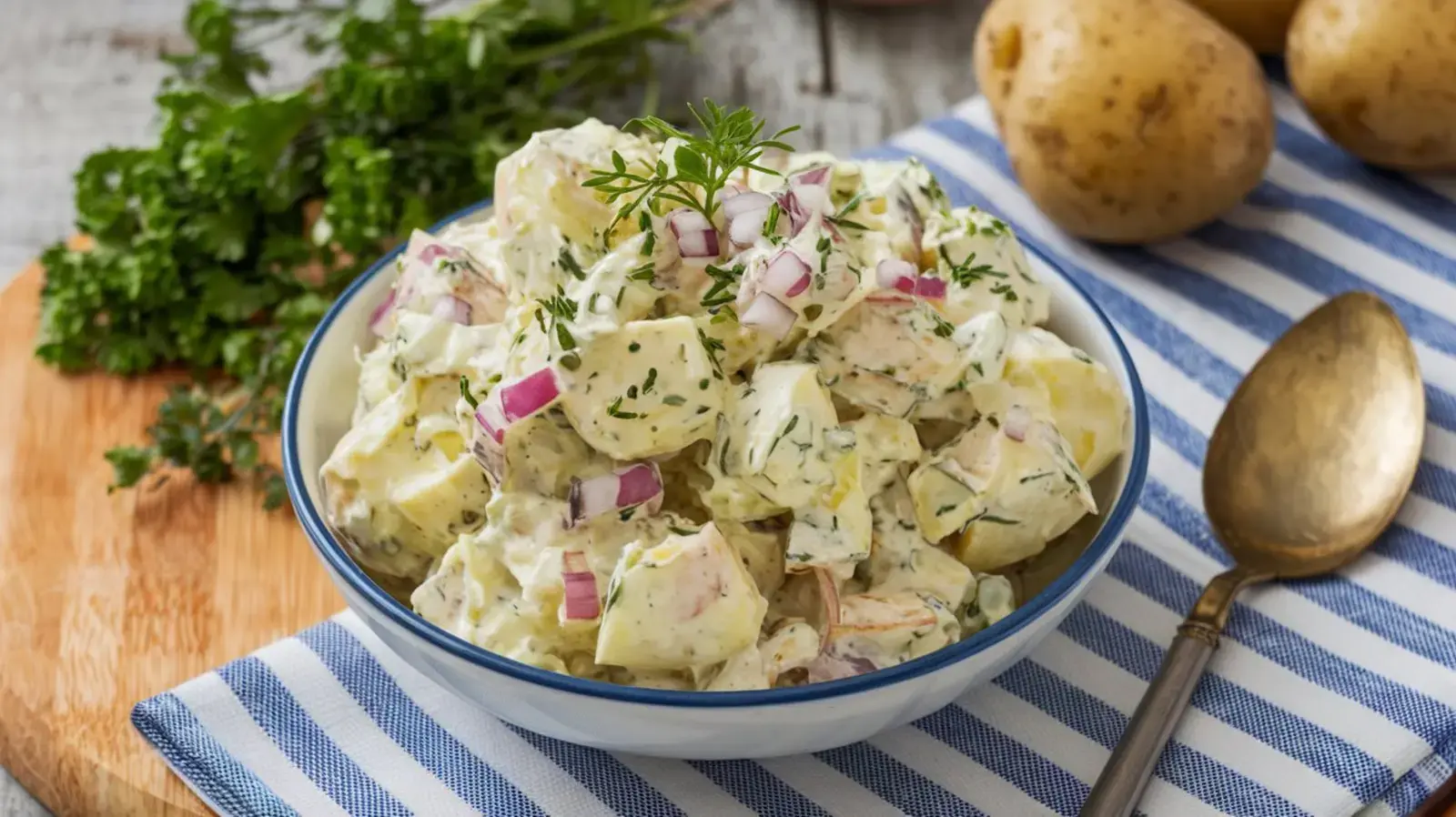
German Potato Salad Trick Elevates Flavor With Fermented Twist
Why Fermentation Beats Mayonnaise
Home cooks seeking a deeper flavor profile for their potato salads are turning to a traditional German technique involving fermented ingredients. This culinary shift moves beyond standard mayonnaise-based preparations to incorporate salty, tangy elements that transform the dish entirely. The method offers a robust alternative to typical American variations, which often rely heavily on creaminess and soft textures. By adopting this specific twist, diners can experience a significantly more complex taste profile without adding excessive calories or heavy dairy products to their meals.
Latest news
 Moe's Southwest Grill Menu Items Ranked from Worst to Best
 Hot Honey Brussels Sprouts: A Sweet‑Spicy Side That Turns Heads
 Turn Your Pasta Sauce Into a Nutritional Powerhouse
 West Coast IPAs vs East Coast IPAs: A Flavor Battle Across the United States
The core of this improvement lies in the use of fermented components, specifically sauerkraut or similar pickled vegetables. These ingredients introduce a sharp acidity that cuts through the starchiness of boiled potatoes. Unlike the smooth, uniform texture of a classic American potato salad, this version features distinct layers of flavor. The saltiness from the fermentation process enhances the natural taste of the potatoes themselves. This approach aligns with broader culinary trends where chefs emphasize umami and acidity over fat for depth.
Can Any Home Cook Master This Technique?
Traditional potato salad recipes frequently depend on large quantities of mayonnaise to bind ingredients and provide richness. While effective for texture, this method can mask the subtle flavors of the potatoes and other add-ins. German-style preparation prioritizes balance. Instead of coating every potato in creamy dressing, the fermented element acts as a seasoning agent. It provides a zesty kick that wakes up the palate. This technique is particularly effective when paired with hard-boiled eggs, a common component in many regional variations. The contrast between the soft egg yolk and the crisp, sour fermented vegetable creates a dynamic eating experience. Critics of the traditional style argue that it lacks vibrancy. Proponents of the German twist counter that it respects the integrity of the main ingredient while adding necessary complexity.
Yes, the process is accessible even for novice cooks. No specialized equipment is required beyond standard kitchen tools. The key is selecting high-quality fermented ingredients. Store-bought sauerkraut works well, though homemade versions offer superior control over salt levels. Timing is crucial; adding the fermented component too early can overpower the dish. Chefs recommend mixing it in just before serving. This ensures the flavors remain distinct rather than blending into a single mass. The result is a salad that feels fresh and lively. It appeals to those who find standard potato salad bland or overly heavy. This adaptability makes it a versatile addition to any summer menu or holiday table.
Does this method require specific potato varieties? No, most waxy potatoes work well for this style. Red or Yukon Gold varieties hold their shape better during boiling, preventing the salad from becoming mushy. Avoid starchy Russets if you want firm pieces.
Frequently Asked Questions
Can I substitute other fermented foods for sauerkraut? Yes, pickled beets or fermented mustard can provide similar tangy notes. However, sauerkraut remains the traditional choice due to its texture and mild cabbage flavor. Experimentation is encouraged based on personal preference.
How long does the salad keep in the refrigerator? It lasts for three to four days when stored in an airtight container. The flavors actually improve after sitting for twenty-four hours, allowing the ingredients to meld together fully.
Content written by [email protected] (Hilary Wheelan Remley) for fancy-meals.com editorial team, AI-assisted.