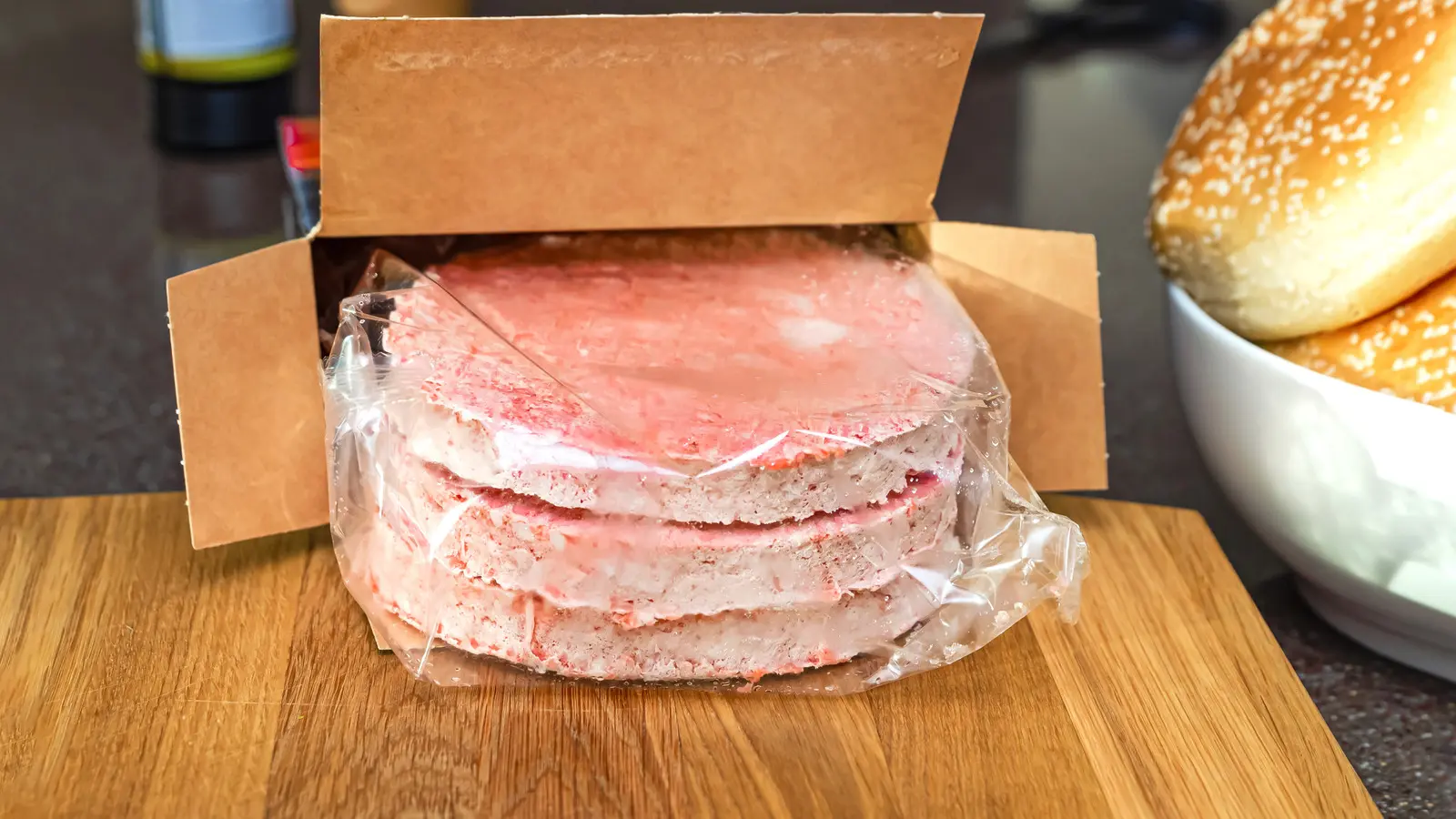
Frozen Patties: Which Beef Cuts Make the Mix?
How the Cuts Are Processed
People often pick frozen burgers in the freezer aisle without knowing which parts of the cow end up in their patty. The reality is that manufacturers combine several cuts, not just the leanest ones, to achieve the right balance of flavor, texture, and fat content.
Latest news
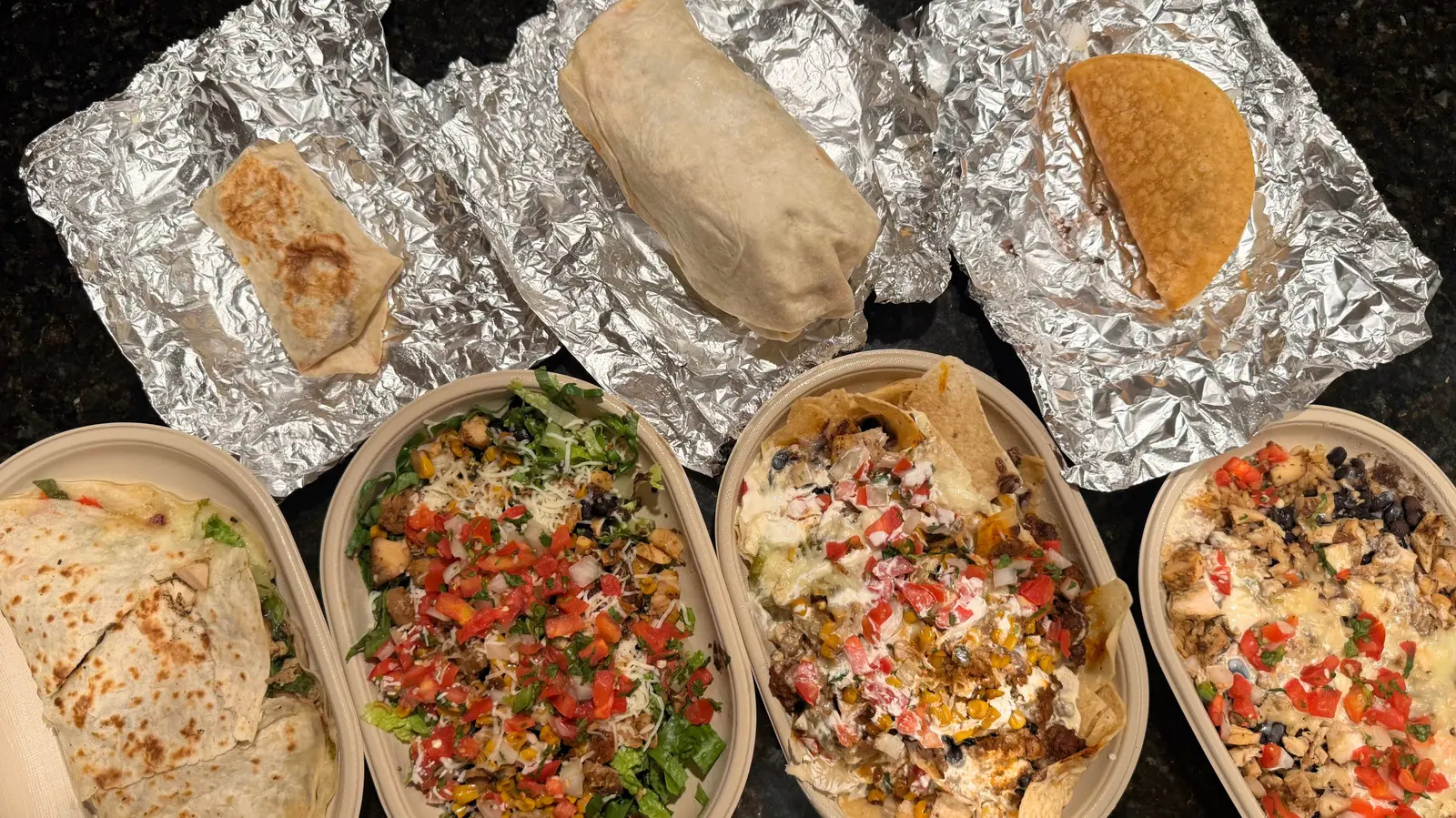 Moe's Southwest Grill Menu Items Ranked from Worst to Best
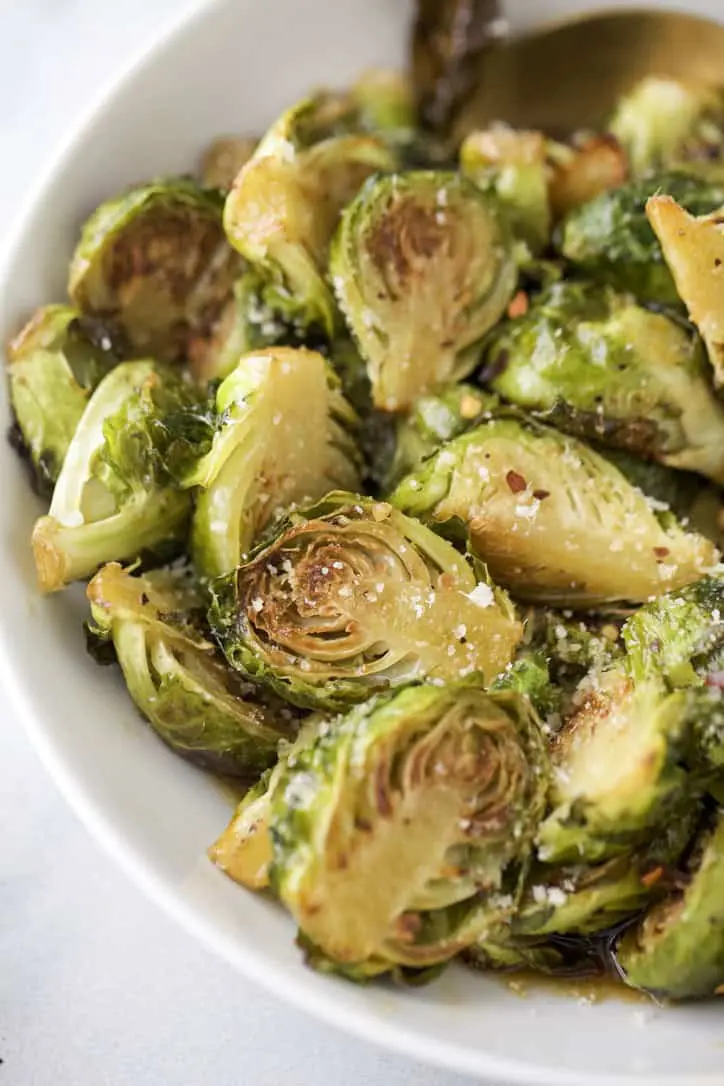 Hot Honey Brussels Sprouts: A Sweet‑Spicy Side That Turns Heads
 Turn Your Pasta Sauce Into a Nutritional Powerhouse
 West Coast IPAs vs East Coast IPAs: A Flavor Battle Across the United States
The blends used in frozen patties vary by brand, but most include a mix of chuck, round, and brisket. These cuts are chosen for their ability to stay tender after cooking and to provide a consistent mouthfeel. The fat from chuck gives moisture, while the leaner round adds structure. Brisket contributes a subtle beefy flavor that many consumers appreciate.
Why Consumers Should Care About the Blend
The process starts with trimming each cut to remove excess fat and connective tissue. The trimmed meat is then ground to a uniform particle size, typically between 3mm and 5mm. After grinding, the meat is seasoned with salt, pepper, and sometimes a small amount of spice blend. The mixture is then formed into patties, weighed, and packaged. Some producers use a „blend” that includes a small percentage of ground pork or poultry to adjust texture and cost.
The choice of cuts also affects shelf life. Chuck and brisket have higher fat content, which can oxidize and spoil faster. To counteract this, manufacturers often add antioxidants or vacuum seal the patties. This helps maintain flavor and color during storage at sub‑zero temperatures.
The blend of cuts determines not only taste but also nutritional profile. A patty that relies heavily on chuck will contain more saturated fat, whereas one that uses more round will be leaner. Health-conscious shoppers may look for labels that specify „70% lean” or „no added fillers.” In recent years, a trend toward „clean label” products has led some brands to list each cut used, giving consumers clearer insight into what they’re eating.
What the Future Holds for Frozen Patties
Another factor is cost. Chuck is cheaper than premium cuts, so brands that use more chuck can offer a lower price point. However, consumers who prioritize flavor may be willing to pay extra for patties that use a higher proportion of brisket or ribeye.
As demand for plant‑based and alternative proteins rises, the market for traditional beef patties is evolving. Some companies are experimenting with „flexible” blends that include a small percentage of plant‑based fillers to reduce cost and environmental impact. Others are investing in precision grinding technology to create a more uniform texture that mimics fresh beef. While the core cuts—chuck, round, and brisket—are unlikely to disappear, the way they are combined and processed will continue to shift.
What is the most common cut used in frozen burgers? Chuck is the most common, providing the right balance of fat and flavor.
Frequently Asked Questions
Can I find a label that tells me exactly which cuts are in my patty? Yes, some brands now list each cut on the packaging, though it’s not universal.
Will a higher lean percentage mean a better taste? Not necessarily. Higher lean can make the patty drier; many consumers prefer a bit of fat for juiciness.
Content written by [email protected] (Luna Regina) for fancy-meals.com editorial team, AI-assisted.