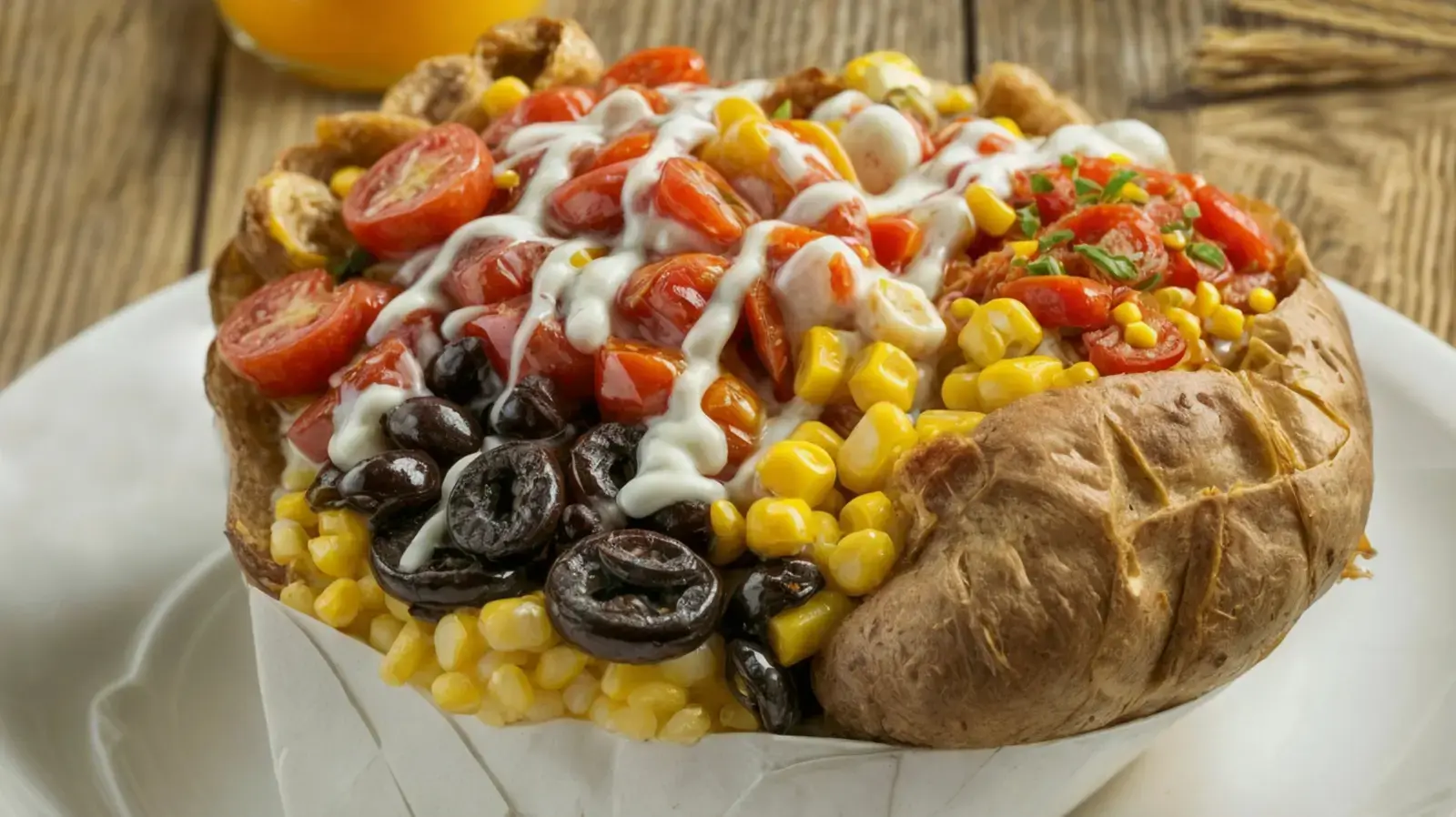
For The Most Filling And Flavorful Baked Potatoes, Load Them Up Turkish Style
How Does Yogurt Change the Texture of a Loaded Potato?
A simple baked potato transforms into a hearty meal when prepared Turkish style, featuring layers of seasoned meat, creamy yogurt, and aromatic spices. This approach, rooted in Anatolian home cooking, elevates the humble spud with rich textures and bold flavors. Food writers note the method gained attention online in late 2026 as home cooks sought satisfying, globally inspired comfort food. The technique combines traditional Turkish elements with the familiar baked potato format for a filling, one-dish solution.
Latest news
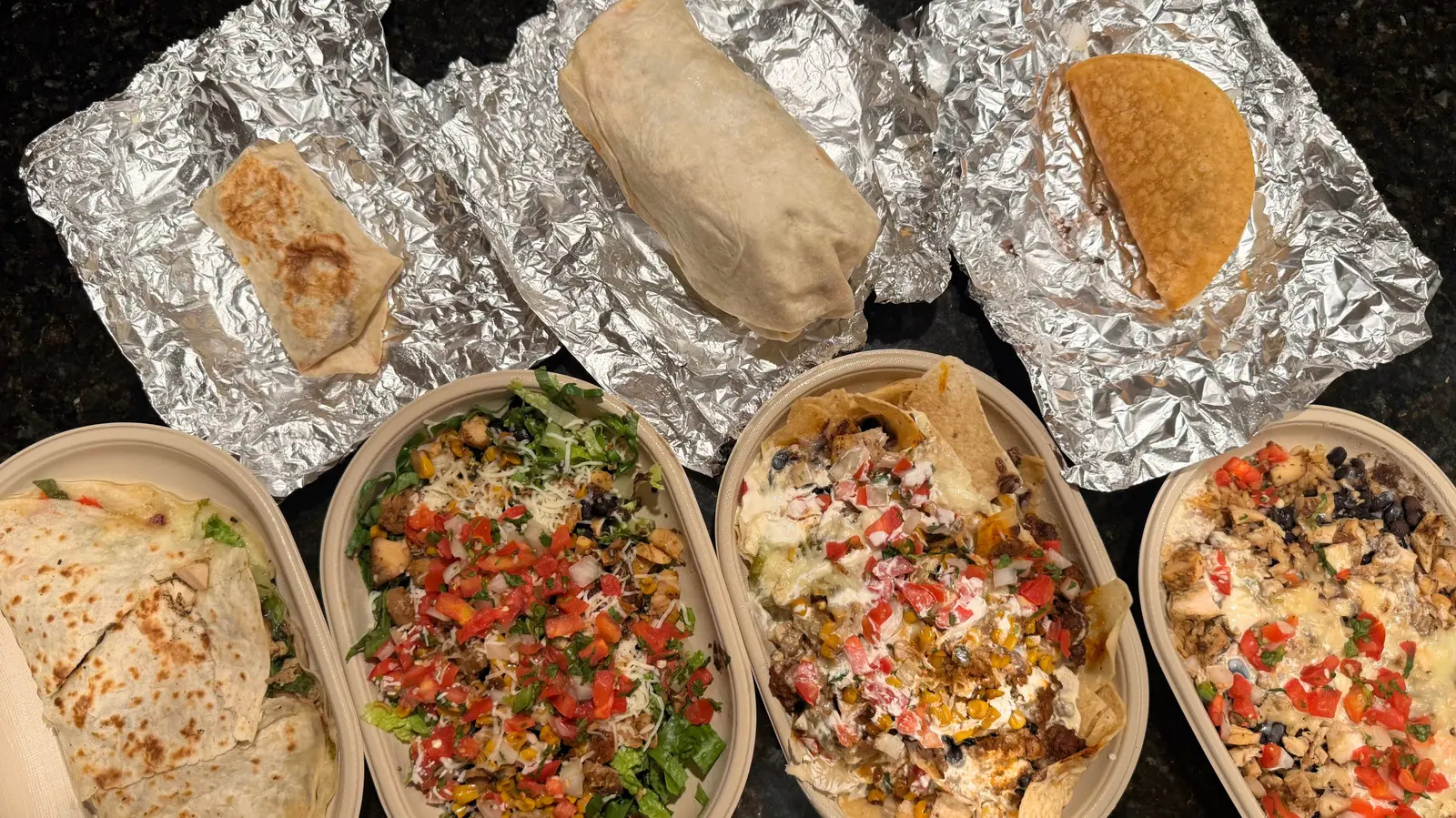 Moe's Southwest Grill Menu Items Ranked from Worst to Best
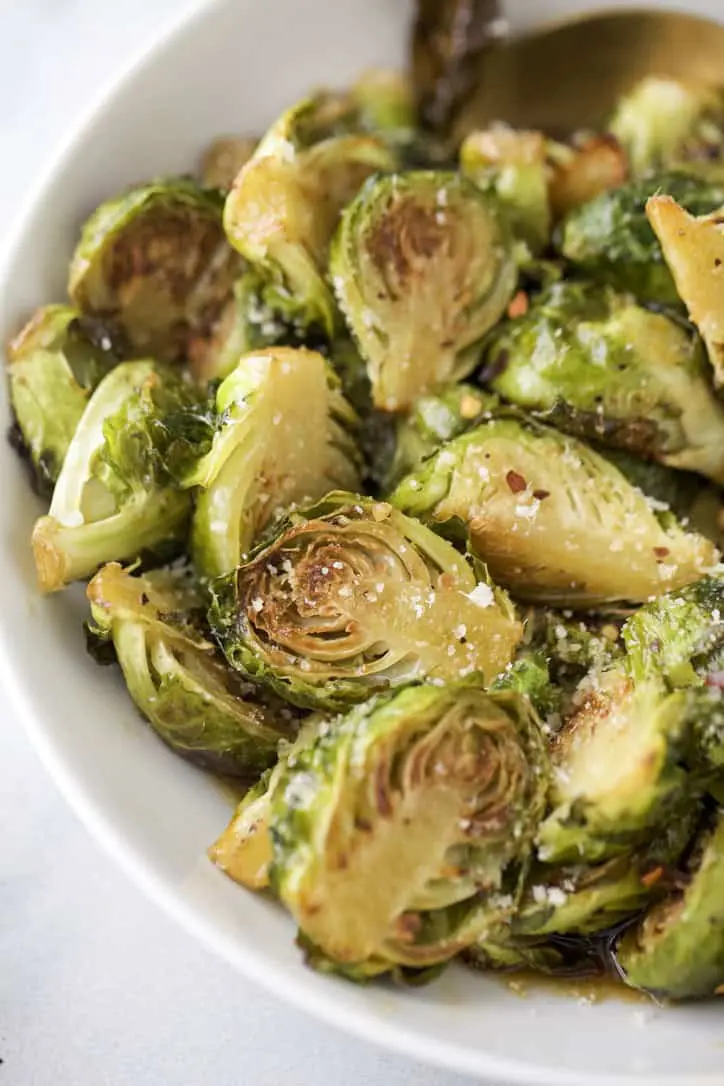 Hot Honey Brussels Sprouts: A Sweet‑Spicy Side That Turns Heads
 Turn Your Pasta Sauce Into a Nutritional Powerhouse
 West Coast IPAs vs East Coast IPAs: A Flavor Battle Across the United States
Turkish-style loaded potatoes typically begin with a large russet baked until tender, then split and filled with a mixture of sautéed ground lamb or beef, onions, garlic, and spices like cumin and paprika. A generous dollop of thick, strained yogurt—often mixed with mint or dill—adds cool creaminess that balances the warm, savory filling. Some versions include a drizzle of melted butter infused with Aleppo pepper for subtle heat. The dish is finished with fresh herbs and sometimes a sprinkle of sumac for tanginess. Home cooks appreciate how the yogurt prevents dryness while enhancing richness without heaviness.
The use of strained yogurt introduces a tangy creaminess that cuts through the richness of the meat and butter, creating a more complex mouthfeel than sour cream or cheese alone. Its slight acidity brightens the dish, while its thick consistency helps bind the filling without making it gluey. Unlike melted cheese, yogurt maintains a cool contrast against the hot potato and meat, improving overall balance. This technique reflects a broader Turkish culinary principle of using dairy to temper and enhance spiced meats.
What Makes This Approach More Filling Than Typical Toppings?
By incorporating protein-rich meat and fiber from the potato skin, the dish delivers sustained energy compared to toppings like butter and chives, which offer mostly fat and minimal substance. The combination of complex carbohydrates, animal protein, and fermented dairy creates a nutritionally balanced meal that satisfies hunger longer. One home cook testing the method reported feeling full for hours after eating just one stuffed potato, noting it replaced the need for a separate side dish. The layered approach turns a side into a complete entrée.
The Turkish-inspired loaded potato offers a flavorful alternative to conventional preparations, appealing to those seeking global flavors without complicated techniques. As interest in accessible international cooking grows, this method may inspire further adaptations using regional spices or alternative proteins like chickpeas for vegetarian versions. Its success lies in transforming a basic staple into a culturally rooted, satisfying meal that respects both tradition and practical home cooking.
Frequently Asked Questions
What type of yogurt works best for this recipe? Thick, strained yogurt such as Greek or Turkish labneh is ideal because it holds its shape and provides tang without excess moisture. Regular yogurt can make the filling watery if not drained first.
Can I use chicken instead of lamb or beef? Yes, ground chicken works well when seasoned similarly with cumin, paprika, and garlic, though it may benefit from a touch of olive oil to compensate for lower fat content.
Is it necessary to bake the potato first? Baking ensures the potato is fully cooked and fluffy inside, which is essential for splitting and stuffing; microwaving may result in uneven texture and less desirable skin.
Content written by [email protected] (Tim Forster) for fancy-meals.com editorial team, AI-assisted.