Crispy Skin Chicken Thighs with Lemon and Herbs
The Science Behind a Crackling Crust
Chefs sear bone‑in, skin‑on chicken thighs in a hot skillet, leaving them untouched for seven minutes to render fat and achieve a crackling crust. After flipping for five minutes, garlic is added briefly, then the pan is deglazed with broth and lemon juice.
Latest news
 Moe's Southwest Grill Menu Items Ranked from Worst to Best
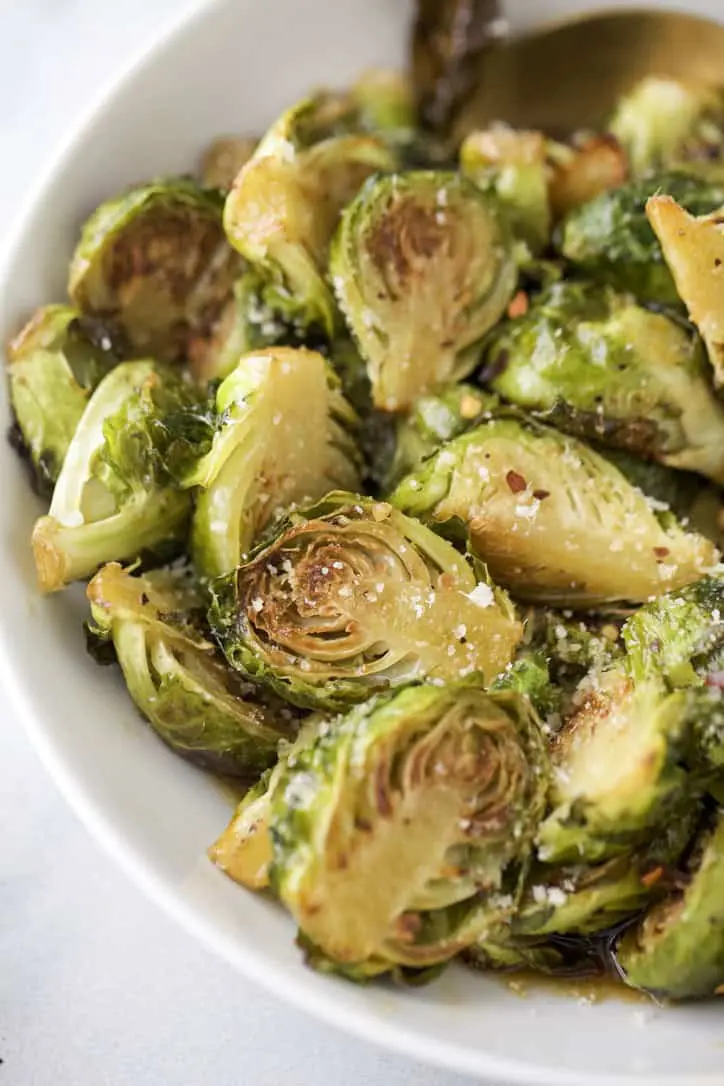 Hot Honey Brussels Sprouts: A Sweet‑Spicy Side That Turns Heads
 Turn Your Pasta Sauce Into a Nutritional Powerhouse
 West Coast IPAs vs East Coast IPAs: A Flavor Battle Across the United States
Placing the thighs skin‑side down in a preheated pan allows the fat to melt slowly, creating a crunchy exterior that holds up to the final sear. The seven‑minute pause is crucial; any movement traps steam and softens the skin. After the initial sear, the pieces are turned and cooked for another five minutes, then garlic is tossed in for a brief moment before the broth and lemon juice deglaze the pan, lifting browned bits and adding brightness.
During the first seven minutes the skin makes full contact with the hot metal, allowing rendered fat to flow away from the surface. This steady heat evaporates moisture, so the skin dries and becomes crisp rather than merely browned. The uninterrupted contact is why the crust turns genuinely crunchy, a texture that defines the dish.
How Does a Quick Deglaze Boost the Flavor Profile?
Adding garlic just before the deglaze introduces aromatic compounds that meld with the lemon‑infused broth. The broth lifts the caramelized bits from the pan, creating a sauce that coats the meat with citrus brightness and savory depth. This rapid technique preserves the garlic’s freshness while delivering a balanced, tangy finish that elevates the chicken.
Resulting in juicy meat beneath a crisp skin, the dish offers a satisfying contrast that works well for quick dinners or meal prep. The bright lemon broth can be spooned over rice, mashed potatoes, or roasted vegetables, extending its appeal beyond the plate.
Frequently Asked Questions
Why must the chicken be left undisturbed for seven minutes? Leaving the thighs untouched lets the skin stay in constant contact with the hot pan, allowing fat to render and moisture to evaporate. This uninterrupted exposure creates the crisp texture that characterizes the dish, while moving the pieces would trap steam and soften the skin.
What role does garlic play in the final steps? Garlic is added briefly just before the deglaze, allowing its aroma to infuse the broth without burning. The resulting scent adds depth to the lemon‑broth sauce, enhancing the overall flavor profile of the chicken.
Can this method work with other cuts of meat? Yes, bone‑in pieces such as drumsticks or thighs benefit from the same technique, though cooking times may need adjustment. The key is maintaining skin contact and allowing fat to render before flipping.
Content written by Honest Cooking for fancy-meals.com editorial team, AI-assisted.