Creamy Pasta Sauce Takes Over Mashed Potatoes, Leaving Gravy Behind
Why the Pasta Sauce Beats Gravy on a Cold Night
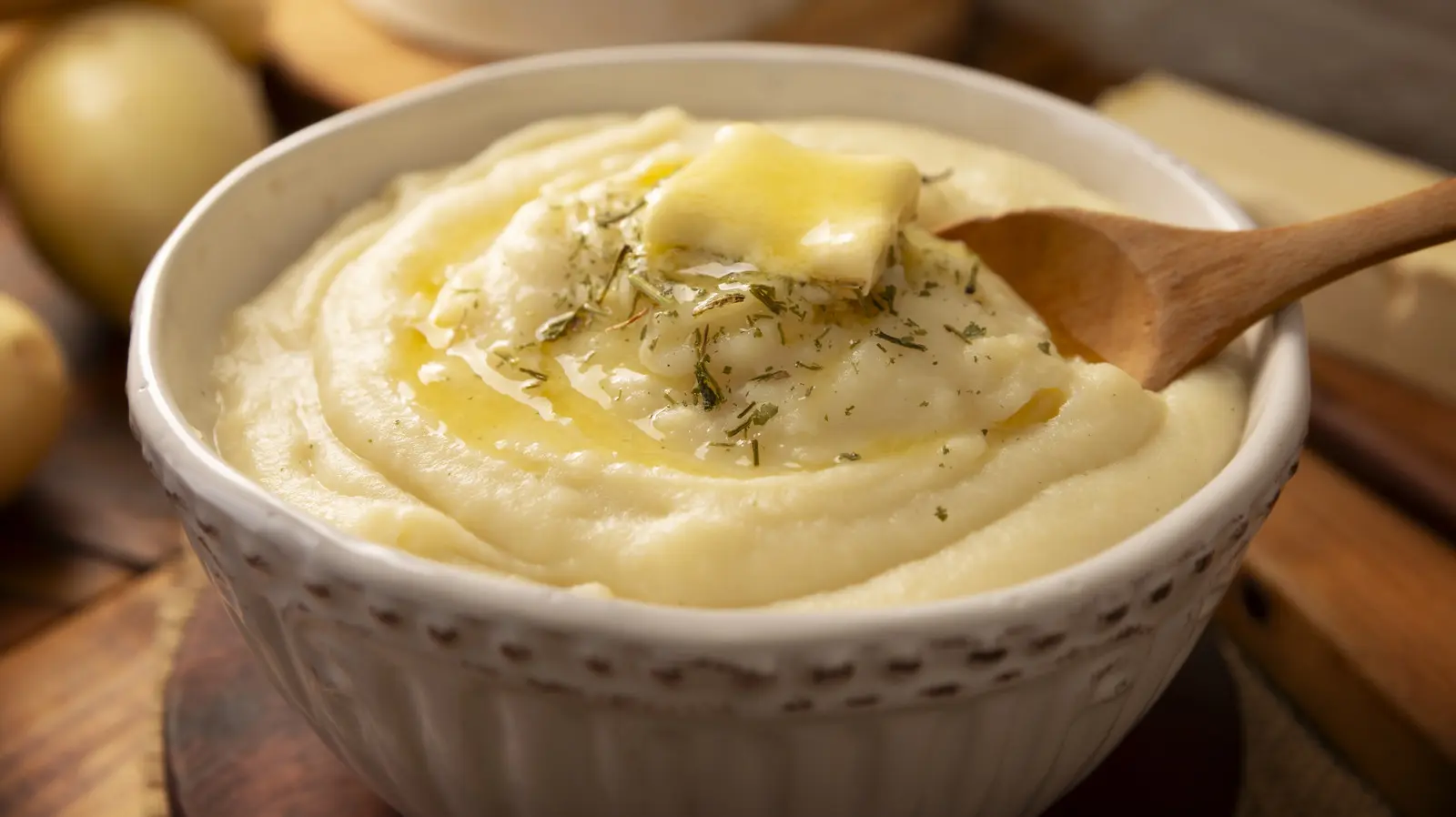
A new culinary trend is turning the classic comfort food—mashed potatoes—into a richer side dish by swapping traditional brown gravy for a velvety pasta sauce. Chefs across the United States are experimenting with the swap during the colder months, offering diners a smoother, more indulgent flavor profile that pairs well with everything from roasted meats to holiday roasts. The shift has already appeared on menus in family diners, upscale bistros, and home kitchens alike.
Latest news
 Anthony Bourdain’s Most Unforgettable Meals on „No Reservations”
 Mastering the Art of Perfect Pie Baking
 Chocolate Peppermint Whoopie Pies: Holiday Treats Made Easy With Boxed Mix
 Ree Drummond Shares 10 Tips for the Perfect Thanksgiving Turkey
The idea originated in a small Midwestern kitchen where a home cook, frustrated with the thin consistency of store‑bought gravy, blended a ready‑made alfredo sauce with a splash of cream and a pinch of garlic. The result was a glossy, buttery topping that clung to the potatoes without drowning them. Food writers note that the sauce’s dairy base adds a subtle richness that traditional gravy lacks, while the pasta sauce’s herbs—often parsley, thyme, or basil—introduce fresh aromatic notes. Nutritionists point out that the swap can increase calcium and protein content, though the higher fat level may not suit every diet.
The creamy sauce’s texture is smoother than the grainy, often salty gravy that can become watery when reheated. Its emulsified fats keep the potatoes warm longer, making it ideal for holiday gatherings where dishes sit out for extended periods. Moreover, the sauce’s versatility allows cooks to customize flavors: a hint of smoked paprika adds depth, while a dash of lemon zest brightens the palate. Restaurants report that guests are more likely to finish their plates when the potatoes are dressed in this richer topping, reducing food waste.
Can This Trend Replace Gravy in Traditional Recipes?
While many embrace the change, purists argue that gravy remains integral to certain regional dishes, such as Southern chicken‑and‑dumplings or British roast beef. However, the pasta‑sauce method offers a quick alternative for those lacking the time or ingredients to make a roux‑based gravy from scratch. Home cooks appreciate the convenience of using a jarred sauce as a base, then enhancing it with fresh herbs or a splash of white wine. The result is a dish that feels both familiar and novel, satisfying diners who crave comfort without sacrificing flavor innovation.
As the season progresses, the creamy sauce is likely to become a staple on dinner tables, especially as consumers seek new ways to enjoy classic sides. Chefs predict that the trend will expand beyond potatoes, finding its way onto cauliflower mash, polenta, and even grain bowls. The shift underscores a broader movement toward richer, more adaptable condiments that can elevate everyday meals without extensive preparation.
Frequently Asked Questions
Is the pasta sauce healthier than traditional gravy? It can provide more calcium and protein due to its dairy content, but it also contains more saturated fat. Choose low‑fat versions to balance nutrition.
Can I make the sauce from scratch? Absolutely. Melt butter, stir in flour, then whisk in milk, cream, and grated Parmesan until thickened. Add herbs to taste.
Will the sauce freeze well with mashed potatoes? Yes, both components freeze well separately. Reheat the sauce gently on the stove to prevent separation before mixing with the potatoes.