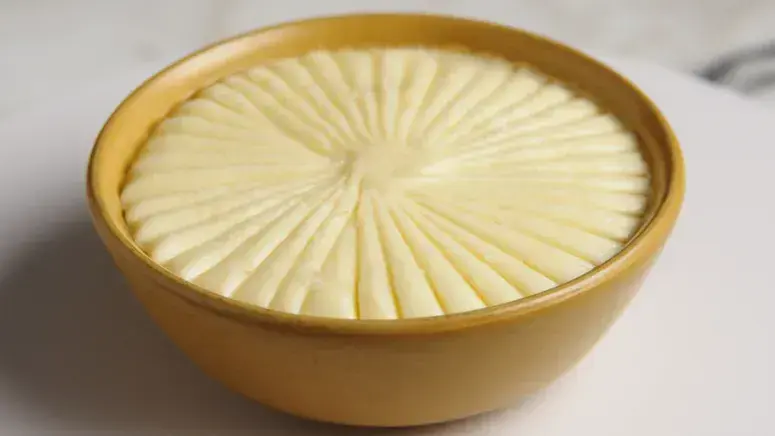
France's Silky‑Smooth Take on Mashed Potatoes
The Technique Behind the Silkiness
A French culinary tradition presents a refined version of mashed potatoes, known as Pommes Purée, offering a velvety texture that distinguishes it from rustic preparations. The dish, rooted in classic French cuisine, has gained attention among food enthusiasts for its elegant simplicity and buttery richness.
Latest news
 The Ultimate Homemade Chili Recipe for Cold Weather
 The Nutritional Power of Pumpkin Beyond Seasonal Desserts
 A Culinary Journey Through the 30th Epcot International Food and Wine Festival
 Burger King Unleashes Hello Kitty Kids' Meal with Ultra-Rare Golden Collectible
Pommes Purée is prepared by boiling peeled potatoes until tender, then passing them through a fine ricer or sieve. Warm butter and a splash of cream are folded in gently, creating a glossy, lump‑free puree. The method emphasizes patience and temperature control, ensuring a silk‑smooth mouthfeel that sets the dish apart.
Chefs begin by selecting starchy varieties such as Bintje or Charlotte, which break down easily. After boiling, the potatoes are pressed through a ricer while still hot, allowing the starch to expand. A small amount of butter and cream is incorporated off the heat, preventing curdling and preserving the airy texture.
Why Do French Chefs Favor This Method?
In France, the silky consistency complements rich meat dishes and sauces, balancing flavors without overwhelming them. The method also reflects a broader culinary ethos that values precision and refinement, making Pommes Purée a staple in both bistro menus and home kitchens.
The popularity of Pommes Purée has spread beyond traditional bistros, appearing on contemporary restaurant menus and in cooking blogs worldwide. As home cooks seek restaurant‑quality results, the demand for precise tools like ricers and high‑fat dairy products is rising, suggesting the dish will remain a beloved French classic for years ahead.
Frequently Asked Questions
What type of potatoes are best for Pommes Purée? Starchy potatoes such as Bintje, Charlotte or Russet work best because they break down easily and create a smooth texture. Waxy varieties tend to stay firm and can produce lumps.
How does the butter‑cream addition affect the final texture? Adding butter and cream while the potatoes are still warm helps the starches absorb fat, resulting in a glossy, velvety puree. The fat also prevents the mash from becoming gluey, preserving a light mouthfeel.
Can Pommes Purée be made ahead and reheated? Yes, the puree can be prepared in advance and stored in the refrigerator for up to two days. When reheating, gently warm it over low heat and stir in a splash of cream to restore its silky consistency.
Content written by Henry Cross for fancy-meals.com editorial team, AI-assisted.