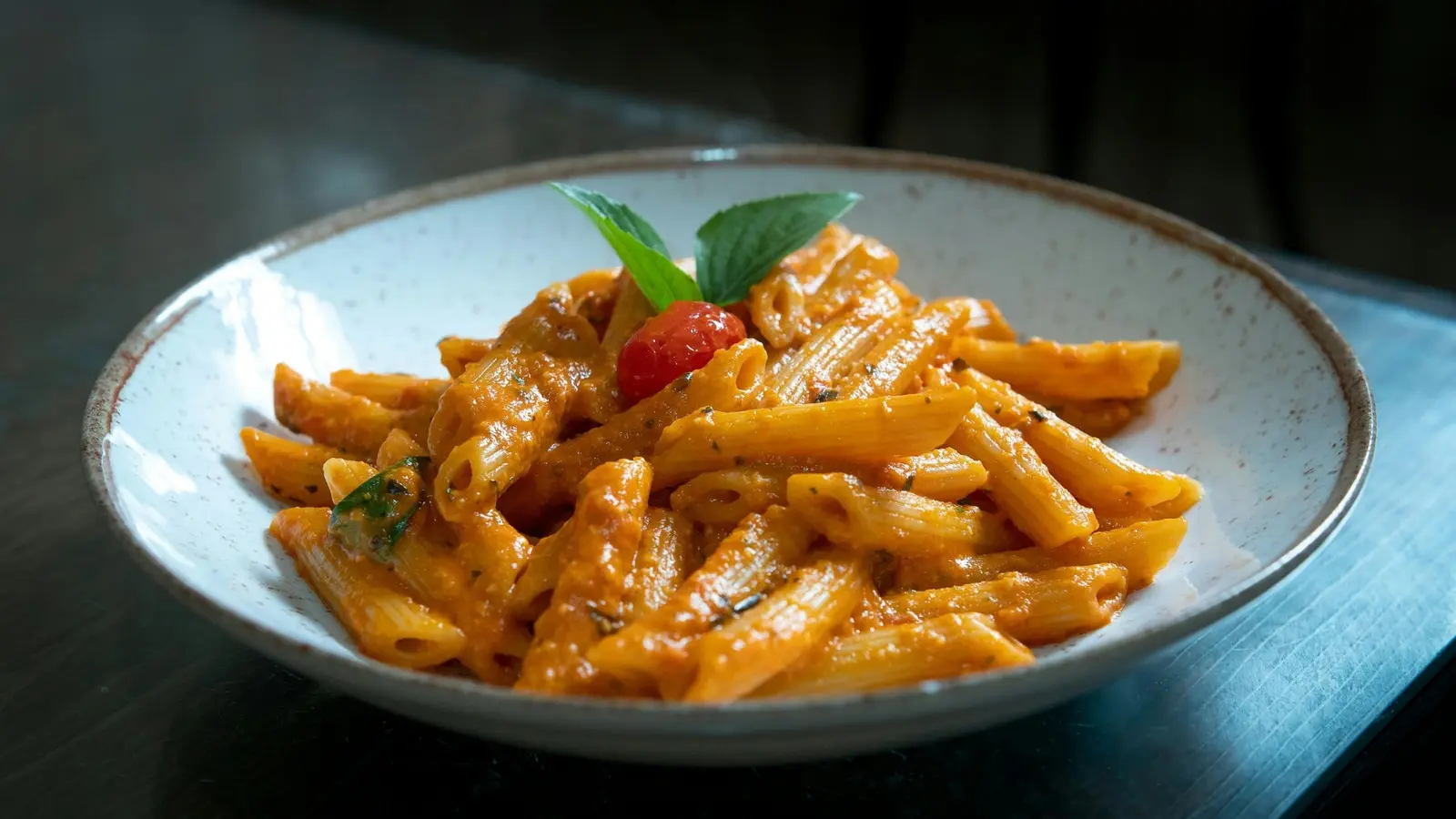
Creamy Pasta Sauce Gets a Boost from Ricotta Cheese, Not Parmesan
Why Ricotta Beats Parmesan for Creaminess
A quick kitchen tweak is turning ordinary pasta nights into silky, comforting meals. Food writer Megan Shoop‑Volz reports that swapping grated Parmesan for a dollop of ricotta cheese creates a velvety sauce that clings to noodles without the grainy texture of the hard cheese. The tip, shared on social media this week, works with any pasta shape and can be added at the end of cooking for an instant upgrade.
Latest news
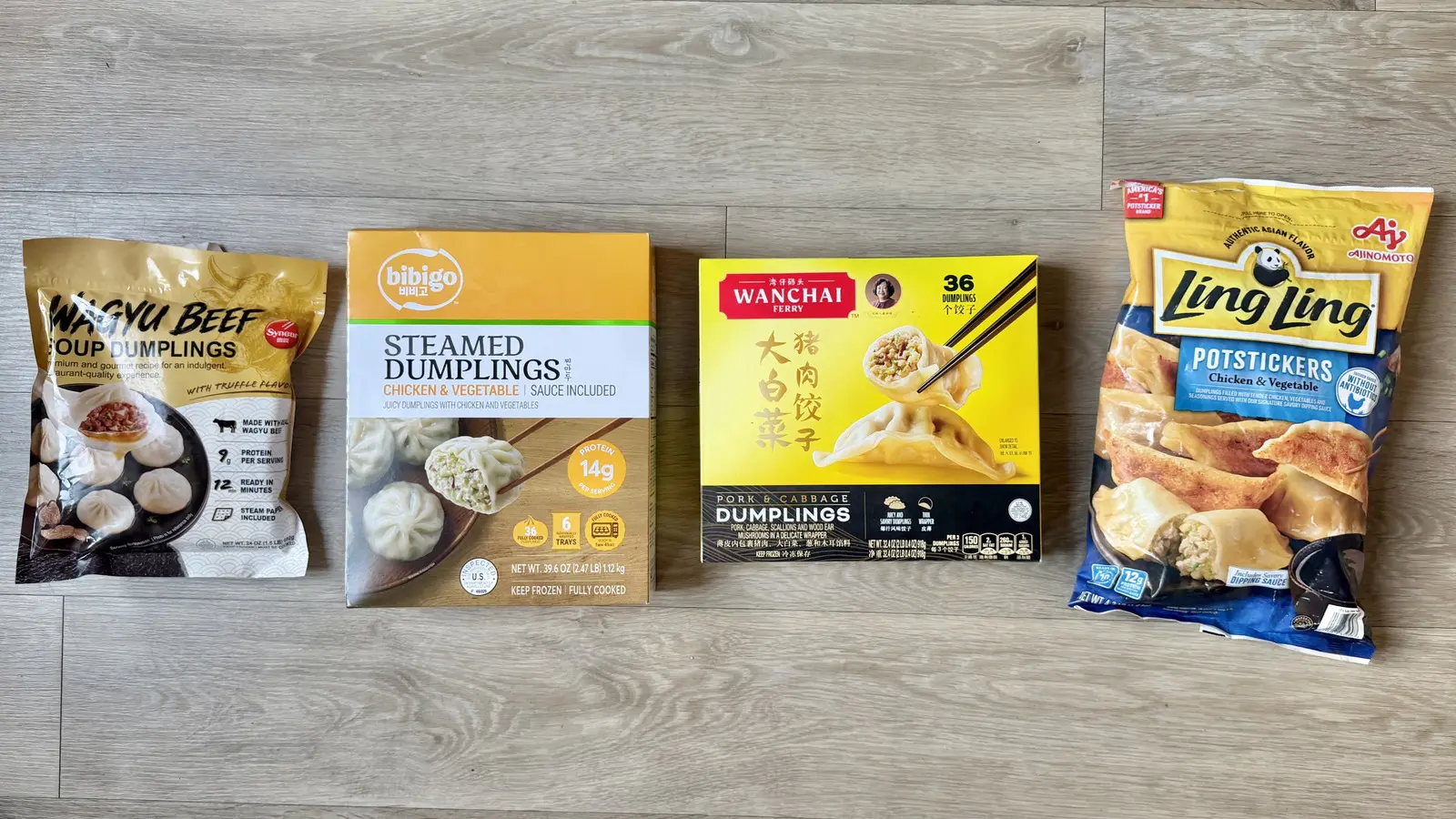 Costco's Frozen Dumpling Lineup, Ranked From Least To Most Tasty
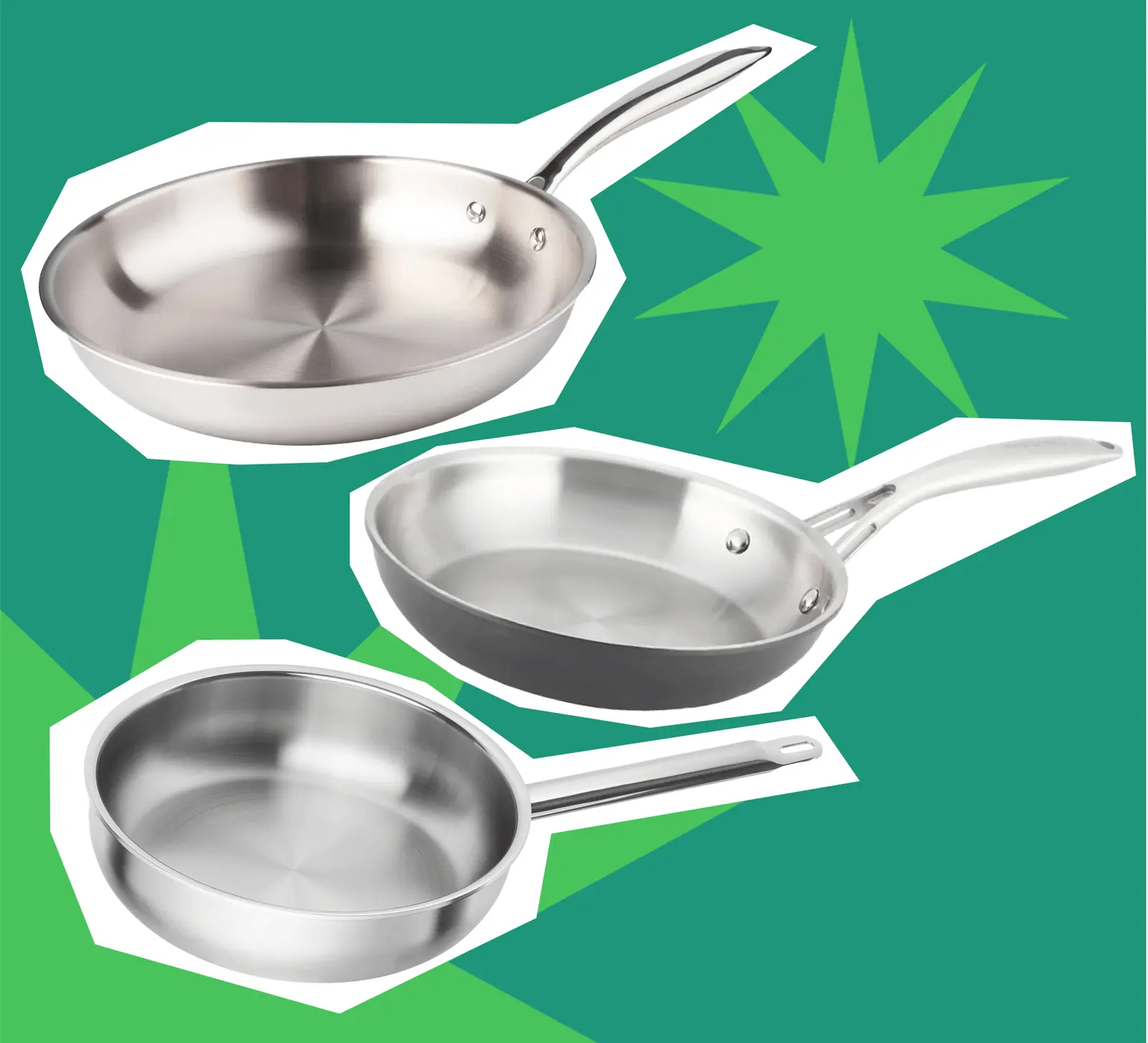 Best stainless-steel frying pans 2026: expert-tested picks for searing, eggs and daily cooking
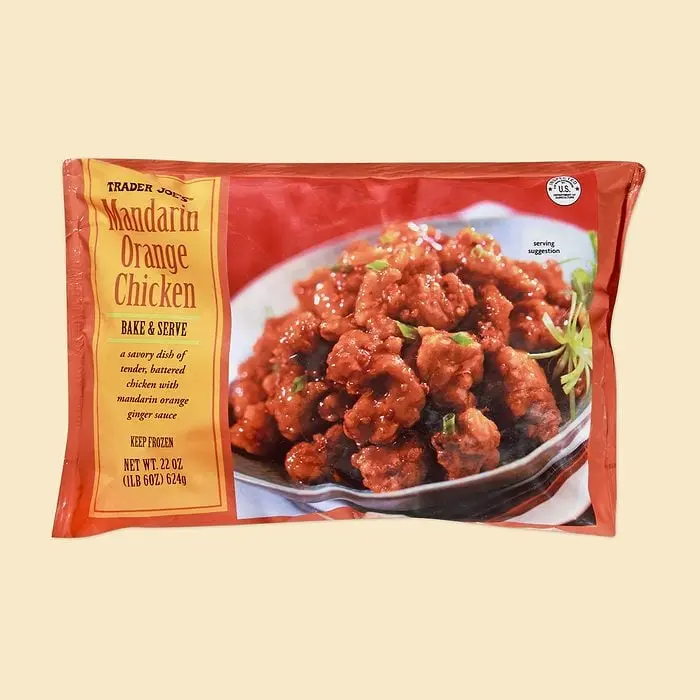 Trader Joe’s First‑Time Shopper Guide: Must‑Try Items
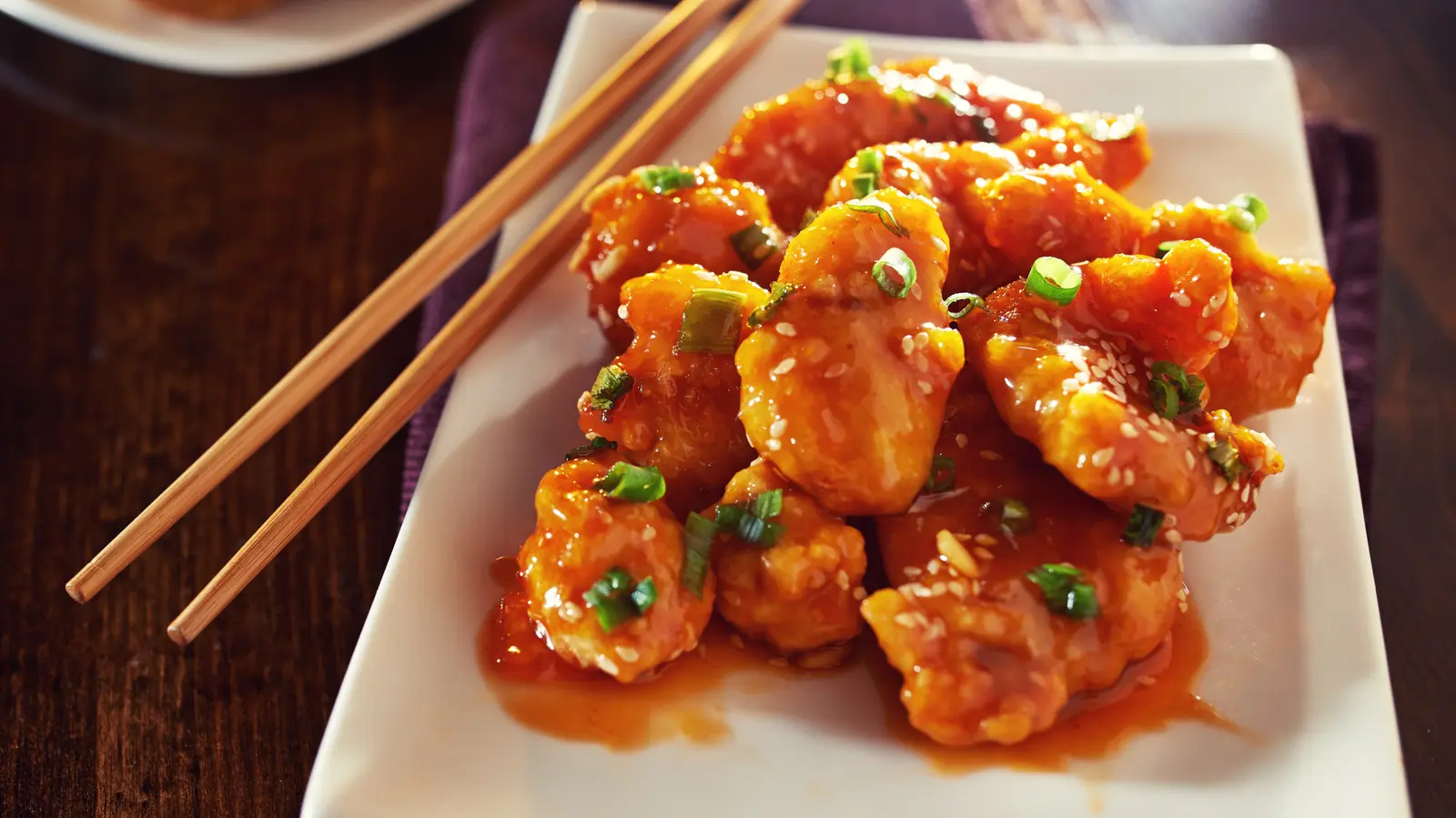 Panda Express vs P.F. Chang's: Which Orange Chicken Is Healthier?
Parmesan has long been the go‑to garnish for tomato‑based sauces, prized for its salty bite. Yet its granular nature can leave sauces feeling slightly gritty, especially when the cheese is sprinkled too early. Ricotta, by contrast, melts smoothly into the hot liquid, delivering a mild, milky richness that balances acidity without overpowering the dish. The method involves stirring a quarter‑cup of ricotta per two cups of sauce just before serving, allowing the cheese to melt and thicken the mixture in under a minute. Home cooks say the result is a sauce that feels luxurious yet remains easy to prepare.
The secret lies in the composition of the cheeses. Parmesan is a hard, aged cheese with low moisture, which means it adds flavor but little body. Ricotta is a fresh cheese made from whey, retaining high moisture and a soft curd structure. When heated, its proteins unwind gently, creating a smooth emulsion that coats each strand of pasta. Culinary experts note that the subtle sweetness of ricotta also tempers the sharpness of tomatoes, producing a balanced flavor profile.
Can This Simple Switch Elevate Everyday Meals?
Chef Antonio Marquez, who runs a popular downtown bistro, explained, „Adding ricotta at the end of the simmer gives the sauce a silk‑like texture that Parmesan can’t achieve. It’s a game‑changer for quick weeknight meals.” He adds that the technique works equally well with meat‑based ragùs and vegetarian marinara, making it a versatile tool for any home cook.
Many readers have tried the ricotta trick and reported noticeable improvements. One online forum thread highlighted that the addition reduces the need for extra oil or butter, keeping the dish lighter while still feeling indulgent. Nutritionists point out that ricotta provides calcium and protein, offering a modest health benefit over Parmesan’s higher sodium content.
The approach also aligns with current trends toward comfort food that doesn’t require elaborate preparation. As busy schedules dominate modern life, a handful of ricotta can transform a pantry staple into a restaurant‑quality plate in minutes.
The growing popularity of this tip suggests a shift in how home cooks think about cheese in sauces. Rather than relying on the familiar sharpness of Parmesan, more people are experimenting with softer cheeses to achieve texture and flavor harmony. Expect to see ricotta featured more often in cooking videos and recipe columns as the season progresses.
Frequently Asked Questions
Will ricotta work in a cold pasta salad? Yes, ricotta can be folded into a chilled sauce, but it will remain softer and less thick than when heated, adding a creamy tang without clumping.
Can I use low‑fat ricotta for the same effect? Low‑fat ricotta will still melt, though the sauce may be slightly less rich. Adding a splash of olive oil can compensate for the reduced fat.
Is this method suitable for gluten‑free pasta? Absolutely. The cheese interacts with the sauce, not the pasta, so any gluten‑free shape will benefit from the same creamy upgrade.
Content written by [email protected] (Megan Shoop-Volz) for fancy-meals.com editorial team, AI-assisted.