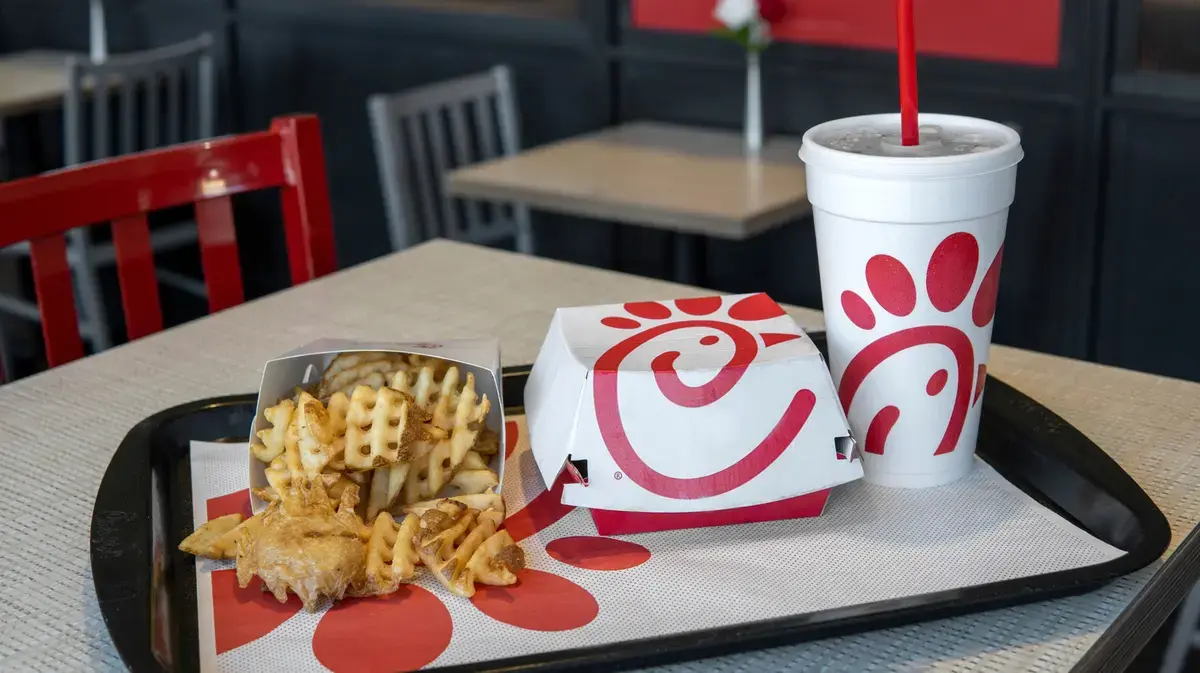
Chick‑fil‑A Remains Family‑Controlled in 2026, Led by the Cathy Descendants
The Cathy Family’s Corporate Structure
The fast‑food chain, founded in 1967 by S. Truett Cathy, stays under private family ownership as of 2026. Headquartered in Atlanta, Georgia, Chick‑fil‑A ranks as the third‑largest quick‑service brand in the United States by sales volume, driven by its distinctive chicken sandwich and strong regional loyalty.
Latest news
 The Ultimate Homemade Chili Recipe for Cold Weather
 The Nutritional Power of Pumpkin Beyond Seasonal Desserts
 A Culinary Journey Through the 30th Epcot International Food and Wine Festival
 Burger King Unleashes Hello Kitty Kids' Meal with Ultra-Rare Golden Collectible
Growth has been fueled by a blend of conservative expansion, a focus on customer service, and the Cathy family’s hands‑on governance. The company’s private status allows it to avoid shareholder pressure, preserving its core values and operational model. This structure also means that strategic decisions rest with a small group of family members rather than a broad public board.
Ownership rests with the Chick‑fil‑A Inc. holding company, which is largely held by the Cathy family through trusts and the WinShape Foundation. The foundation, established by Truett Cathy in 1984, supports charitable initiatives and also acts as a conduit for family equity. Because the company is not listed on any exchange, the family can retain tight control over voting rights and board composition.
Who Holds the Helm Today?
Financial reports show that the family’s stake exceeds 90 percent of total equity, with the remaining shares allocated to senior executives under long‑term incentive plans. This concentration of ownership enables the Cathys to dictate franchise policies, menu development, and corporate culture without external interference. Analysts note that the private model has helped maintain consistent profit margins despite rising labor costs across the industry.
Dan Cathy, son of the founder, stepped down as CEO in 2022, passing the role to his son, Dan Cathy Jr., who now serves as chief executive. Dan Jr. previously led the company’s supply‑chain division and brings a data‑driven approach to operations. Meanwhile, the board includes Truett’s daughters, Trudy Cathy Baker and Jill Cathy Miller, who oversee community outreach and the company’s charitable arm. Their combined experience reinforces the brand’s reputation for philanthropy and employee development.
The leadership team emphasizes continuity, citing the original „second‑to‑none” service standards set by Truett. In recent earnings calls, Dan Jr. highlighted plans to expand into new markets while preserving the family‑centric culture that differentiates Chick‑fil‑A from competitors. He also reaffirmed the company’s commitment to its „closed‑on‑Sunday” policy, a practice rooted in the founder’s religious convictions.
Looking ahead, the family’s control is expected to shape the chain’s strategic direction for the foreseeable future. Observers predict cautious geographic growth, especially in the Midwest and West Coast, paired with incremental menu innovation. The private ownership model may also shield Chick‑fil‑A from the volatility that public fast‑food chains face, allowing it to navigate economic shifts with a steady hand.
Frequently Asked Questions
Is Chick‑fil‑A still a family‑owned business? Yes. The Cathy family retains more than 90 percent of the company’s equity through trusts and the WinShape Foundation, keeping it privately held.
Who is the current CEO of Chick‑fil‑A? Dan Cathy Jr., the founder’s grandson, assumed the chief executive role in 2022 after serving as head of the supply‑chain division.
How does private ownership affect the chain’s operations? Being privately owned lets the family make long‑term decisions without quarterly earnings pressure, preserving its service ethos and charitable commitments.
Content written by Isabelle Fontaine for fancy-meals.com editorial team, AI-assisted.