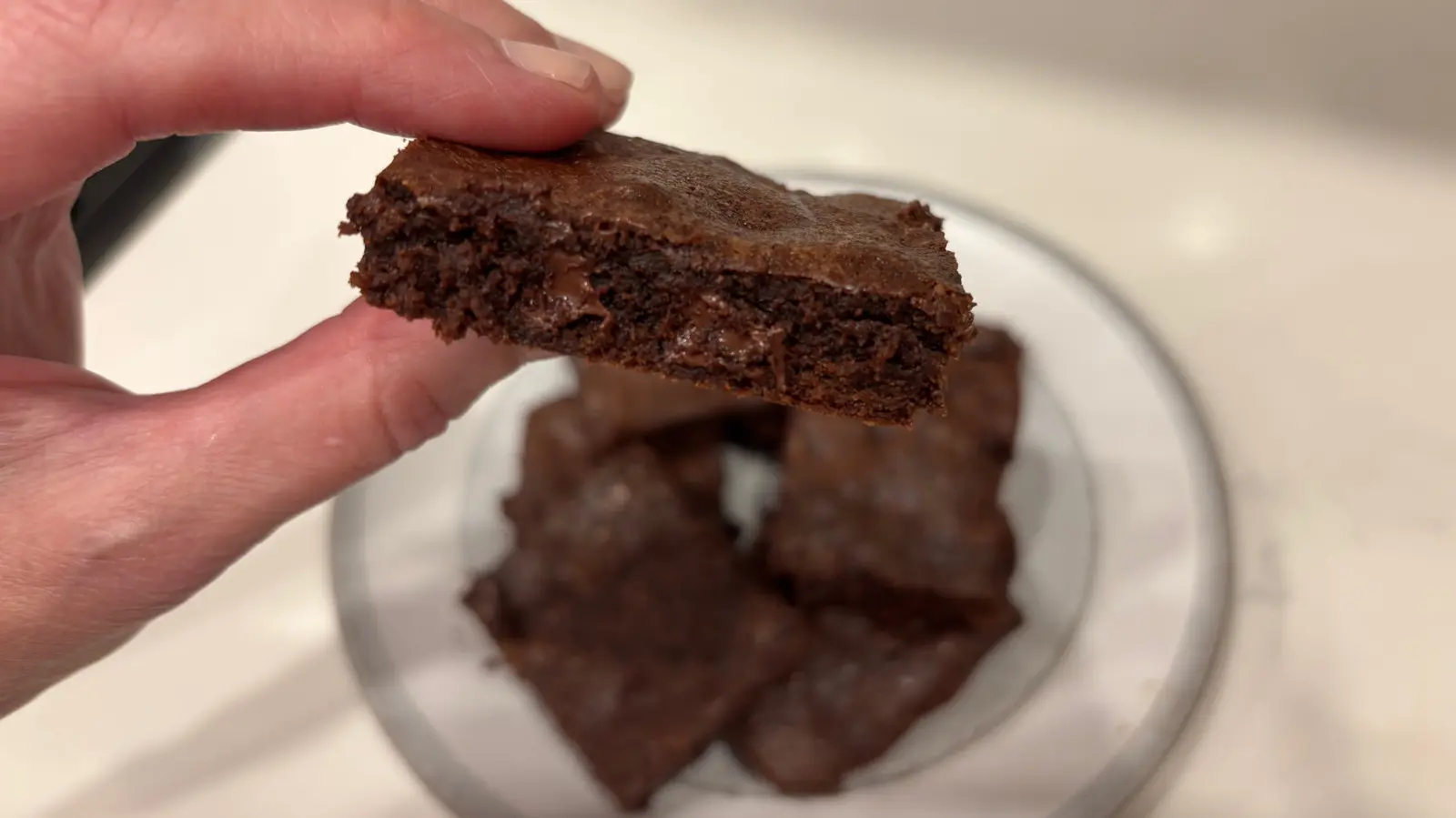
Soy Saucelebrity chef reveals soy sauce trick for richer brownies
why umami belongs in dessert
on a quiet tuesday afternoon in september 2026, food editor amy andrews received an unusual assignment: test whether soy sauce could improve homemade brownies. skeptical at first, she followed a simple recipe adjustment, adding just a teaspoon of the salty condiment to her usual batter. the result was a batch of brownies with deeper chocolate flavor, a fudgier texture, and a lingering umami note that elevated them beyond ordinary homemade treats. the experiment, conducted in her home kitchen, quickly shifted from doubt to delight as the brownies emerged with a bakery-quality finish.
Latest news
 The Ultimate Homemade Chili Recipe for Cold Weather
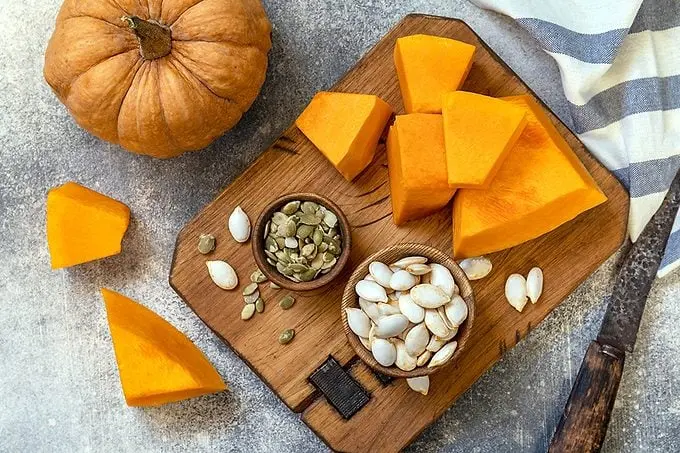 The Nutritional Power of Pumpkin Beyond Seasonal Desserts
 A Culinary Journey Through the 30th Epcot International Food and Wine Festival
 Burger King Unleashes Hello Kitty Kids' Meal with Ultra-Rare Golden Collectible
the science behind the swap lies in soy sauce’s complex fermentation profile, which contains glutamates that amplify savory depth and balance sweetness. unlike salt alone, soy sauce adds layers of flavor without making the dessert taste salty, thanks to its diluted use and the masking power of cocoa and sugar. andrews noted that the trick works best with dark chocolate recipes, where the umami enhances rather than competes. she emphasized moderation—too much soy sauce risks overpowering the sweetness—but confirmed that a small amount integrates seamlessly. the technique, while unconventional, aligns with growing trends in modern baking that borrow from savory pantry staples to refine sweet outcomes.
could this change how we bake at home?
umami, often called the fifth taste, is increasingly recognized for its role in creating satisfying, well-rounded flavors. in desserts, it can counteract cloying sweetness and add sophistication without detectable savoriness. chefs have long used ingredients like miso, fish sauce, and anchovies in chocolate dishes for this very reason. soy sauce, being accessible and mild, offers a home-friendly entry point. andrews compared the effect to adding a pinch of espresso powder—subtle, but transformative. she noted that tasters couldn’t identify the soy sauce but consistently preferred the modified brownies, describing them as „more complex” and „less one-note.” the feedback suggested the ingredient didn’t announce itself but instead made the chocolate feel more complete.
the success of this simple tweak raises questions about other overlooked pantry items that might enhance everyday baking. if a fermented condiment can improve brownies, what about vinegar in cakes or anchovy paste in ginger cookies? andrews believes home bakers are ready to experiment, especially when the barrier to entry is low and the results are immediate. she predicts more recipes will begin to list unconventional boosters not as gimmicks, but as legitimate flavor builders. while soy sauce won’t replace traditional ingredients, it may earn a permanent spot beside vanilla extract and cinnamon in the modern baker’s arsenal—proof that sometimes, the best secrets are hiding in plain sight.
will the brownies taste like soy sauce? no. when used in small amounts—about one teaspoon per batch—the soy sauce dissolves completely and does not impart a detectable salty or Asian flavor. its role is to enhance the chocolate, not to flavor the dessert directly.
frequently asked questions
can i use low-sodium soy sauce? yes, low-sodium versions work just as well since the flavor enhancement comes from glutamates, not salt content. this option is ideal for those monitoring sodium intake without sacrificing the umami boost.
does this work with boxed brownie mix? andrews tested it with a popular store-bought mix and found similar improvements in texture and depth. she recommends adding the soy sauce to the wet ingredients before combining with the dry mix for even distribution.
Content written by Isabelle Fontaine for fancy-meals.com editorial team, AI-assisted.