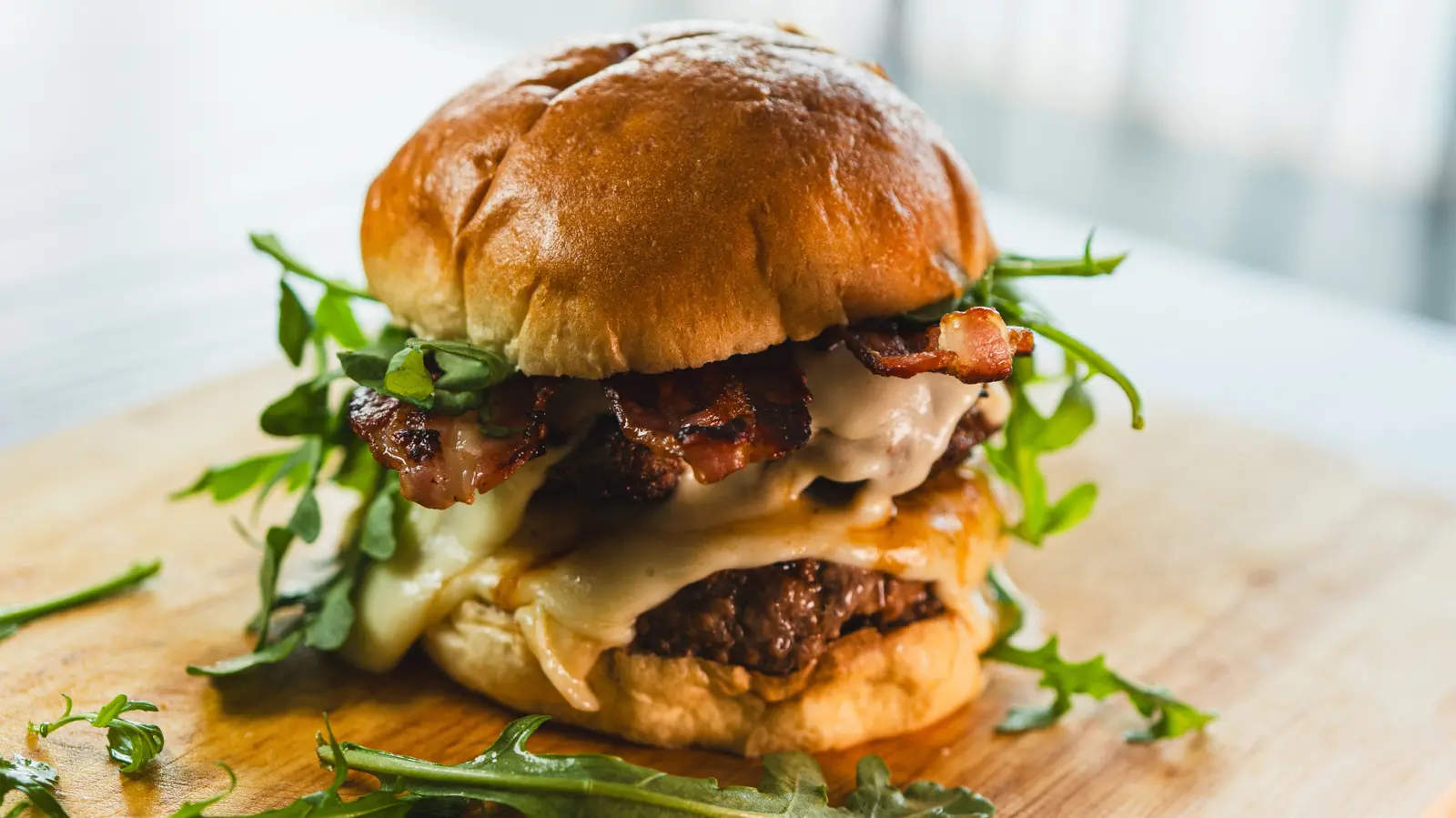
Cheeseburgers Are 10X More Juicy And Flavorful When You Cook Them Like This
Why Melting Cheese Early Changes Everything
A simple technique transforms ordinary cheeseburgers into exceptionally juicy and flavorful meals by focusing on how the patty interacts with heat and cheese during cooking. This method, shared by food enthusiasts online, emphasizes timing and temperature control to maximize moisture retention and taste. Home cooks seeking better results without special equipment can apply this approach using standard kitchen tools.
Latest news
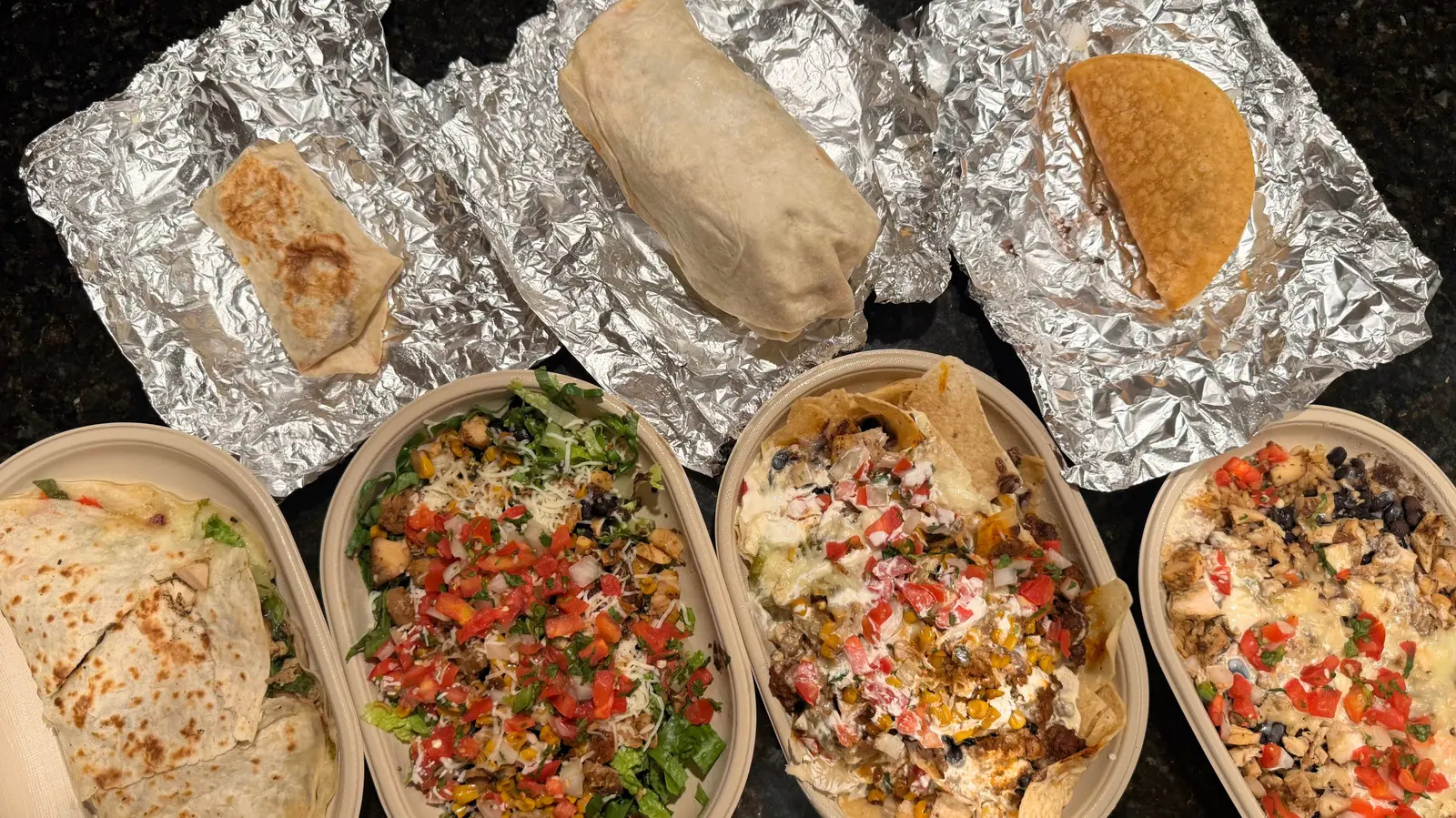 Moe's Southwest Grill Menu Items Ranked from Worst to Best
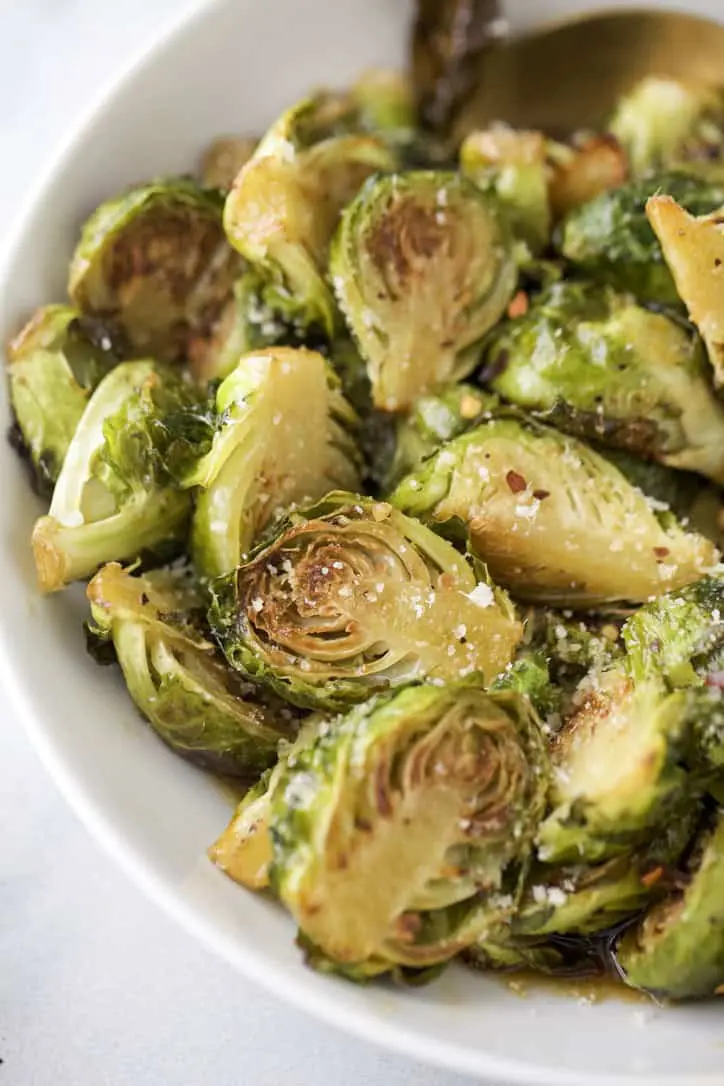 Hot Honey Brussels Sprouts: A Sweet‑Spicy Side That Turns Heads
 Turn Your Pasta Sauce Into a Nutritional Powerhouse
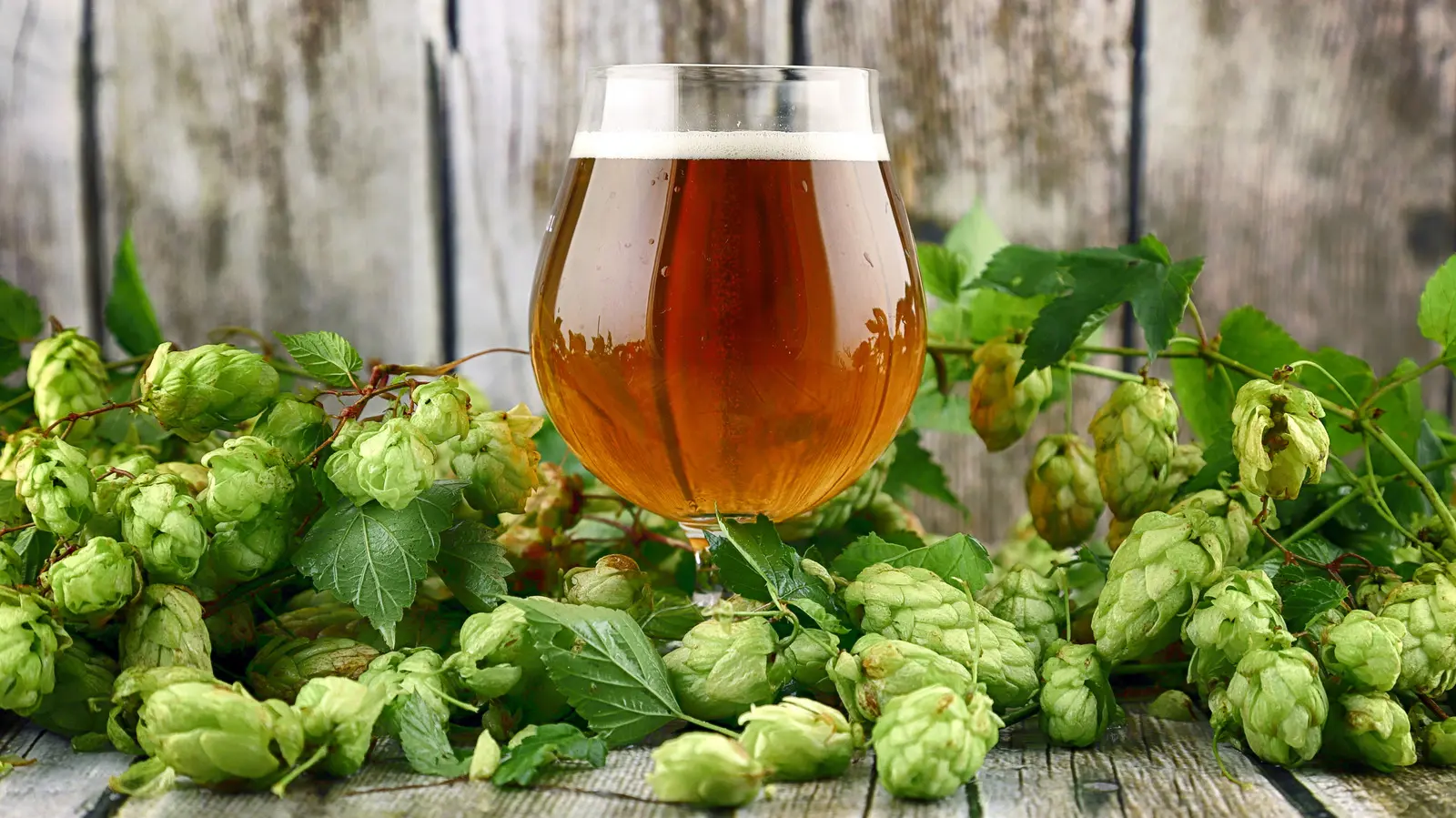 West Coast IPAs vs East Coast IPAs: A Flavor Battle Across the United States
The core idea involves placing cheese on the patty early in the cooking process, allowing it to melt thoroughly before flipping, which creates a steam-like effect that locks in juices. Unlike traditional methods where cheese is added late, this approach ensures even melting and deeper flavor integration. The patty is cooked slightly longer on the first side to develop a crust while the cheese acts as a barrier, preventing moisture loss. This technique works well on griddles, skillets, or grills, making it accessible for most home setups.
How Does This Affect Cooking Time and Temperature?
When cheese melts early, it forms a protective layer that traps steam and fat inside the patty as it cooks. This internal steaming effect keeps the meat tender and prevents it from drying out, especially important for leaner beef blends. The Maillard reaction still occurs on the exposed surfaces, delivering the desired sear and complexity. Food scientists note that trapped moisture conducts heat more evenly, reducing hot spots that can overcook edges while leaving centers underdone. The result is a burger where every bite delivers consistent juiciness and a richer, more cohesive cheese flavor throughout.
Adding cheese early requires adjusting heat levels to avoid burning the dairy before the meat is ready. Medium-low heat is often ideal, giving the cheese time to melt fully without browning too quickly. Cooks should monitor the patty’s edges for signs of curling, which indicates it’s time to flip. Total cook time may increase slightly compared to standard methods, but the trade-off is significantly improved texture. Using a lid or cover during the initial phase can accelerate cheese melting while maintaining a stable cooking environment, though it’s optional depending on equipment.
Does this method work with all types of cheese? Yes, though meltability varies. American, cheddar, and Swiss melt smoothly and create the best steam barrier, while harder cheeses like Parmesan may not melt as effectively but still add flavor when added later in the process.
Frequently Asked Questions
Can I use this technique with plant-based patties? Absolutely. Plant-based burgers benefit similarly from retained moisture, and vegan cheeses designed to melt will produce comparable results when applied early in the cooking process.
Will this make my burger greasy? Not if excess fat is managed. The method retains natural juices, but draining visible fat after cooking—especially from high-fat blends—keeps the burger rich without being greasy. Proper patty formation and heat control remain key.
Content written by Tasting Table for fancy-meals.com editorial team, AI-assisted.