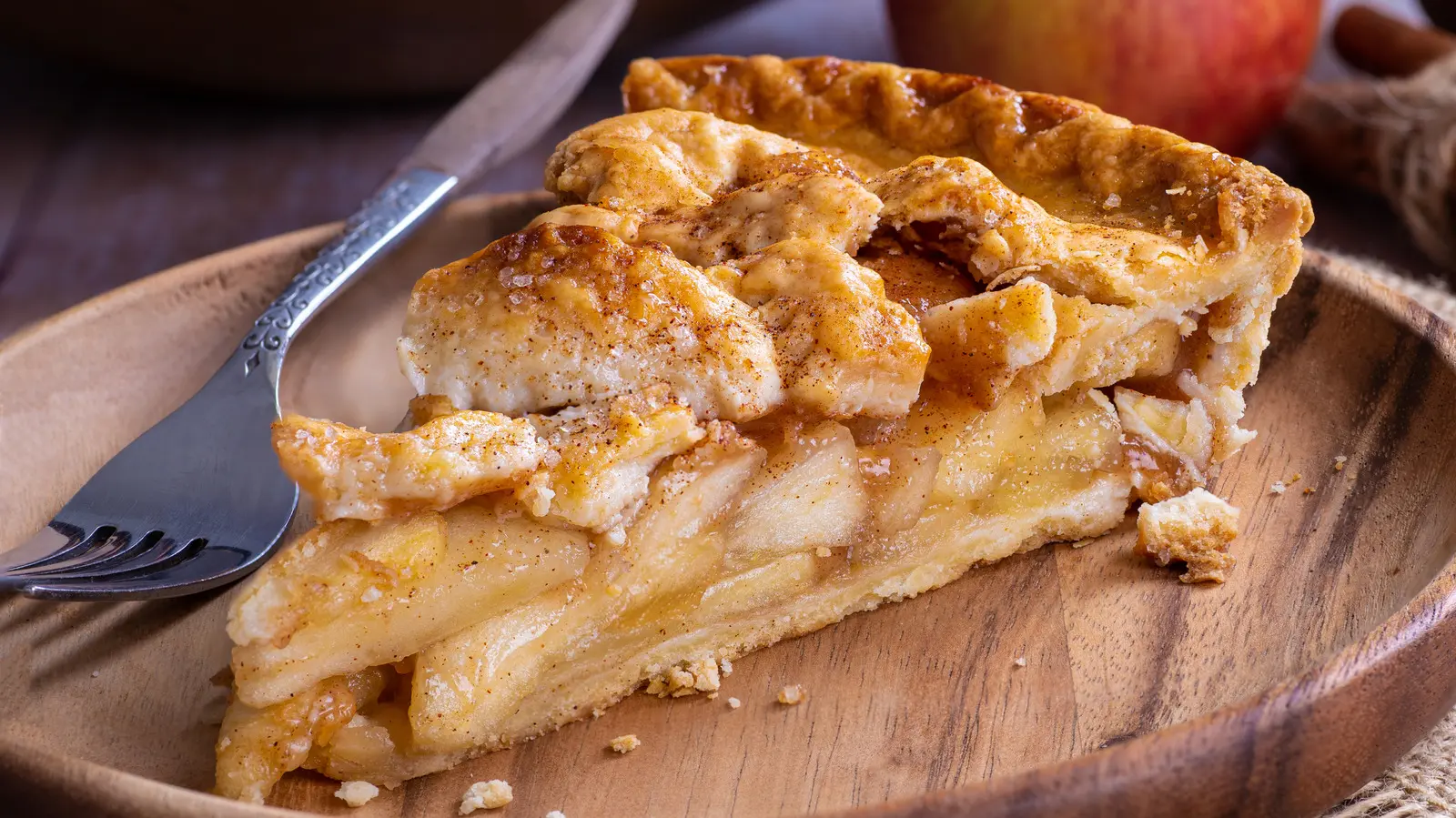
Caramel Drizzle Elevates Classic Apple Pie Beyond Expectations
Why Caramel Outperforms Traditional Cream Toppings
Apple pie remains a staple of autumn baking, yet many home bakers rely on predictable toppings like vanilla ice cream or whipped cream. A new culinary trend suggests that a simple drizzle of caramel sauce can transform this traditional dessert into a far more complex and flavorful experience. This approach adds depth without requiring significant effort or additional ingredients.
Latest news
 Moe's Southwest Grill Menu Items Ranked from Worst to Best
 Hot Honey Brussels Sprouts: A Sweet‑Spicy Side That Turns Heads
 Turn Your Pasta Sauce Into a Nutritional Powerhouse
 West Coast IPAs vs East Coast IPAs: A Flavor Battle Across the United States
The method involves warming a high-quality caramel sauce until it flows freely. Home cooks then carefully pour the liquid over the freshly baked pie. The heat from the crust helps the sauce penetrate the surface slightly, creating a glossy finish. This technique contrasts the sweet, buttery notes of the caramel with the tartness of the apples. It also complements the warm spices, such as cinnamon and nutmeg, typically found in the filling.
While cold dairy products provide a temperature contrast, they often mask the subtle flavors of the fruit. Caramel, conversely, amplifies the existing spice profile. The Maillard reaction involved in making caramel creates complex flavor compounds that resonate with the roasted sugars in the apples. This synergy results in a richer taste experience. Unlike heavy cream, which can feel dense, a light drizzle maintains the structural integrity of the flaky crust. It offers a balance between sweetness and acidity that appeals to a wider range of palates.
Does Temperature Matter For The Final Result?
Food experts note that the visual appeal of the dish also improves significantly. The amber color of the caramel provides a striking contrast against the pale crust and white apple slices. This aesthetic enhancement makes the pie suitable for formal gatherings. Furthermore, the process requires minimal skill. Bakers do not need to master intricate pastry techniques to achieve this result. They simply need a pot of prepared caramel and a steady hand.
Yes, temperature plays a crucial role in the final texture. Applying the caramel while the pie is still warm ensures better adhesion. If the pie has cooled completely, the sauce may pool on the surface rather than integrating with the crust. However, serving the pie entirely cold with room-temperature caramel is also acceptable for those who prefer a firmer bite. The key is ensuring the sauce is fluid enough to spread evenly. Thick, stiff caramel can become difficult to distribute, leading to uneven flavor distribution across the slice.
The rise in popularity of this topping reflects a broader shift toward bold flavor combinations in home cooking. People are moving away from neutral accompaniments in favor of ingredients that interact dynamically with the base dish. This trend encourages experimentation with other sauces, such as chocolate ganache or salted butter glazes. As a result, the humble apple pie continues to evolve, staying relevant in modern kitchens.
Frequently Asked Questions
Can I use store-bought caramel sauce? Absolutely. Most commercial brands work well for this application. Choose a variety with a smooth consistency to ensure even spreading. Avoid chunky varieties if you want a uniform appearance.
How much caramel should I use per pie? Start with approximately half a cup for a standard nine-inch pie. You can always add more later if desired. Using too much initially can make the crust soggy.
Does this work with other fruit pies? Yes, the technique applies equally to cherry, peach, or berry pies. The caramel pairs well with the natural acidity of most stone fruits and berries.
Content written by [email protected] (Josie Dlugosz) for fancy-meals.com editorial team, AI-assisted.