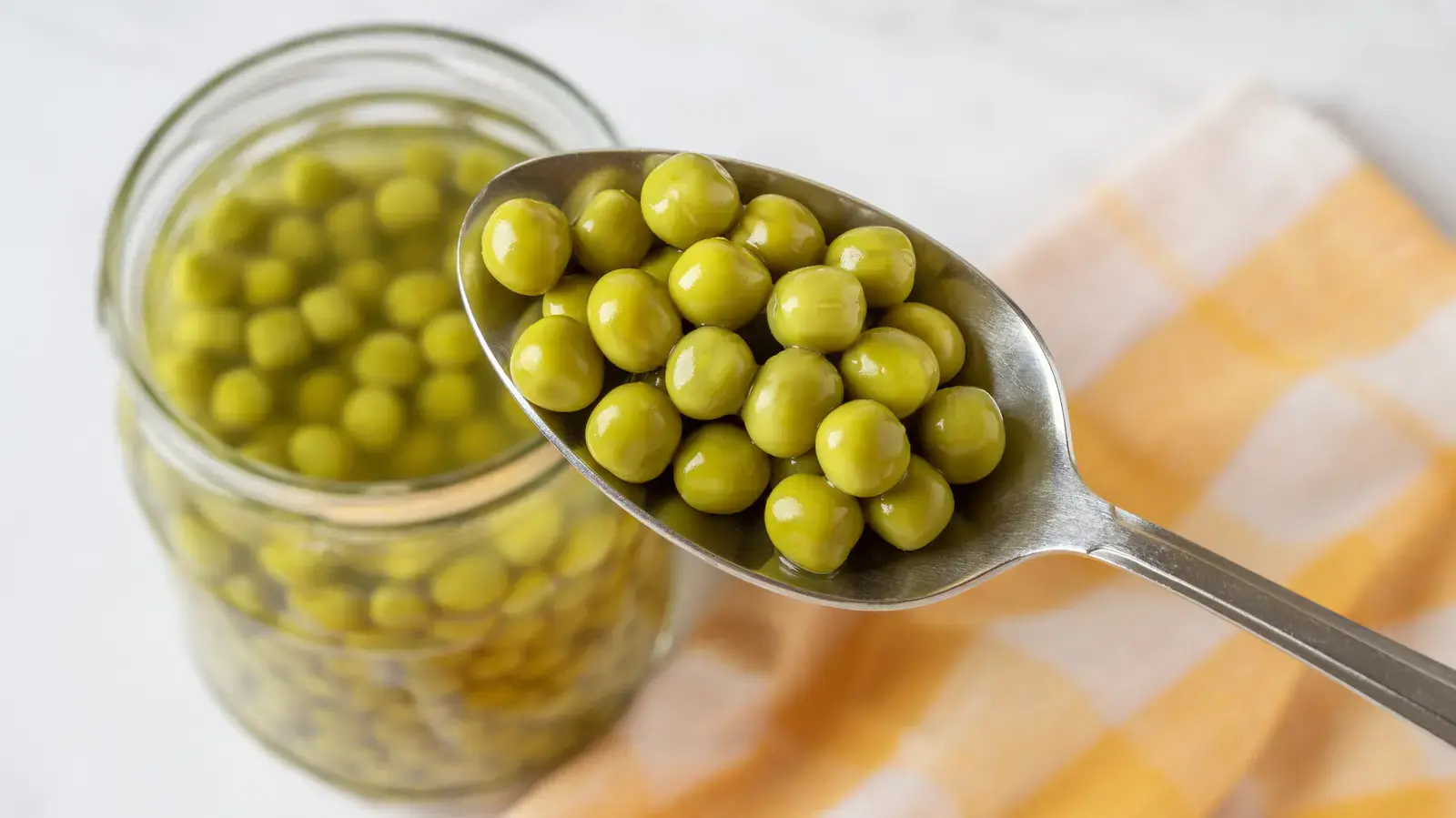
Canned Peas Shine as a Simple Southern Comfort Side Using Everyday Ingredients
Why Canned Peas Deserve a Second Chance
Canned peas, often dismissed as dull, are being reimagined as a comforting Southern side dish. The method uses only four pantry staples and a recent piece notes its ease of preparation.
Latest news
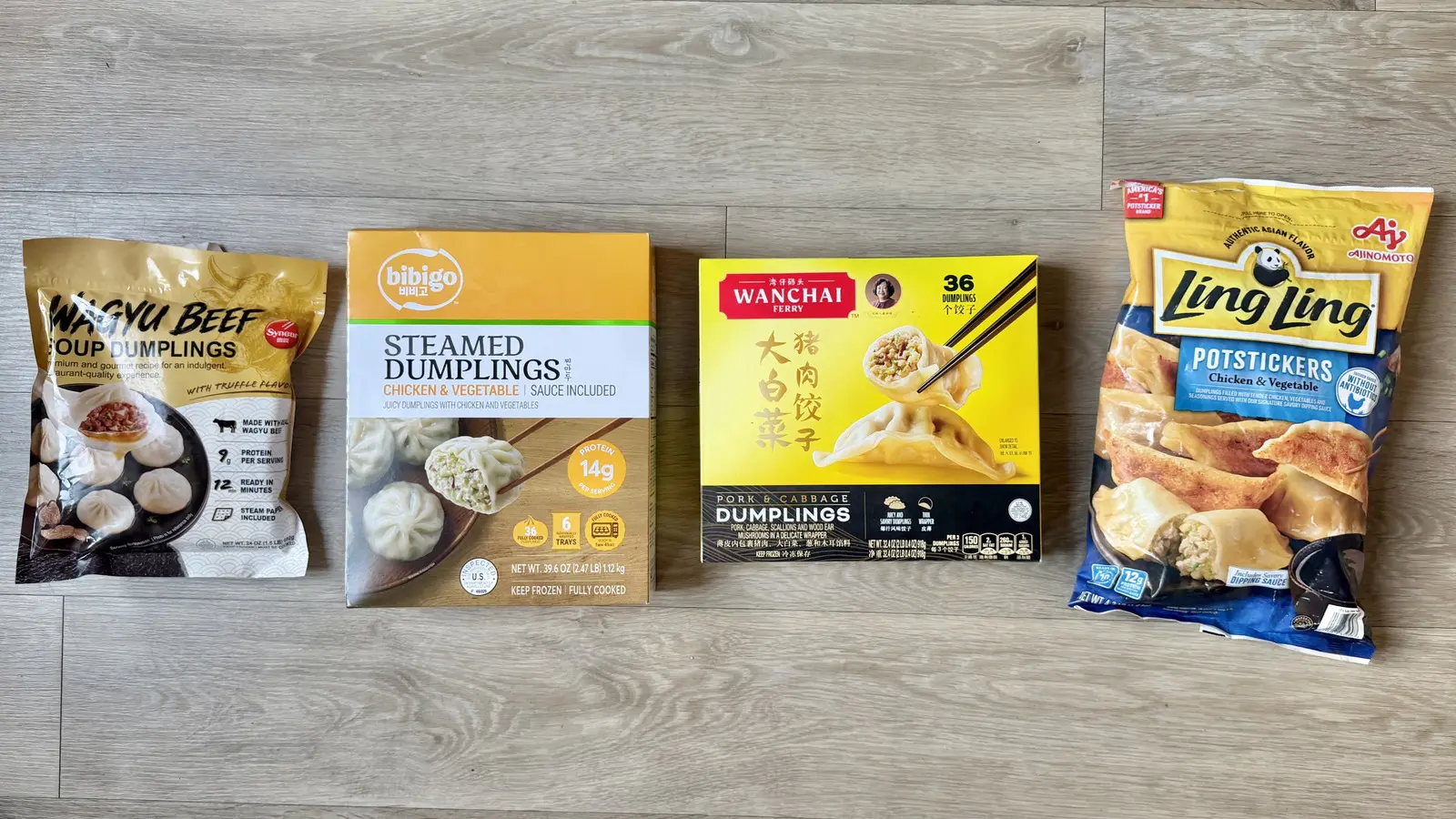 Costco's Frozen Dumpling Lineup, Ranked From Least To Most Tasty
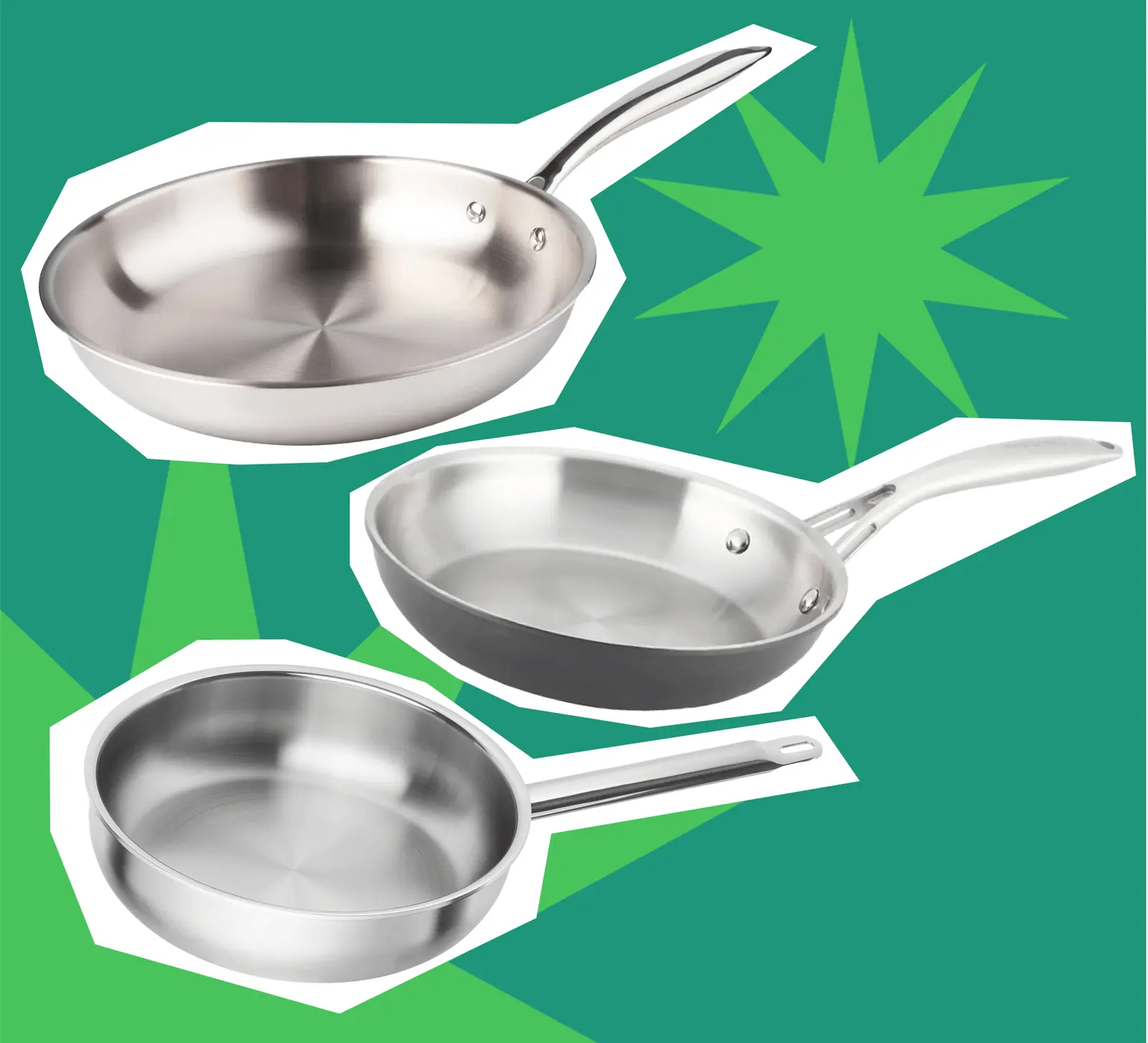 Best stainless-steel frying pans 2026: expert-tested picks for searing, eggs and daily cooking
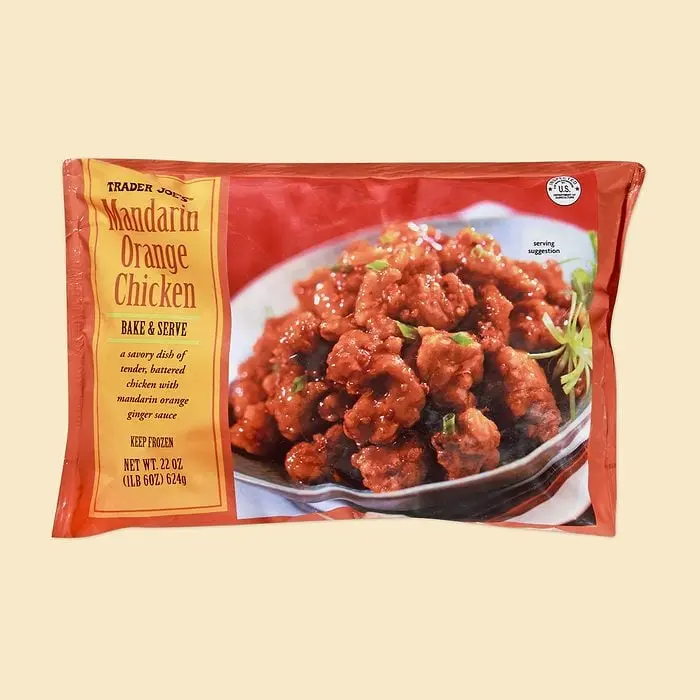 Trader Joe’s First‑Time Shopper Guide: Must‑Try Items
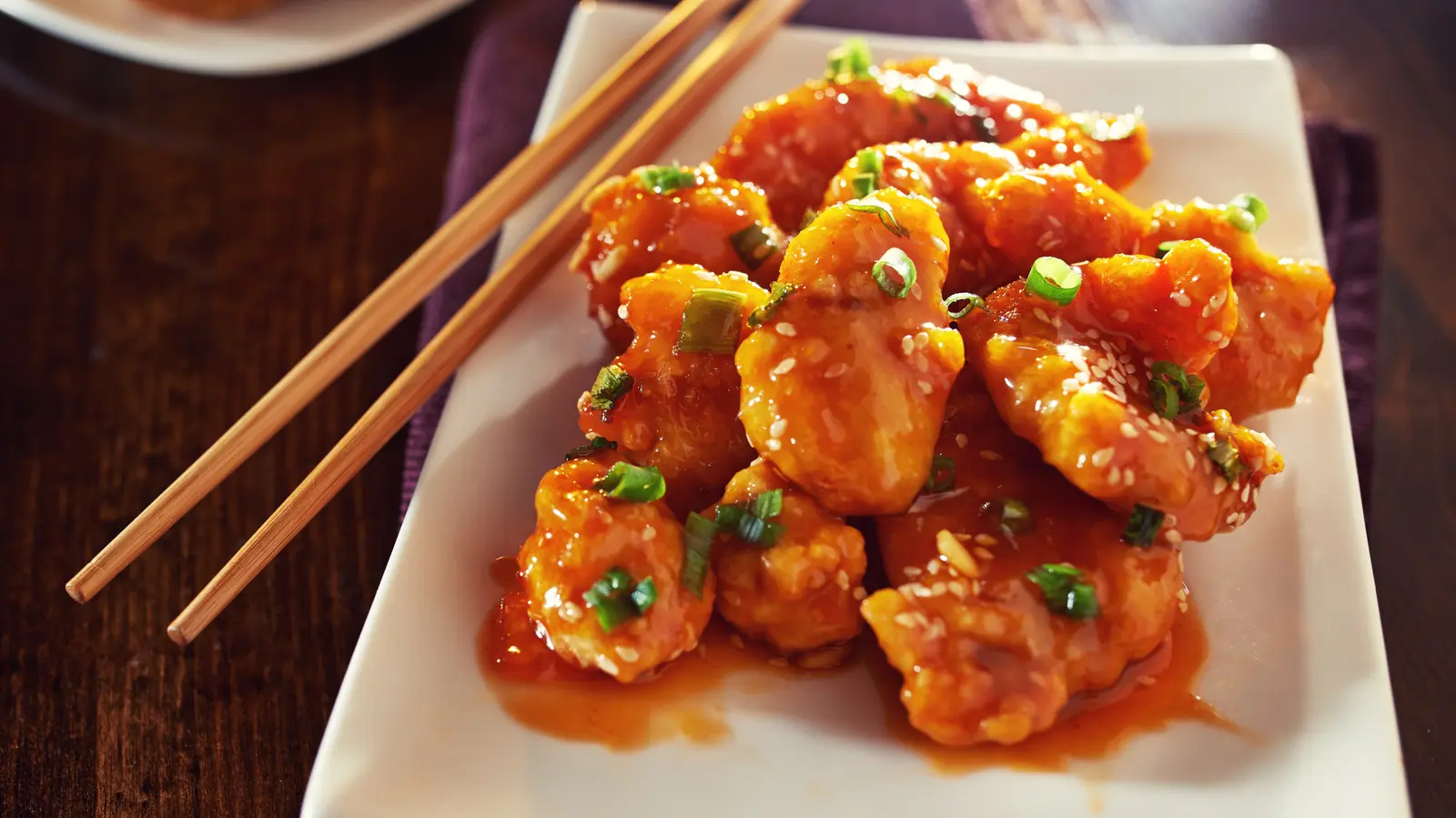 Panda Express vs P.F. Chang's: Which Orange Chicken Is Healthier?
The article explains how a handful of common ingredients—salt, pepper, butter, and a splash of vinegar—can transform canned peas into a warm, buttery side. By heating the peas briefly and finishing with a dash of acidity, cooks achieve depth without extra effort.
Canned peas have long been labeled boring, yet they retain the sweetness of fresh legumes while offering shelf‑stable convenience. A recent piece notes that their texture holds up well when quickly reheated, making them ideal for busy kitchens.
Can Four Simple Ingredients Really Elevate Canned Peas?
The recipe calls for canned peas, butter, salt, pepper and a splash of vinegar—all staples most households already possess. Melt the butter, toss in the peas, season, and finish with vinegar for a bright, buttery side.
This approach shows how pantry staples can replace pricier fresh produce, reducing waste and cost while delivering comforting flavor. As home cooks seek quick, nutritious meals, canned peas may become a go‑to side across Southern tables. The simplicity also makes it easy to scale for family meals or meal‑prep containers daily. This method also fits well into weekly meal plans, saving time and money.
Frequently Asked Questions
Are canned peas as nutritious as fresh peas? Canned peas retain most vitamins and fiber, though some vitamin C is lost during processing. They still provide a solid source of plant protein and are comparable to fresh peas in overall nutrition.
How long should peas be heated to keep them tasty? A brief sauté of three to five minutes is enough; overcooking makes them mushy and reduces flavor. Quick heating preserves texture and brightens the taste.
Can I add other ingredients to this simple side? Yes, herbs, garlic, or a pinch of smoked paprika can be mixed in without complicating the method, allowing personalization while keeping the four‑ingredient core.
Content written by Tasting Table for fancy-meals.com editorial team, AI-assisted.