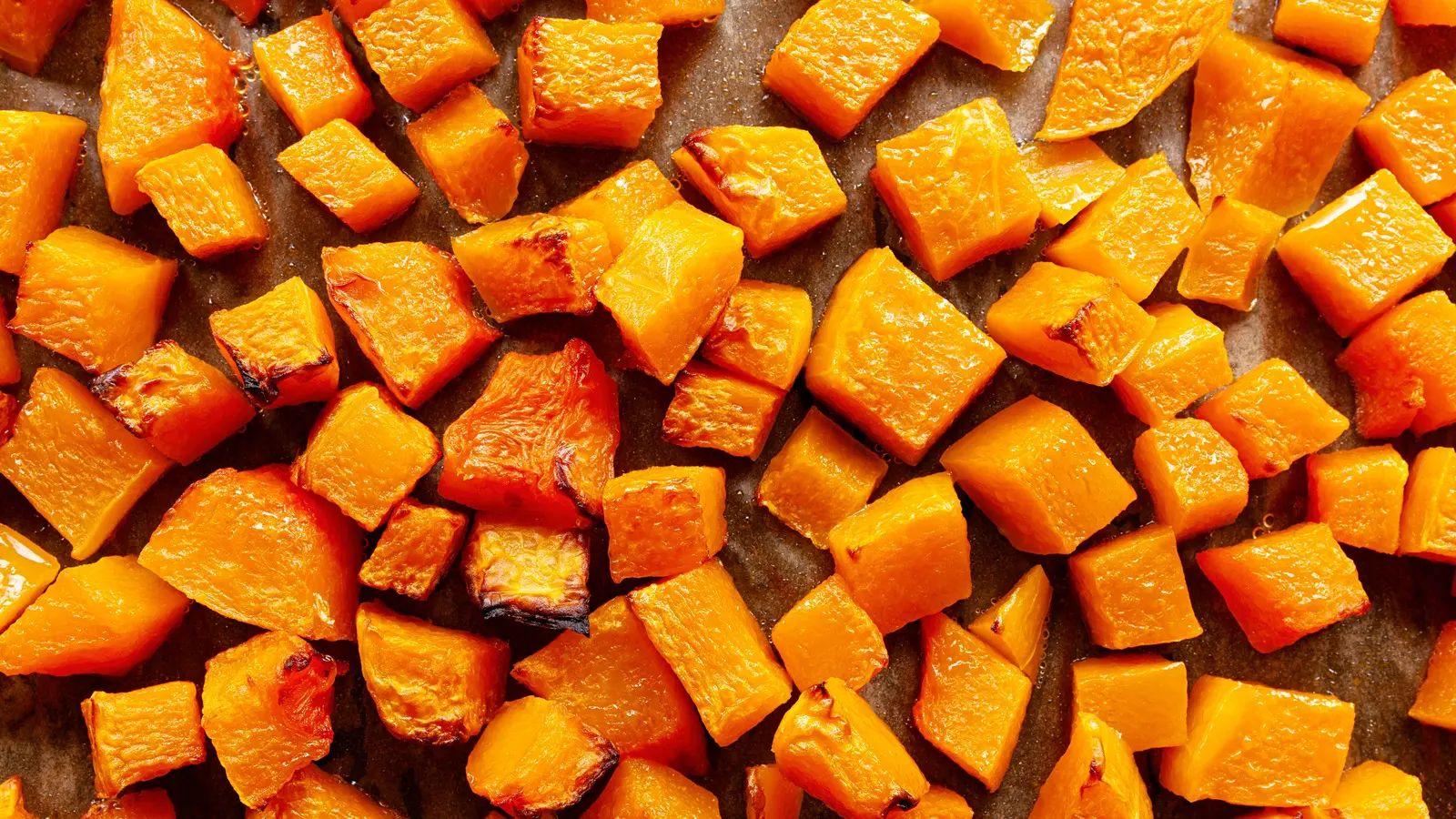
Butternut Squash Is 100% More Delicious When Paired With This Delicate Floral Herb
How Much Lavender Should You Use for Optimal Flavor?
As autumn settles in and home cooks turn to seasonal vegetables, butternut squash emerges as a staple in kitchens across the country. Its sweet, nutty flavor makes it ideal for roasting, soups, and savory sides, often enhanced with warm spices like cinnamon and nutmeg. However, a growing number of food enthusiasts are discovering that a simple floral herb can elevate this humble gourd to new heights of taste.
Latest news
 Costco's Frozen Dumpling Lineup, Ranked From Least To Most Tasty
 Best stainless-steel frying pans 2026: expert-tested picks for searing, eggs and daily cooking
 Trader Joe’s First‑Time Shopper Guide: Must‑Try Items
 Panda Express vs P.F. Chang's: Which Orange Chicken Is Healthier?
The secret lies in pairing roasted butternut squash with fresh lavender, a delicate floral herb known for its subtle perfume and culinary versatility. When used sparingly, lavender complements the squash’s natural sweetness without overpowering it, creating a sophisticated flavor profile that balances earthiness with a hint of springtime bloom. Chefs recommend using culinary-grade lavender buds, finely chopped, and sprinkled over the squash during the last few minutes of roasting to preserve its aromatic qualities.
What Makes This Combination Work So Well?
Food experts suggest starting with just a quarter teaspoon of dried lavender buds per pound of squash, as the herb’s potency can quickly dominate a dish if overused. Fresh lavender offers a milder alternative, allowing for slightly more flexibility in measurement. The key is to taste as you go, adjusting based on personal preference and the intensity of the batch. Many home cooks report that even a small amount transforms the dish from ordinary to restaurant-quality, particularly when paired with a drizzle of honey or a sprinkle of sea salt.
The harmony between butternut squash and lavender stems from their shared aromatic compounds, particularly linalool, which contributes to both the squash’s earthy depth and the herb’s floral notes. This molecular affinity allows the flavors to meld seamlessly during cooking, rather than clash. Nutritionists also note that lavender contains antioxidants and may offer mild calming properties, adding a wellness angle to its culinary appeal. Together, they create a dish that feels both indulgent and balanced, perfect for fall entertaining or a cozy weeknight meal.
Can I use lavender essential oil instead of fresh or dried buds? No, lavender essential oil is not recommended for cooking as it is highly concentrated and can be toxic in even small amounts; only culinary-grade lavender buds should be used.
Frequently Asked Questions
Is this pairing suitable for savory dishes only? While most commonly used in savory preparations, a touch of lavender can also enhance sweet applications like butternut squash pie or muffins, though it requires even more restraint to avoid a perfumed taste.
Where can I find culinary-grade lavender? Culinary lavender is available at specialty food stores, farmers’ markets, and online retailers; look for labels specifying „food grade” or „culinary use” to ensure safety and quality.
Content written by [email protected] (Amanda Berkey) for fancy-meals.com editorial team, AI-assisted.