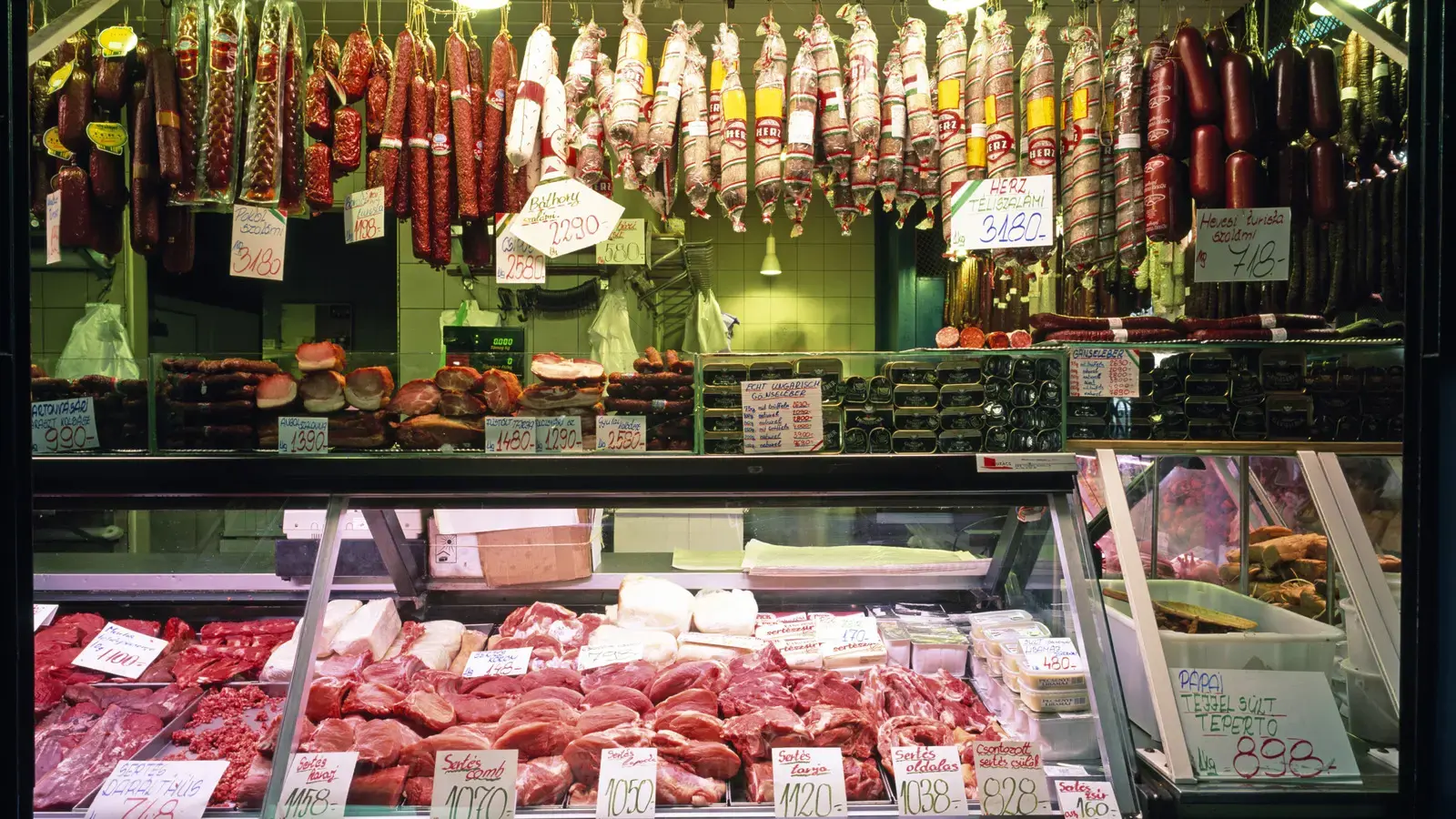
Butchers Wish You'd Stop Doing These 3 Things When Shopping For Meat
Why Temperature Matters More Than You Think
Professional butchers from across the country shared their frustrations with common customer habits that compromise meat quality and safety. Eddy, a master butcher with over 20 years of experience, joined another industry expert to reveal the top three mistakes shoppers make when selecting meat at the counter. Their insights come from daily interactions with customers who unknowingly sabotage their own meals through simple, avoidable errors.
Latest news
 Moe's Southwest Grill Menu Items Ranked from Worst to Best
 Hot Honey Brussels Sprouts: A Sweet‑Spicy Side That Turns Heads
 Turn Your Pasta Sauce Into a Nutritional Powerhouse
 West Coast IPAs vs East Coast IPAs: A Flavor Battle Across the United States
The first issue involves customers handling meat excessively before purchase. Butchers report that shoppers often squeeze, poke, or rearrange packages multiple times, which can introduce bacteria and damage the meat's texture. Eddy explains that this constant touching breaks down the meat's surface integrity, especially with ground products, leading to faster spoilage and potential contamination. The second problem centers on ignoring expiration dates and storage instructions, with many shoppers assuming meat remains safe indefinitely if it looks fresh.
How Can You Tell If Meat Is Fresh?
The third and most critical mistake involves improper temperature control during transport. Butchers emphasize that leaving meat in a hot car for even 20 minutes can push it into the danger zone where bacteria multiply rapidly. Eddy notes that customers frequently underestimate how quickly meat warms up, particularly in summer months. He recommends using insulated bags with ice packs and making the butcher shop the final stop before heading home to maintain safe temperatures throughout the shopping trip.
Fresh meat should have a consistent color without gray or green spots, and it should feel firm to the touch, not slimy or sticky. A mild, metallic scent is normal, but any sour or ammonia-like odor indicates spoilage. Butchers advise customers to ask about the meat's origin and cut date when unsure, as reputable shops will gladly share this information to build trust and ensure satisfaction.
Frequently Asked Questions
What should I do if I accidentally leave meat in my car? If meat has been above 40°F for more than two hours, discard it to avoid foodborne illness risks. When in doubt, throw it out.
Can I wash meat before cooking to remove bacteria? No, washing meat spreads bacteria through water splatter and does not effectively remove pathogens. Cooking to the proper internal temperature is the only reliable method to kill harmful bacteria.
Content written by Tasting Table for fancy-meals.com editorial team, AI-assisted.