Bacardi Gold and White Rum Diverge in Taste and Use
How Aging Shapes the Flavor Profile
Bacardi Gold and Bacardi White represent two distinct expressions of the world’s most recognized rum brand. Both spirits share a common origin but differ significantly in production methods. These differences dictate their flavor profiles and ideal serving styles for consumers.
Latest news
 Moe's Southwest Grill Menu Items Ranked from Worst to Best
 Hot Honey Brussels Sprouts: A Sweet‑Spicy Side That Turns Heads
 Turn Your Pasta Sauce Into a Nutritional Powerhouse
 West Coast IPAs vs East Coast IPAs: A Flavor Battle Across the United States
The primary distinction lies in the aging process. Bacardi White is unaged or lightly aged, resulting in a clear appearance. Bacardi Gold undergoes a longer maturation period in oak barrels. This extended contact with wood imparts a golden hue and complex notes. The result is a richer, smoother spirit compared to its lighter counterpart.
The production journey determines the final character of each rum. Bacardi White is filtered to remove color, keeping the taste crisp and neutral. This clarity makes it a versatile base for mixed drinks. It allows other ingredients to shine without competing flavors. In contrast, Bacardi Gold spends time in charred oak casks. The alcohol extracts compounds from the wood, creating depth. Drinkers often detect hints of vanilla, caramel, and spice in the gold variety. This complexity appeals to those who prefer sipping rum neat or on the rocks. The white version remains sharp and clean, ideal for high-volume cocktails where subtlety is key.
Which Rum Suits Your Cocktail Preferences?
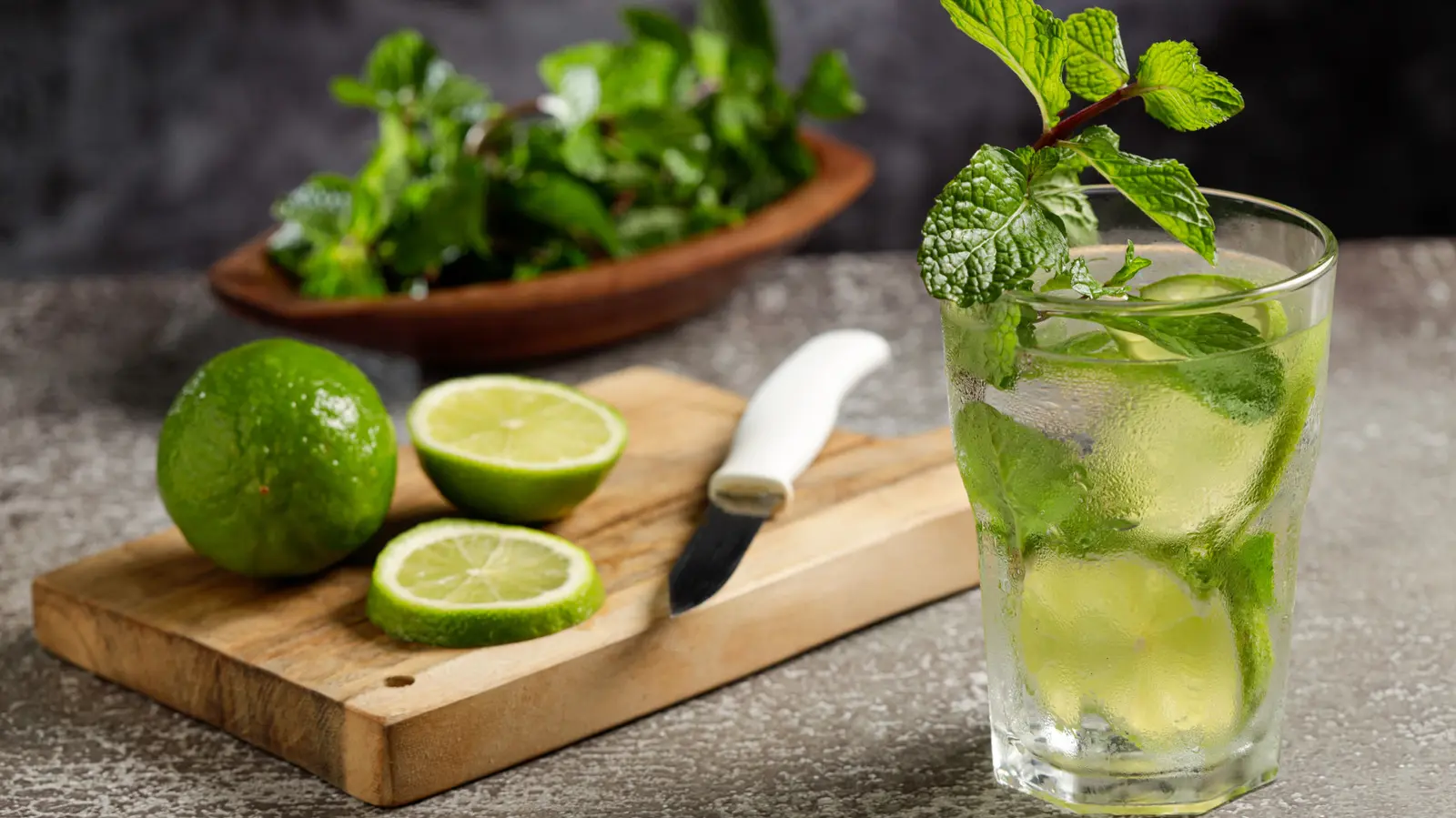
Choosing between the two depends largely on the intended beverage. Mojitos and daiquiris traditionally call for Bacardi White. Its light profile complements lime, mint, and sugar without overpowering them. The crispness enhances the refreshing nature of these tropical classics. However, dark cocktails like Old Fashioneds or rum-based martinis benefit from Bacardi Gold. The caramelized tones add warmth and body to these robust mixtures. Home bartenders should match the rum strength to the drink’s complexity. A simple highball works well with either, but the gold variant offers a heavier mouthfeel. Understanding these nuances prevents pairing errors that might muddy the final taste.
Consumers increasingly seek specific flavor experiences rather than generic labels. This trend drives demand for both light and aged rums. Brands continue to refine their processes to meet these preferences. As cocktail culture evolves, the role of rum shifts from background ingredient to focal point. Selecting the right type ensures a balanced and enjoyable drinking experience. Whether mixing or sipping, knowing the difference matters.
Frequently Asked Questions
Is Bacardi Gold sweeter than Bacardi White? Bacardi Gold tastes smoother due to barrel aging, which introduces natural sugars from the wood. It is not necessarily sweeter by volume but feels richer on the palate.
Can I substitute one for the other in recipes? Yes, but the flavor profile changes significantly. Substituting Gold for White adds depth and color to light cocktails. Using White instead of Gold results in a lighter, less complex drink.
Which rum has a higher alcohol content? Both standard bottles typically contain 40% alcohol by volume. The ABV remains consistent across the core product line regardless of color.
Content written by [email protected] (Amy Andrews) for fancy-meals.com editorial team, AI-assisted.