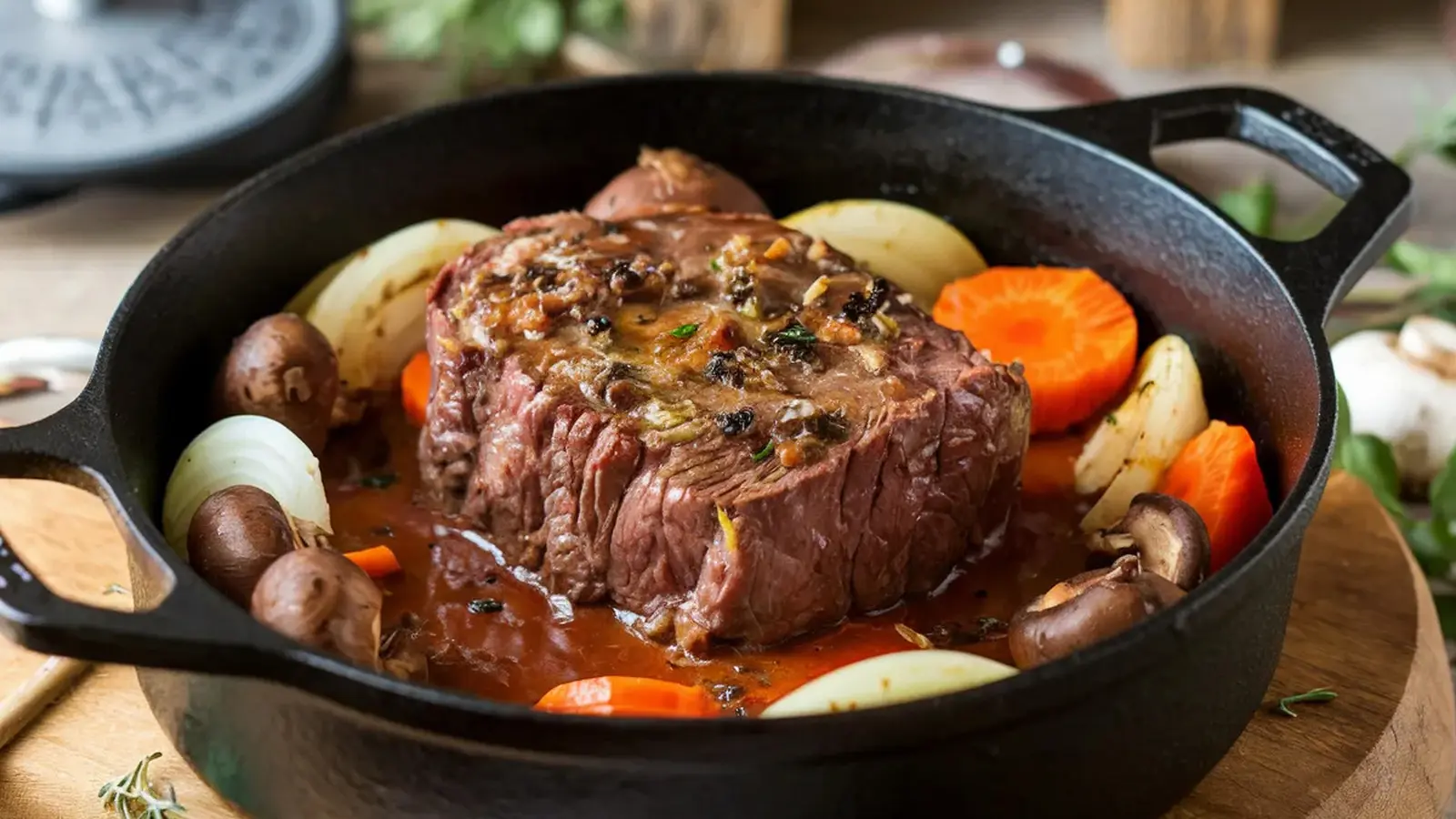
Affordable Cuts Offer Rich Flavor for Pot Roast Lovers
Why Leaner Cuts Work Well in Slow Cooking
As grocery prices climb, home cooks are seeking budget-friendly alternatives to traditional chuck roast without sacrificing taste. Two lesser-known beef cuts—top round and bottom round—provide similar depth of flavor when slow-cooked, making them ideal substitutes for pot roast. These options are gaining attention as inflation pushes consumers to rethink meal planning while still enjoying hearty, satisfying dishes.
Latest news
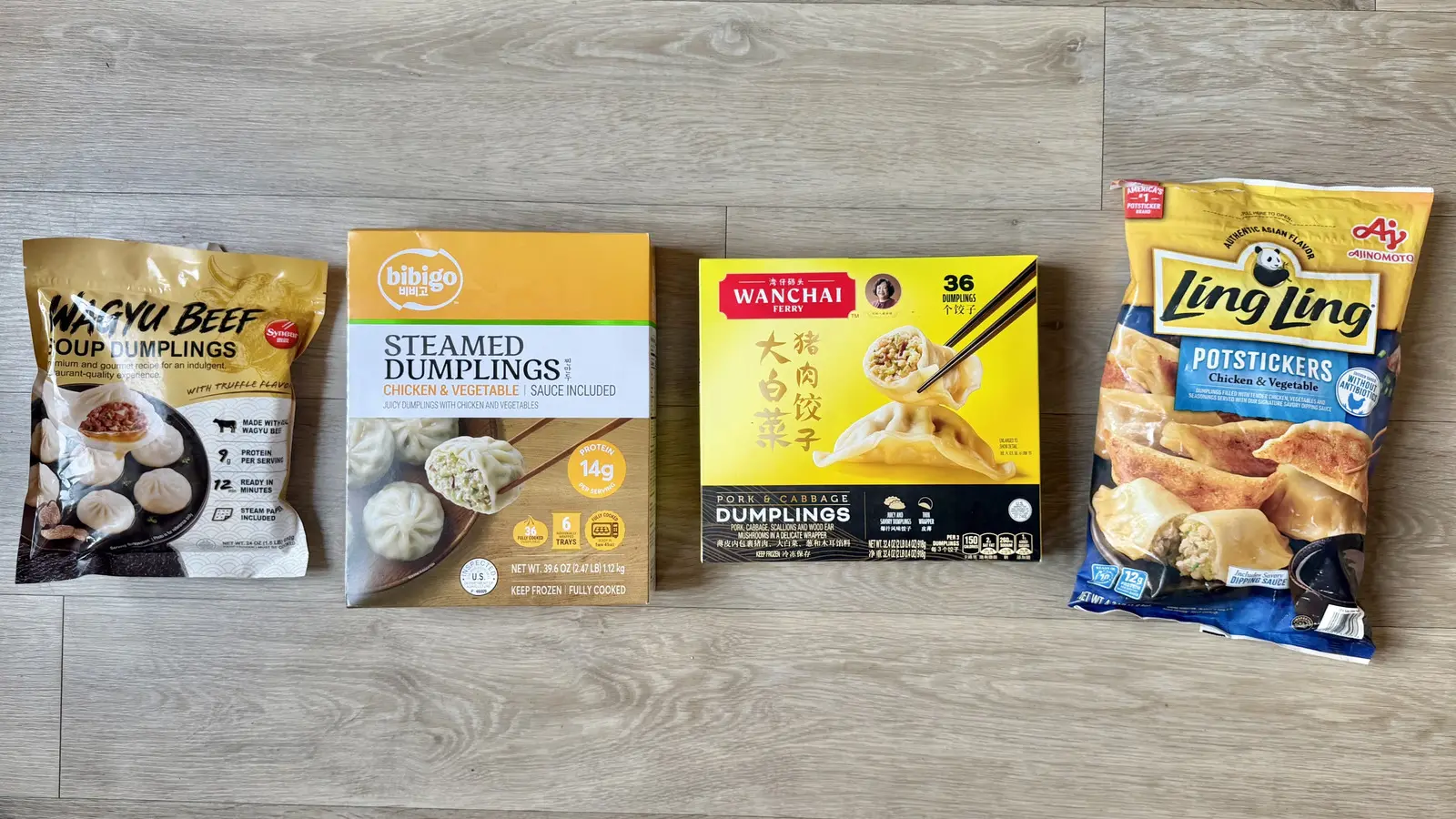 Costco's Frozen Dumpling Lineup, Ranked From Least To Most Tasty
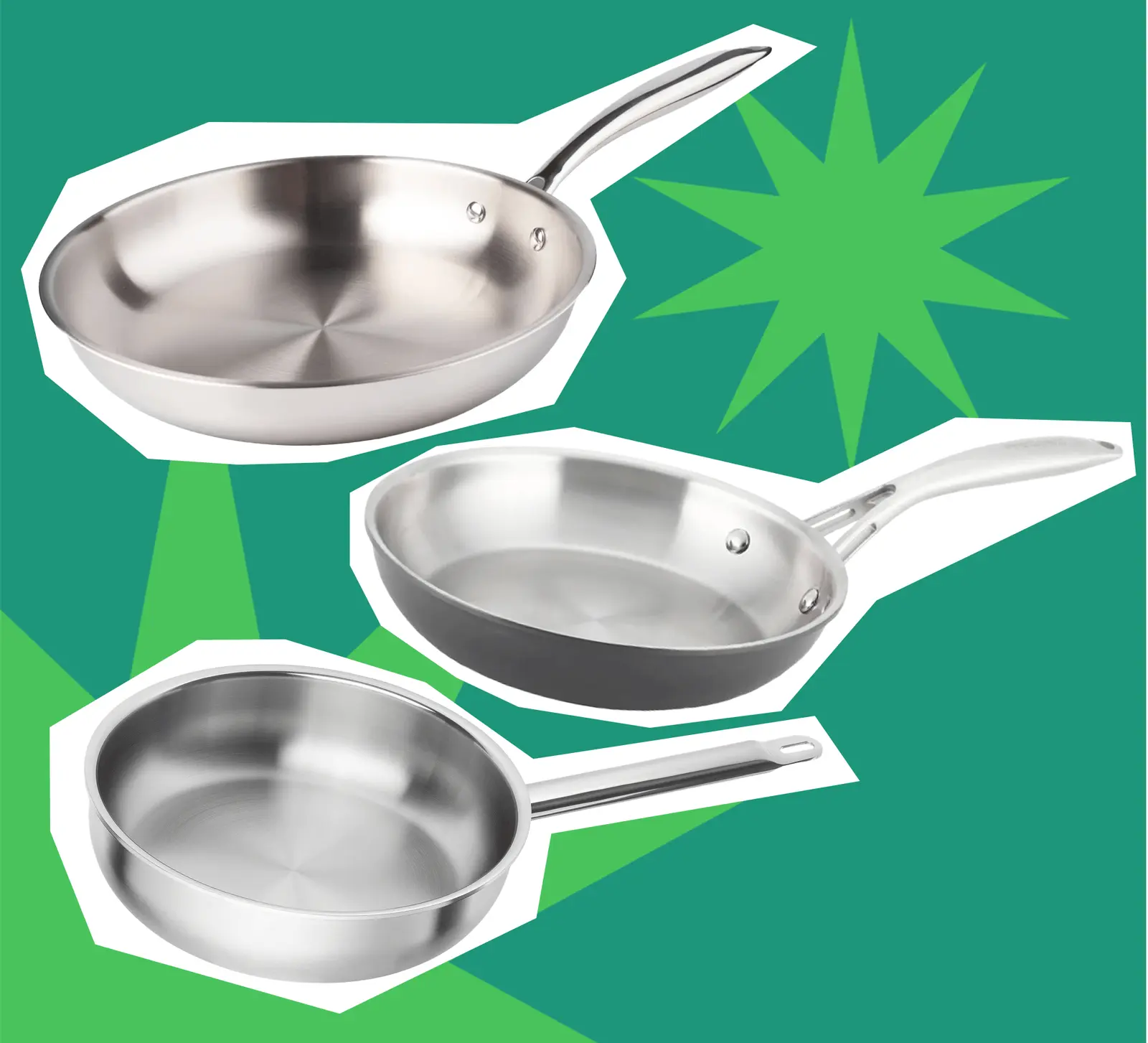 Best stainless-steel frying pans 2026: expert-tested picks for searing, eggs and daily cooking
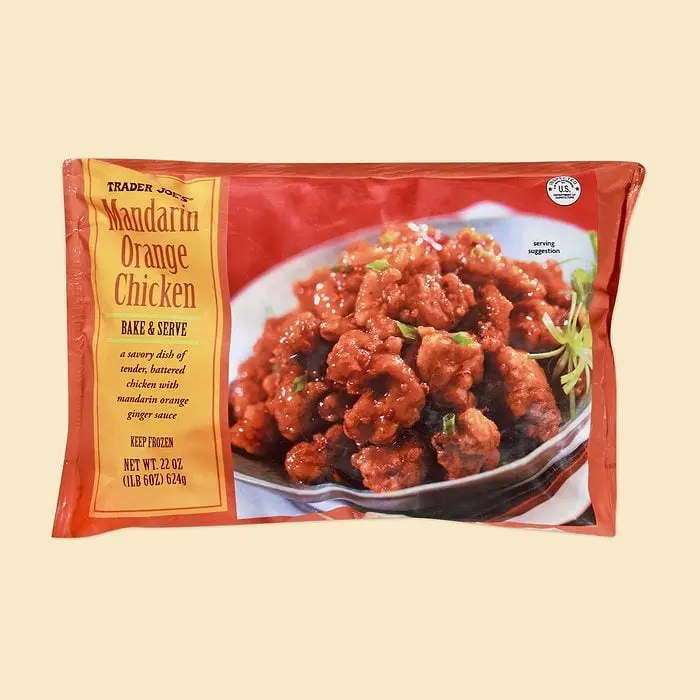 Trader Joe’s First‑Time Shopper Guide: Must‑Try Items
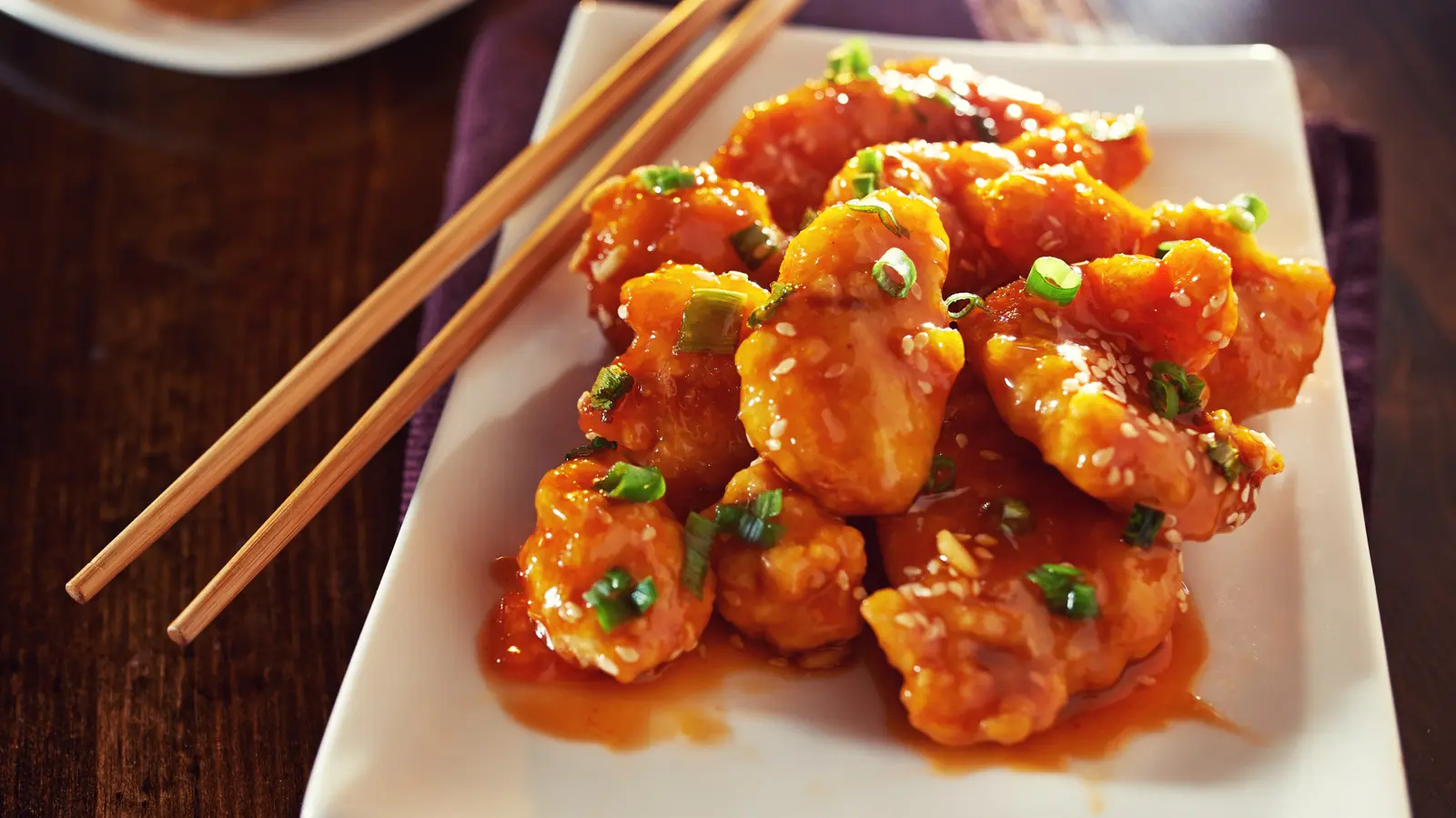 Panda Express vs P.F. Chang's: Which Orange Chicken Is Healthier?
Top round and bottom round come from the hindquarters of the cow and are leaner than chuck, yet they develop rich, savory notes when braised low and slow. Unlike chuck, which relies on marbling for tenderness, these cuts benefit from moist cooking methods that break down connective tissue over time. When seasoned well and cooked for several hours, they yield tender, pull-apart meat that rivals more expensive options in both texture and taste.
How Do These Cuts Compare in Cost and Availability?
Although top and bottom round have less fat, their muscle structure responds beautifully to extended cooking in liquid. The collagen in these cuts converts to gelatin, creating a silky mouthfeel that mimics the richness of fattier meats. Chefs recommend searing the meat first to lock in flavor, then simmering it with broth, herbs, and vegetables for at least three hours. This process ensures the meat stays moist and absorbs the aromatic ingredients fully.
Top and bottom round are often priced significantly lower than chuck roast, especially in regions where demand for premium cuts is high. They are widely available in most supermarkets and butcher shops, frequently labeled for roasting or stewing. Because they are less marbled, they also appeal to health-conscious cooks looking to reduce saturated fat without giving up the comfort of a classic pot roast.
Can top or bottom round be used in other recipes besides pot roast? Yes, these cuts work well in stews, stir-fries, and sliced for sandwiches when cooked properly. Their lean nature makes them versatile across various cuisines when not overcooked.
Frequently Asked Questions
Do I need to adjust cooking time when using these cuts? Cooking time is similar to chuck roast—typically 3 to 4 hours on low in a slow cooker or oven. The key is to cook until fork-tender, which may vary slightly based on thickness and starting temperature.
Will the final dish taste noticeably different? When prepared with the same seasonings and cooking method, the flavor difference is minimal. Most tasters find the result equally satisfying, especially when the meat is shredded and mixed with cooking juices.
Content written by Victoria Lane for fancy-meals.com editorial team, AI-assisted.