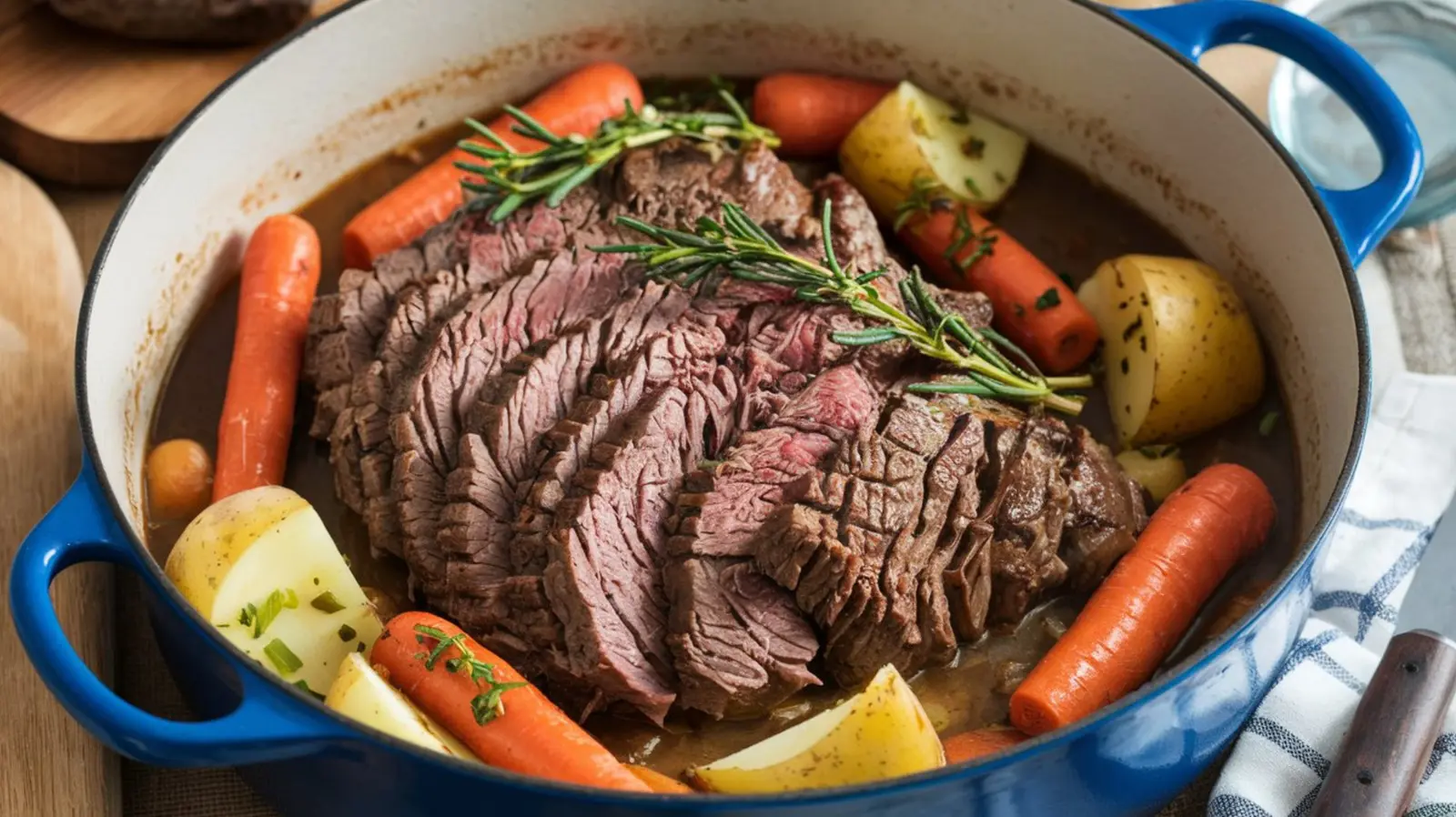
Affordable Alternative to Classic Pot Roast
Why Round Steak Works for Slow Cooking
A family dinner tonight could feature a hearty pot roast without the hefty price tag. Chefs and home cooks alike are turning to a lesser-known cut of beef that delivers the same tender, flavorful results while keeping grocery bills down.
Latest news
 Prosciutto Elevates the Classic Grilled Cheese Sandwich
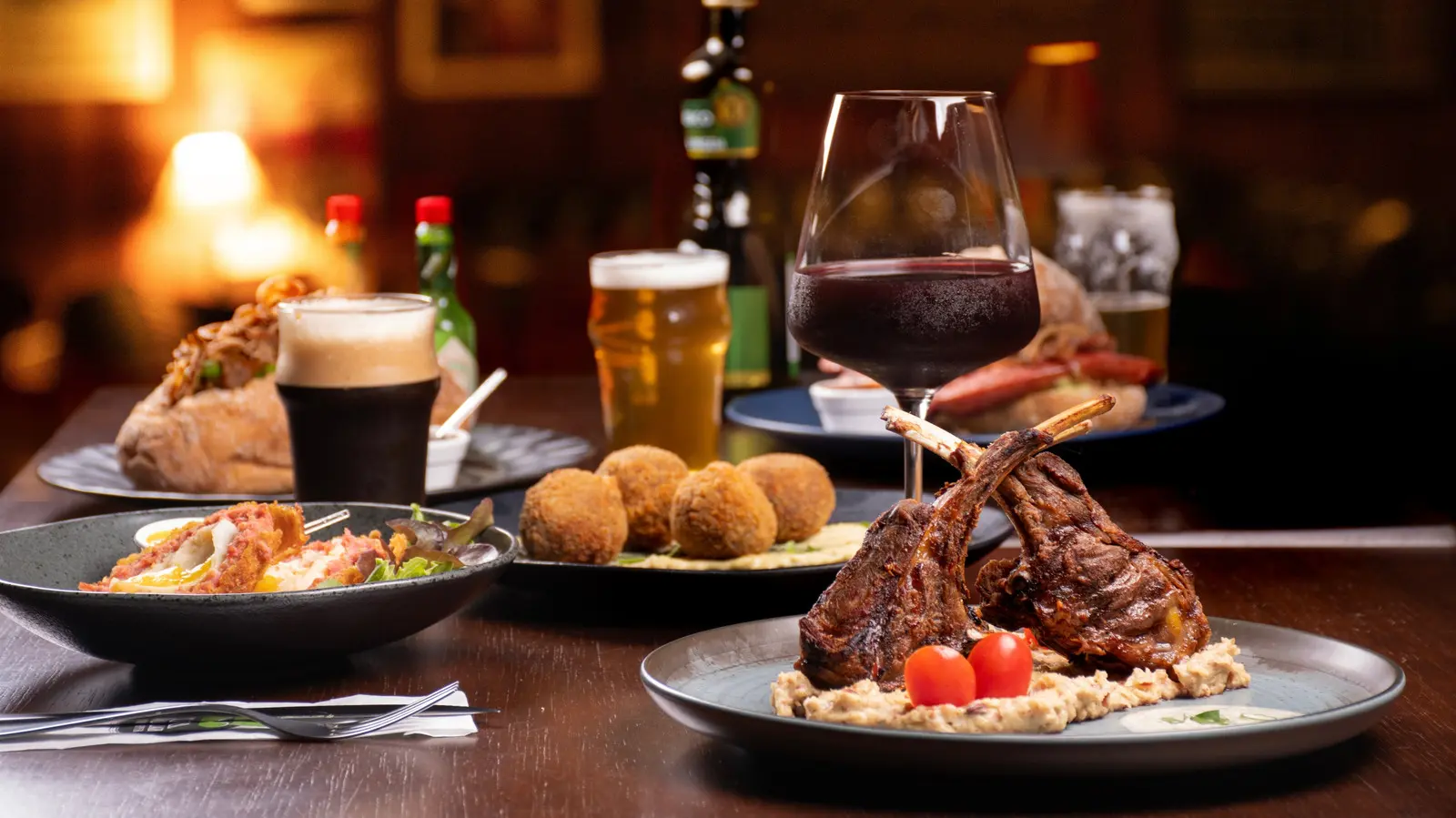 Costco Frozen Shrimp Rivals Steakhouse Appetizers
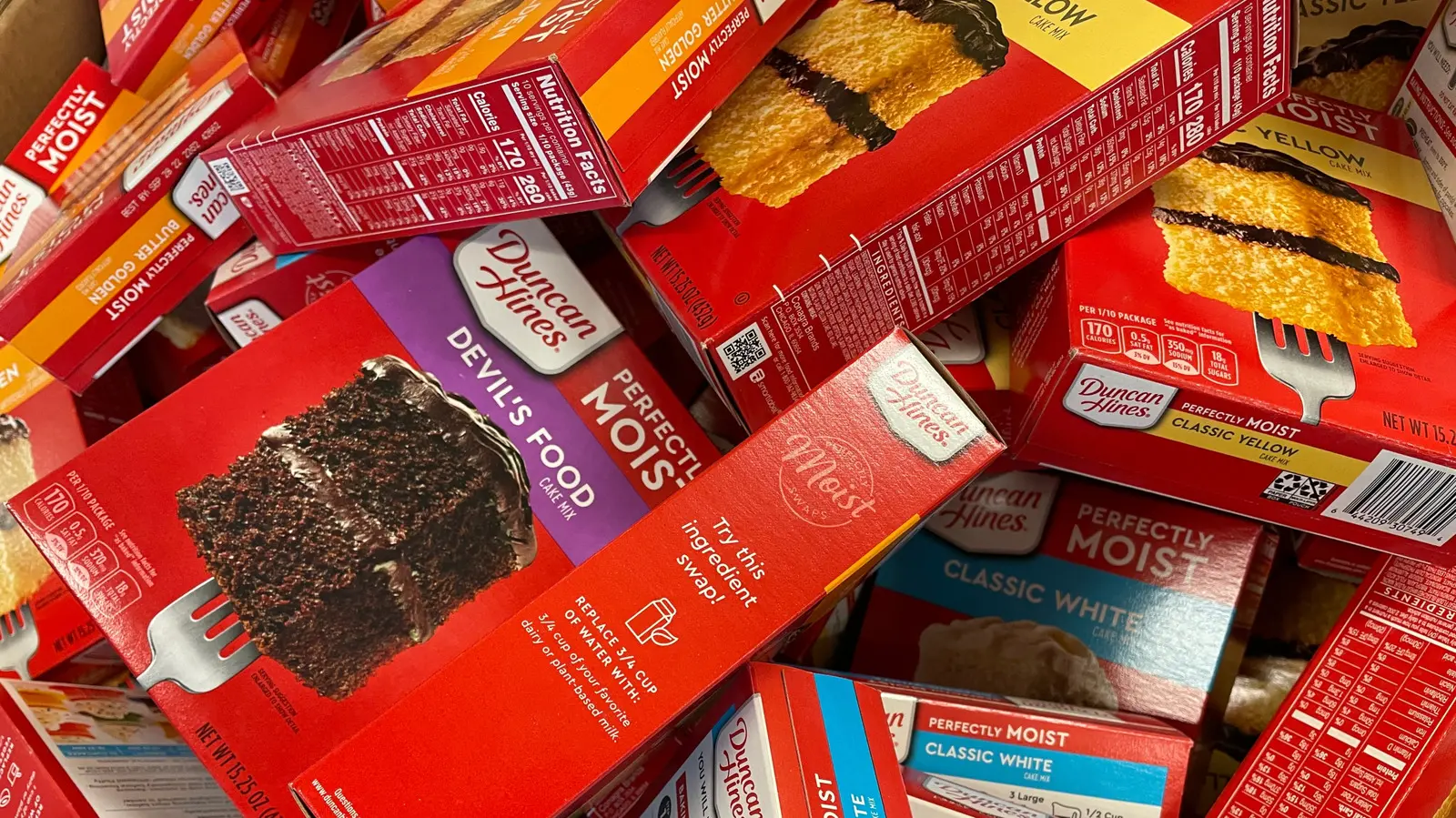 Skip Store‑Shelf German Chocolate for This Rich Duncan Hines Cake Mix
 Severed Sun: A Blood-Red Bourbon Halloween Cocktail
Instead of the traditional chuck roast, many are now selecting the round steak, which comes from the rear leg of the cow. This cut is leaner and usually cheaper, yet it reacts well to the slow‑cooking process that breaks down tough fibers. By braising the round steak in a broth of tomatoes, onions, carrots, and herbs, diners can enjoy a melt‑in‑your‑mouth meal that rivals the classic shoulder‑based version.
Round steak contains a mix of muscle fibers and connective tissue that, when cooked at low temperatures over several hours, becomes tender and juicy. The key is to sear the meat first, then simmer it gently in a flavorful liquid. This method allows the fat and collagen to dissolve into the sauce, creating a rich mouthfeel without the need for a fatty cut. In addition, the lean nature of round steak means fewer calories and less greasiness, appealing to health‑conscious families.
Can You Use Any Cut for a Budget Pot Roast?
Chefs recommend marinating the steak in a mixture of red wine, garlic, and rosemary for at least an hour before cooking. The acid in the wine helps break down muscle fibers, while the aromatics infuse the meat with depth. After searing, add sliced potatoes, carrots, and celery to the pot. Cover and let the dish cook on low heat for three to four hours, or until the meat is fork‑tender. The result is a comforting pot roast that feels indulgent but remains budget‑friendly.
The answer is yes, but not every cut will perform equally well. While round steak is a popular choice, other affordable options include top round, bottom round, and even chuck eye steak. Each has its own texture profile, so experiment with small batches to find the best match for your taste. If you prefer a slightly fattier option, a trimmed flank steak can also be braised, though it requires a bit more attention to avoid toughness.
Cooking time is critical. A lean cut will need longer simmering to achieve tenderness. Using a slow cooker or a Dutch oven can simplify the process, allowing the meat to cook evenly without constant monitoring. The end goal is a dish that feels like a traditional pot roast but at a fraction of the cost.
How Does This Swap Impact Your Grocery Budget?
Switching to round steak can cut the cost of a pot roast by up to 30 percent, according to recent grocery price comparisons. For a family of four, this means saving roughly $10 to $15 per meal. When multiplied over a month, the savings add up, freeing funds for other staples or occasional treats. Moreover, the leaner cut reduces excess fat, making the meal lighter and easier to digest.
Home cooks report that the flavor remains consistent with the classic version, while the reduced cost and lower calorie count make the dish more appealing for everyday meals. Restaurants and catering services are also adopting this approach to offer hearty, affordable entrees without compromising on taste.
Frequently Asked Questions
What is the best way to season round steak for pot roast? Season the steak with salt, pepper, and a mixture of garlic powder and dried herbs. A brief marination in red wine and rosemary enhances flavor before searing.
How long should I simmer round steak to achieve tenderness? Simmer for 3 to 4 hours on low heat, or until the meat pulls apart easily with a fork. Use a slow cooker for convenience.
Can I use frozen round steak for this recipe? Yes, thaw the steak completely before seasoning. Frozen meat can be added directly to the pot, but adjust cooking time slightly to ensure it reaches the same tenderness.
Content written by [email protected] (Mahalia Cooks) for fancy-meals.com editorial team, AI-assisted.