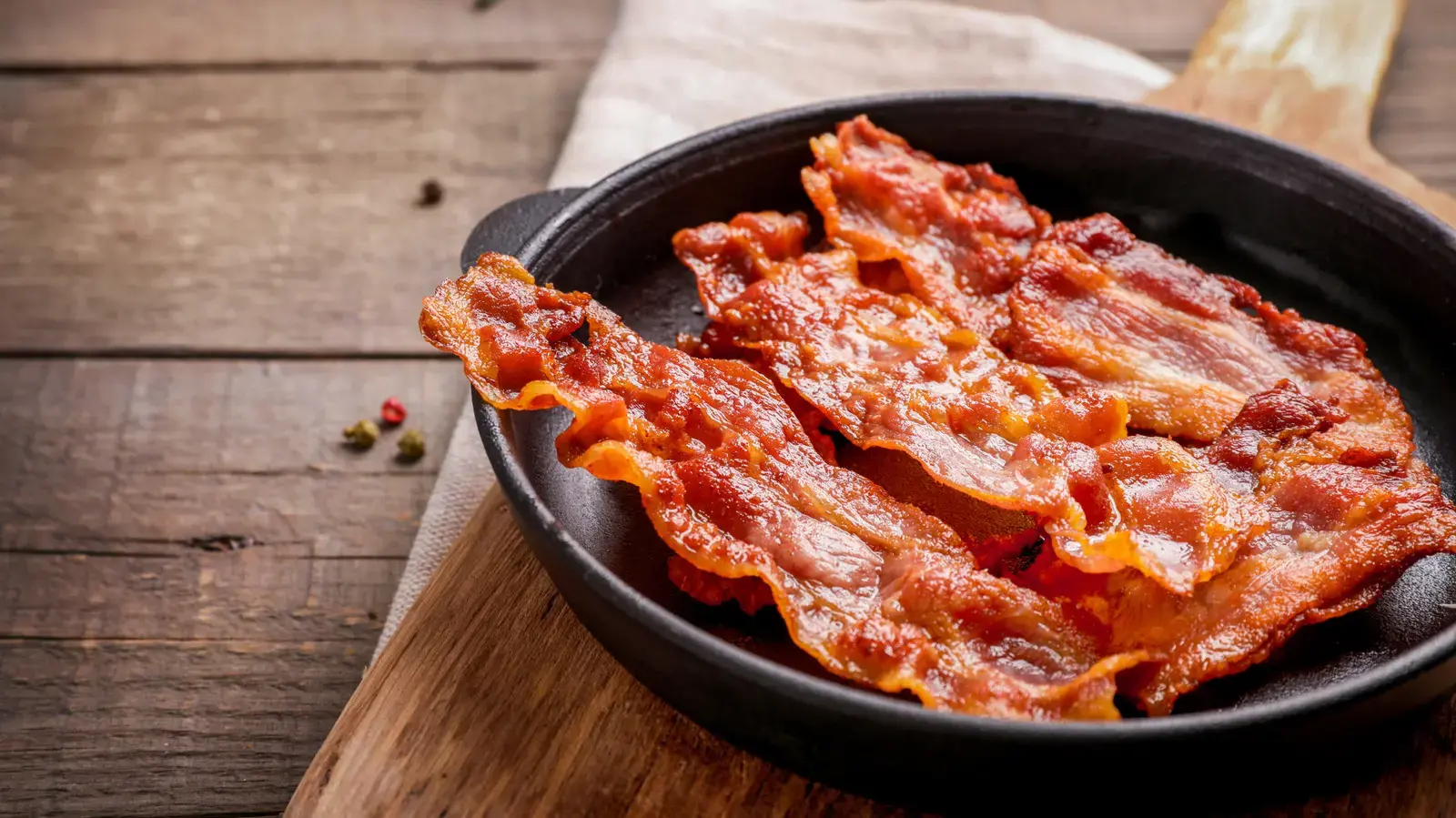
A New Method Rethinks How Americans Cook Their Favorite Breakfast Meat
Why The Skillet Is Not Always Superior
Americans are reevaluating their morning routines by abandoning traditional stovetop methods for a superior bacon preparation technique. This shift moves away from the standard frying pan approach that has dominated kitchens for decades. Home cooks across the nation are discovering this alternative method offers distinct advantages over conventional heat application. The trend highlights a growing interest in optimizing simple culinary tasks for better results without adding complexity to the daily breakfast ritual.
Latest news
 Moe's Southwest Grill Menu Items Ranked from Worst to Best
 Hot Honey Brussels Sprouts: A Sweet‑Spicy Side That Turns Heads
 Turn Your Pasta Sauce Into a Nutritional Powerhouse
 West Coast IPAs vs East Coast IPAs: A Flavor Battle Across the United States
The United States maintains a massive appetite for cured pork belly. Consumers eat approximately 1.1 billion servings of bacon annually. This high volume of consumption suggests that even small improvements in cooking technique can have a significant impact on household habits. Many people assume that a skillet is the only viable tool for achieving the desired texture. However, culinary experts argue that this assumption limits the potential quality of the final dish.
Traditional frying pans create uneven heat distribution that often leads to inconsistent results. The fat renders at different rates across the pan surface, causing some strips to burn while others remain pale. This inconsistency frustrates many home cooks who desire uniform crispness. The alternative technique addresses this issue by controlling the environment more precisely. It allows the fat to render slowly and evenly before the meat crisps up. This step-by-step process prevents the common mistake of rushing the cook time.
Can A Different Tool Change Your Morning Routine?
Switching methods requires minimal effort but yields noticeable differences in flavor and texture. The new approach minimizes splatter and mess, which are common complaints about stovetop cooking. It also reduces the amount of smoke generated in the kitchen. For busy households, this efficiency is a major selling point. The method ensures that every strip reaches the same level of doneness. This consistency makes it easier to serve multiple people simultaneously without worrying about individual portions.
The adoption of this technique signals a broader trend toward precision cooking in home environments. As consumers become more aware of food science, they seek methods that maximize ingredient potential. This specific change may seem minor, but it reflects a deeper engagement with the cooking process. Future breakfast trends will likely continue to favor techniques that balance speed with quality. The goal remains simple: better bacon with less hassle.
Frequently Asked Questions
How much bacon do Americans actually consume? Americans eat roughly 1.1 billion servings of bacon each year. This statistic underscores the cultural significance of the food item in daily diets.
Why is the frying pan considered problematic? Frying pans often cause uneven cooking due to inconsistent heat distribution. This leads to burnt edges or undercooked centers, reducing overall quality.
Is the new method difficult to learn? The technique is straightforward and requires no specialized equipment beyond basic kitchen tools. It focuses on timing and temperature control rather than complex skills.
Content written by [email protected] (Georgina Jedikovska) for fancy-meals.com editorial team, AI-assisted.