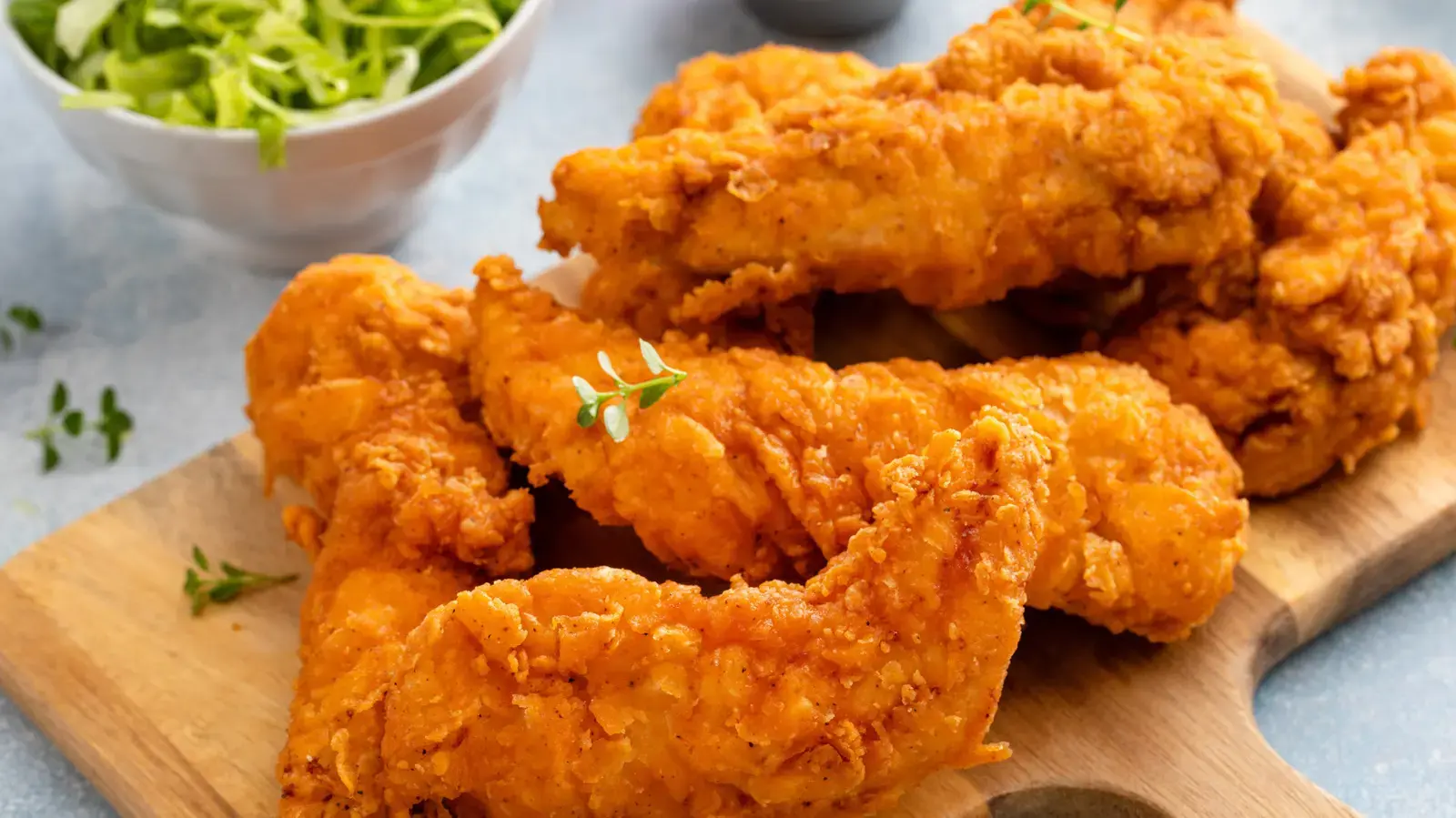
6 Expert Tips For Making Chicken Tenders Better Than Ever Before
Some chefs recommend incorporating papain-rich ingredients like pineapple juice
Chicken tenders are a beloved staple in home cooking and restaurant menus, often overlooked despite their popularity. As of September 16, 2026, culinary experts are sharing refined techniques to elevate this simple dish beyond its fast-food reputation. With the right approach, home cooks can achieve tender, flavorful results that rival professional preparations. The key lies in rethinking common preparation methods that often lead to dry or bland outcomes. Experts emphasize starting with high-quality chicken breast, cut into uniform strips for even cooking. Proper brining or marinating helps retain moisture, while a double-dredge technique in seasoned flour creates a crispier crust. Temperature control during frying or baking is critical to avoid overcooking. The Role of Acid and Enzymes in Tenderizing Adding a touch of acidity—such as lemon juice or buttermilk—to the marinade not only enhances flavor but also breaks down proteins gently, resulting in a more tender bite.
Latest news
 Moe's Southwest Grill Menu Items Ranked from Worst to Best
 Hot Honey Brussels Sprouts: A Sweet‑Spicy Side That Turns Heads
 Turn Your Pasta Sauce Into a Nutritional Powerhouse
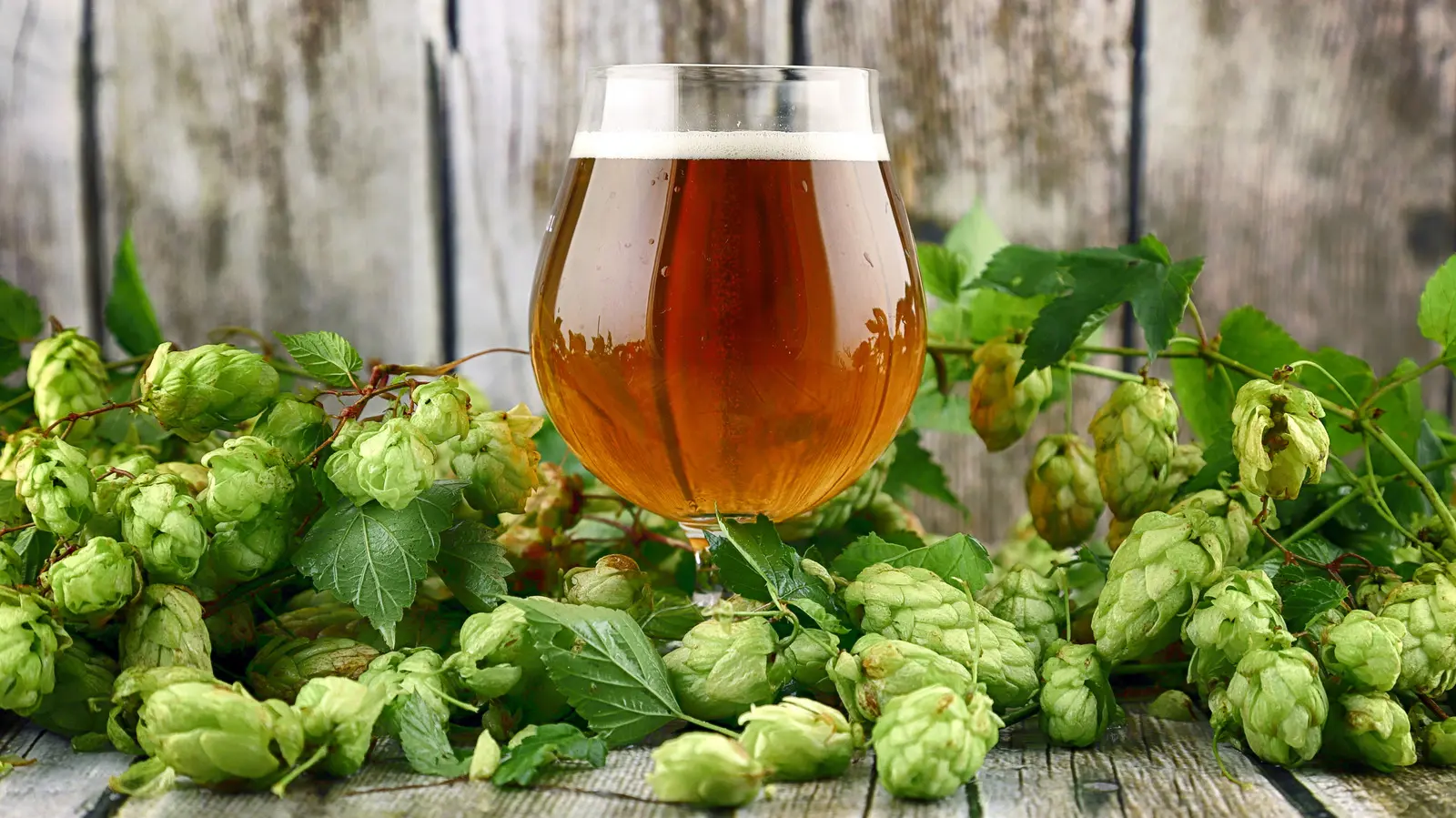 West Coast IPAs vs East Coast IPAs: A Flavor Battle Across the United States
Some chefs recommend incorporating papain-rich ingredients like pineapple juice in small amounts, though caution is advised to prevent the meat from becoming mushy. This enzymatic action works best when limited to 30 minutes of marinating time. How Does Cooking Temperature Affect Crispiness? Maintaining oil temperature between 325°F and 350°F ensures the exterior crisps without absorbing excess grease, while the interior reaches a safe 165°F without drying out. For oven-baked versions, a wire rack over a baking sheet allows hot air to circulate, promoting even browning on all sides. Experts warn against overcrowding the pan, which lowers temperature and leads to steaming instead of frying. Frequently Asked Questions What is the best way to store leftover chicken tenders? Cool them completely before placing in an airtight container in the refrigerator for up to three days. Reheat in an oven or air fryer to restore crispiness; microwaving tends to make them soggy.
Can chicken tenders be made gluten-free? Yes, by substituting all-purpose flour with rice flour, almond flour, or a certified gluten-free blend in the dredge. Ensure all seasonings and additives are also gluten-free to avoid cross-contamination. Is it necessary to pound the chicken before cutting into tenders? Pounding is not required if the breast is sliced evenly against the grain into uniform strips. However, gentle pounding can help achieve consistent thickness for more even cooking, especially with irregularly shaped breasts.
Content written by Tasting Table for fancy-meals.com editorial team, AI-assisted.