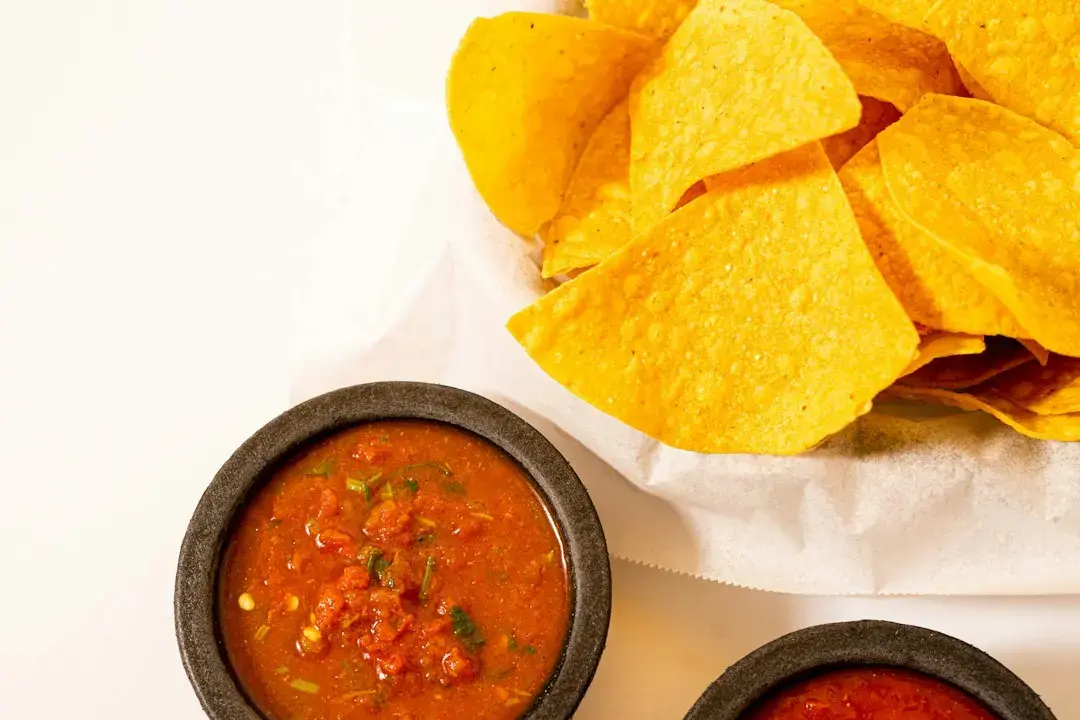
Why Fresh Salsa Beats Store-Bought Jars Every Time
The Art of Resting Ingredients
Home cooks seeking a simple culinary upgrade should start with fresh salsa. This basic preparation requires only four ingredients and minimal effort. It offers a superior alternative to pre-packaged options found in supermarkets. The process takes just ten minutes from start to finish. Unlike commercial products, this version allows for complete control over flavor profiles. You can adjust the heat level to your exact preference. No longer are you stuck with a mediocre medium spice. This dish is commonly known as pico de gallo or salsa fresca. It represents the foundation of Mexican-inspired cooking. Learning this skill eliminates the need for expensive jarred alternatives. The result is vibrant, bright, and significantly more flavorful than any store-bought version.
Latest news
 Best stainless-steel frying pans 2026: expert-tested picks for searing, eggs and daily cooking
 Trader Joe’s First‑Time Shopper Guide: Must‑Try Items
 Panda Express vs P.F. Chang's: Which Orange Chicken Is Healthier?
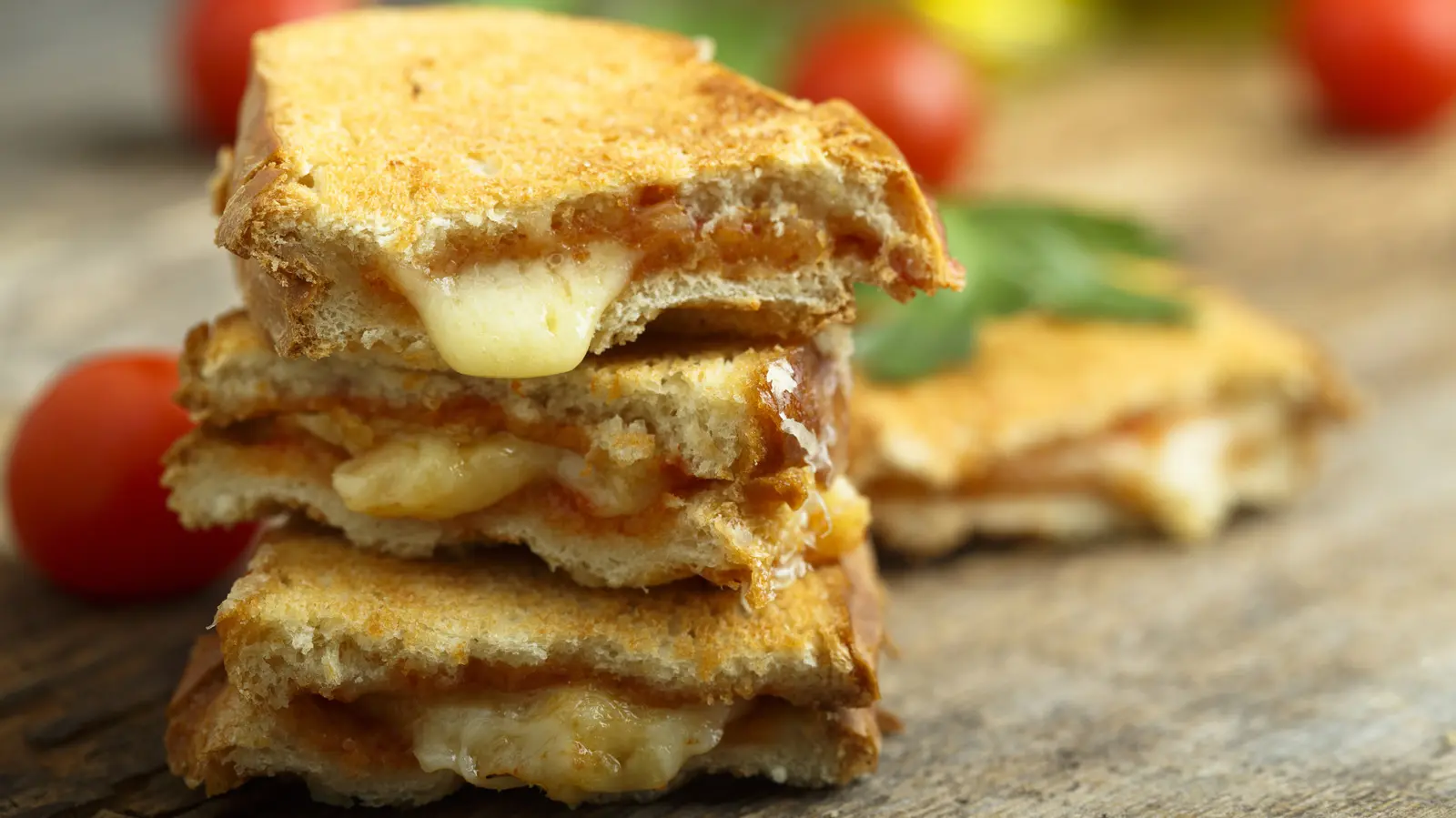 Prosciutto Elevates the Classic Grilled Cheese Sandwich
The secret to excellent fresh salsa lies not in complex techniques, but in patience. The core components include Roma tomatoes, white onion, jalapeno peppers, and fresh lime juice. All ingredients must be diced into very small pieces. Once chopped, the mixture is left to sit undisturbed. This resting period is the actual recipe. It allows the flavors to meld together naturally. The acids from the lime begin to break down the tomato cells. This creates a cohesive sauce rather than a salad. Without this step, the salsa remains disjointed. The resting time transforms raw vegetables into a unified condiment. It enhances the depth of flavor without adding extra salt or sugar. This method preserves the freshness of each component.
Does Dicing Size Matter?
Yes, precision in cutting is critical for texture. Large chunks create an uneven eating experience. Fine dicing ensures every spoonful contains a balanced mix of ingredients. The uniformity prevents bites that are all onion or all tomato. This consistency improves the overall mouthfeel. It also helps the lime juice distribute evenly throughout the mixture. Professional chefs emphasize this technique for home cooks. It bridges the gap between casual snacking and restaurant quality. The visual appeal also improves with consistent sizing. A well-diced salsa looks professional and appetizing. It invites diners to try it immediately.
The shift toward making salsa at home reflects a broader trend in cooking. People are moving away from processed foods. They seek control over what they eat. Fresh salsa fits this movement perfectly. It is cheap, fast, and highly customizable. As more people discover this simple skill, demand for jarred salsa may decline. The future of home cooking looks bright. Simple recipes like this one build confidence. They encourage experimentation with other fresh preparations. The impact on daily meals is immediate and positive.
How long should I let the salsa rest? Allow the mixture to sit for at least fifteen minutes before serving. This duration is sufficient for the flavors to integrate fully. Longer resting times can enhance the depth of taste further.
Frequently Asked Questions
Can I substitute different tomato varieties? Roma tomatoes are ideal because they have less water content. Other types may make the salsa too watery. Stick to firm varieties for the best texture and consistency.
Is this recipe suitable for meal prep? Fresh salsa is best consumed within a day or two. The flavors continue to develop as it rests. However, the texture may become softer over time.
Content written by Kalle Bergman for fancy-meals.com editorial team, AI-assisted.