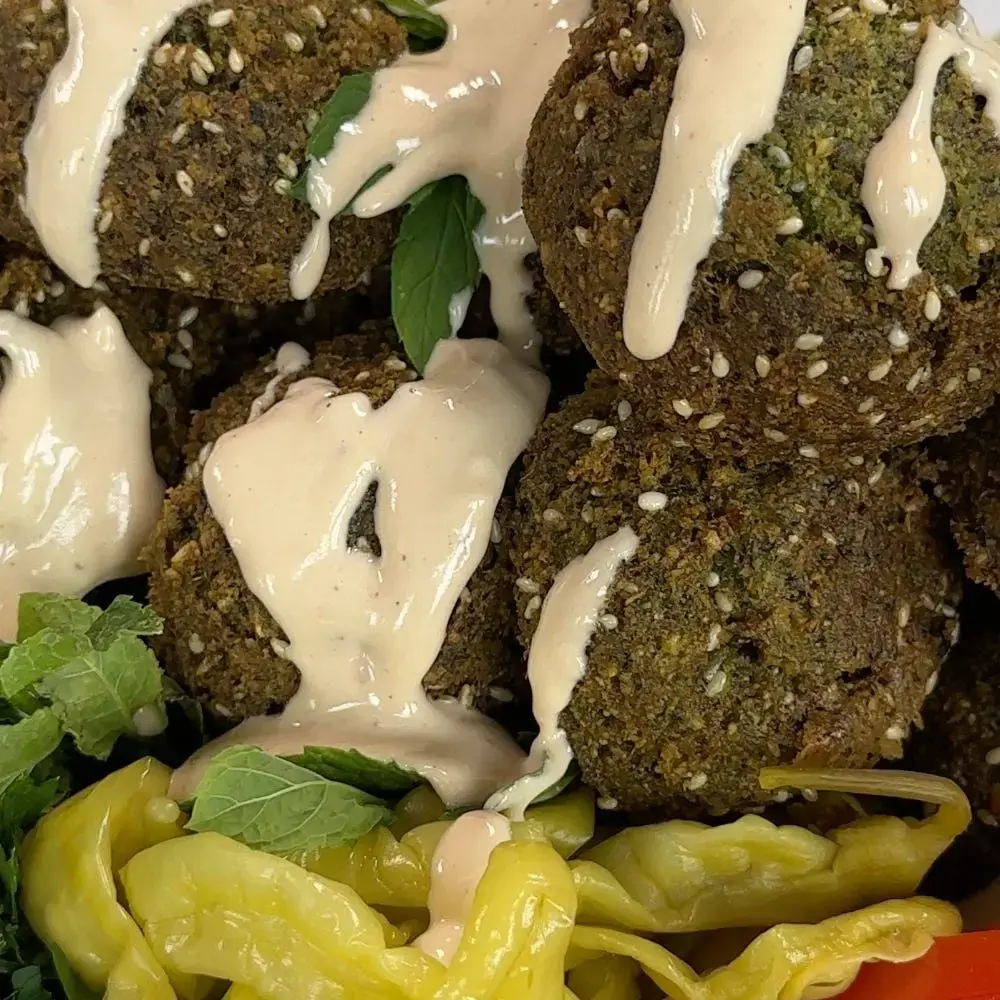
The Ultimate Homemade Falafel That Beats Store‑Bought Versions
Why This Falafel Stands Out From the Packaged Kind
A new recipe shared by culinary enthusiast Lina Saad promises a truly authentic falafel that could make shoppers abandon pre‑made packs. Designed for four servings, the dish requires a 20‑minute prep, an overnight soak for the chickpeas, a 30‑minute rest, and a final 30‑minute cooking time. It is dairy‑free, egg‑free, gluten‑free, high‑fiber, and fully vegan, catering to a wide range of dietary needs.
Latest news
 The Ultimate Homemade Chili Recipe for Cold Weather
 The Nutritional Power of Pumpkin Beyond Seasonal Desserts
 A Culinary Journey Through the 30th Epcot International Food and Wine Festival
 Burger King Unleashes Hello Kitty Kids' Meal with Ultra-Rare Golden Collectible
Saad’s method revives the traditional Middle Eastern street food by emphasizing fresh ingredients and precise timing. Soaked chickpeas are blended with herbs, spices, and aromatics before being shaped into balls and fried until crisp. The overnight soak softens the legumes, allowing the flavors of cumin, coriander, garlic, and parsley to meld fully. A brief resting period after shaping ensures the falafel hold together during frying, resulting in a crunchy exterior and a moist, fluffy interior. Saad notes that the simplicity of the recipe makes it accessible for home cooks, while the depth of taste rivals that of seasoned vendors.
Commercial falafel often rely on preservatives and pre‑ground mixes that can dull the nuanced spice profile. Saad’s version uses whole chickpeas, which retain a natural nuttiness absent in processed versions. The recipe’s vegan credentials also appeal to health‑conscious consumers seeking plant‑based protein without compromising texture. Additionally, the high fiber content supports digestive health, a benefit rarely highlighted in store‑bought alternatives. Testers have reported a richer aroma and a more satisfying crunch, attributing the improvement to the fresh herbs and the careful resting step that prevents crumbling.
Can Home‑Made Falafel Replace Fast‑Food Options?
The answer appears to be yes for many home chefs. By preparing falafel from scratch, cooks gain control over oil quality, seasoning levels, and portion sizes, reducing excess sodium and unhealthy fats typical of fast‑food servings. Saad suggests pairing the falafel with whole‑grain pita, fresh vegetables, and a tahini‑lemon sauce for a balanced meal. This approach not only cuts costs but also encourages a more mindful eating experience. As more people seek to replicate restaurant flavors at home, recipes like this could shift consumer habits away from packaged snacks toward fresher, more nutritious options.
The growing popularity of homemade, health‑forward recipes signals a broader trend: consumers are increasingly skeptical of processed foods and eager for authentic culinary experiences. Saad’s falafel, with its straightforward steps and impressive results, may inspire a wave of home cooking that challenges the convenience of pre‑made meals. If the recipe spreads through social media and cooking forums, it could reshape how falafel is enjoyed worldwide, reinforcing the value of tradition in modern kitchens.
Frequently Asked Questions
How long should the chickpeas soak before blending? Soak the dried chickpeas overnight, about 12‑14 hours, in plenty of cold water. This softens them without initiating fermentation, essential for texture.
Do I need to fry the falafel, or can I bake them? While frying yields the classic crisp crust, baking at 200 °C (390 °F) for 20‑25 minutes works for a healthier version, though the exterior will be less crunchy.
Can I freeze the shaped falafel balls for later use? Yes. Place the formed balls on a tray, freeze until solid, then transfer to a zip‑lock bag. Fry or bake directly from frozen, adding a minute or two to the cooking time.
Content written by Lucas Carter for fancy-meals.com editorial team, AI-assisted.