Panang Curry: Thailand’s Dense, Nutty Twist on Classic Curries
The Peanut Connection: Why Panang Feels Different
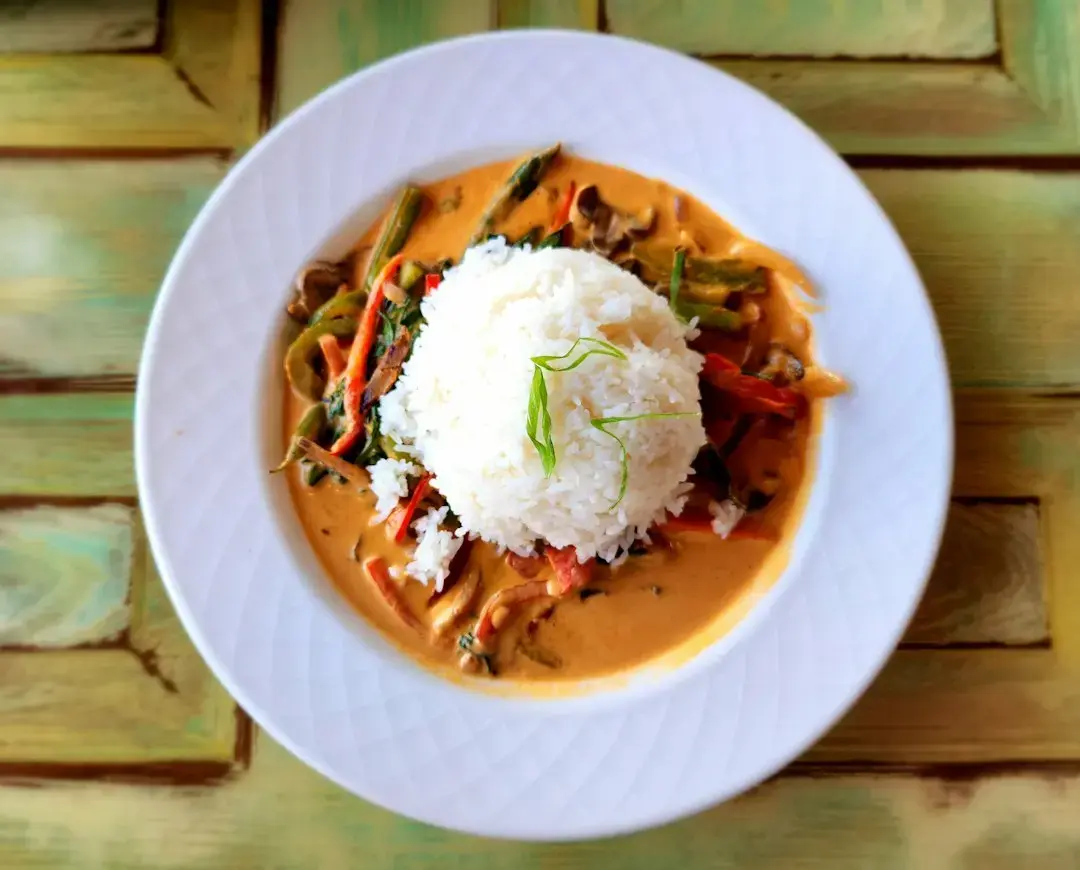
Panang curry, a staple of Thai cuisine, stands apart from its green and red cousins by offering a thicker, richer texture and a distinct peanut undertone. While green curry is known for its herbal brightness and red curry for its loose, fiery sauce, Panang coats its ingredients in a concentrated, nutty glaze that feels more substantial than standard Thai curries.
Latest news
 Moe's Southwest Grill Menu Items Ranked from Worst to Best
 Hot Honey Brussels Sprouts: A Sweet‑Spicy Side That Turns Heads
 Turn Your Pasta Sauce Into a Nutritional Powerhouse
 West Coast IPAs vs East Coast IPAs: A Flavor Battle Across the United States
The unique flavor profile of Panang comes from its signature paste, which blends dried chilies, galangal, lemongrass, and toasted peanuts. When simmered with coconut milk, the result is a velvety sauce that clings to chicken, beef, or tofu rather than pooling around them. The peanut paste not only adds depth but also balances the heat, making the dish approachable for diners who prefer a milder, sweeter taste.
Can Panang Replace Other Curries in Your Menu?
Unlike green or red curry, which rely heavily on fresh herbs and chili heat, Panang’s paste incorporates toasted peanuts, giving it a subtle nutty flavor that permeates the entire dish. This ingredient sets Panang apart, creating a sauce that is both creamy and slightly sweet. The result is a comforting, hearty meal that feels more like a stew than a soup. Chefs often note that the peanut base allows the curry to stay thicker, preventing it from becoming too watery even when cooked for extended periods.
The preparation of Panang paste is meticulous. Fresh chilies are blended with dried chilies, garlic, shallots, and a touch of lime zest. The mixture is then ground with a mortar and pestle, adding toasted peanuts and a splash of fish sauce for umami. The resulting paste is sautéed in oil before coconut milk is poured in, creating a rich, layered sauce that coats the protein and vegetables.
What Makes Panang a Popular Choice for Home Cooks?
Many restaurants are experimenting with Panang as a versatile alternative to traditional Thai curries. Its thicker consistency makes it easier to serve with rice or flatbread, and its nutty flavor pairs well with a variety of proteins. For diners who find green curry too sharp or red curry too watery, Panang offers a satisfying middle ground. Additionally, the peanut component can be adjusted to cater to dietary restrictions, making it a flexible option for diverse palates.
The popularity of Panang has grown in recent years, especially in fusion restaurants that blend Thai flavors with Western ingredients. Chefs have started adding grilled shrimp, sautéed mushrooms, or even quinoa to the dish, maintaining the core peanut paste while introducing new textures. This trend reflects a broader movement toward adaptable, ingredient-driven curries that can be customized for individual taste preferences.
Frequently Asked Questions
Panang curry’s forgiving nature makes it a favorite for home cooking. Because the sauce thickens as it simmers, it doesn’t require constant stirring or the addition of thickening agents. Home cooks can prepare a batch of paste in advance, store it in the refrigerator, and simply reheat it with coconut milk and protein for a quick, flavorful meal. The dish’s balanced flavor also makes it suitable for families, as it is not overwhelmingly spicy and can be easily moderated by adjusting the amount of chili.
The dish’s cultural significance is also noteworthy. Panang curry is often served at Thai celebrations and family gatherings, symbolizing comfort and togetherness. Its rich, nutty sauce reflects the Thai tradition of using local ingredients—like peanuts—to create depth and complexity in everyday meals.
Content written by Kalle Bergman for fancy-meals.com editorial team, AI-assisted.