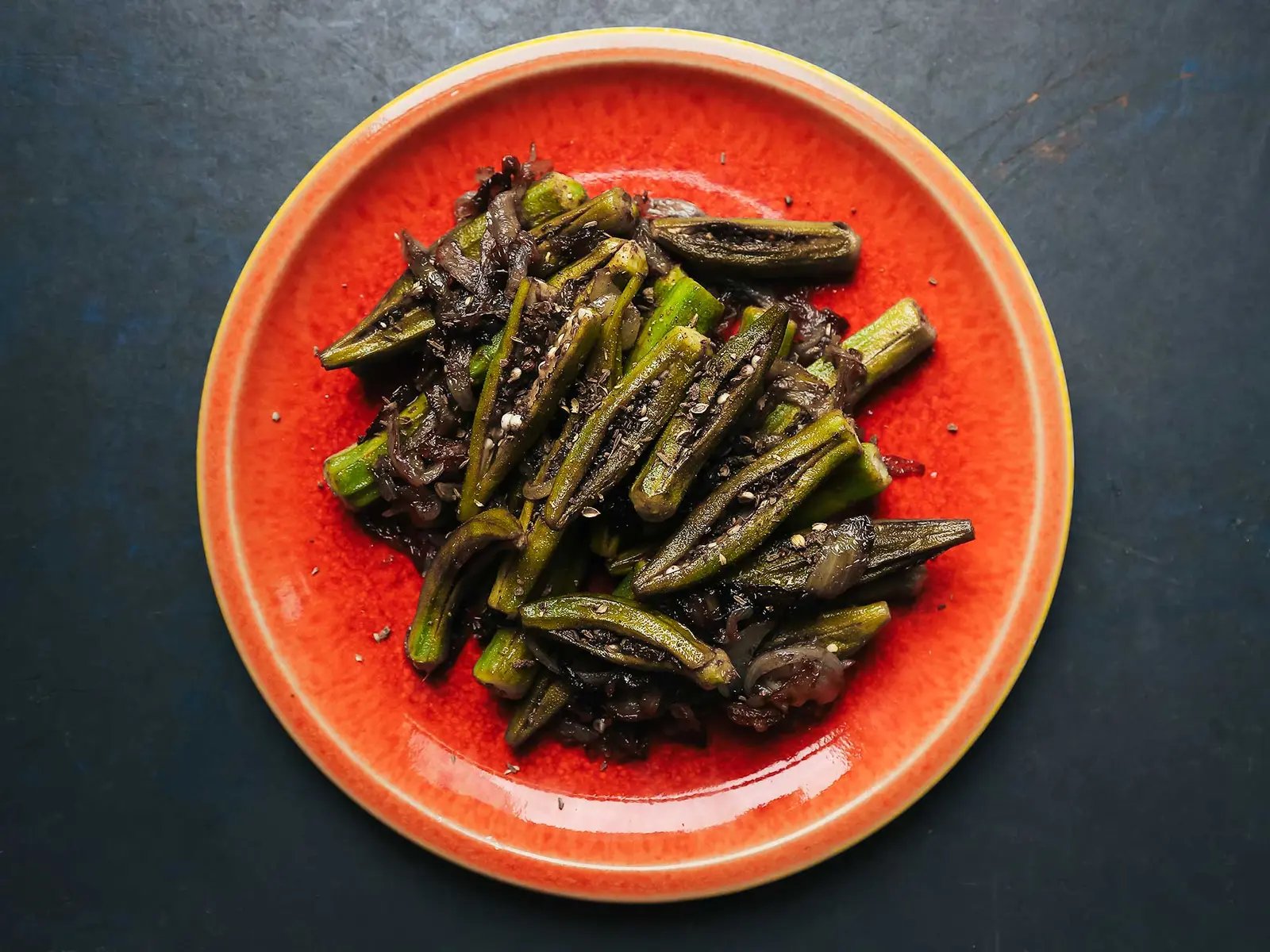
Okra’s Summer Spotlight: From Market Stalls to the Kitchen
The Science Behind Okra’s Signature Slip
Each summer, farmers markets brim with okra pods in shades from vivid green to deep purple. The vegetable’s ridged shape and crisp bite make it instantly recognizable. When cooked, okra releases a natural mucilage that can lend a silky smoothness or, to some, a slimy texture, depending on personal preference.
Latest news
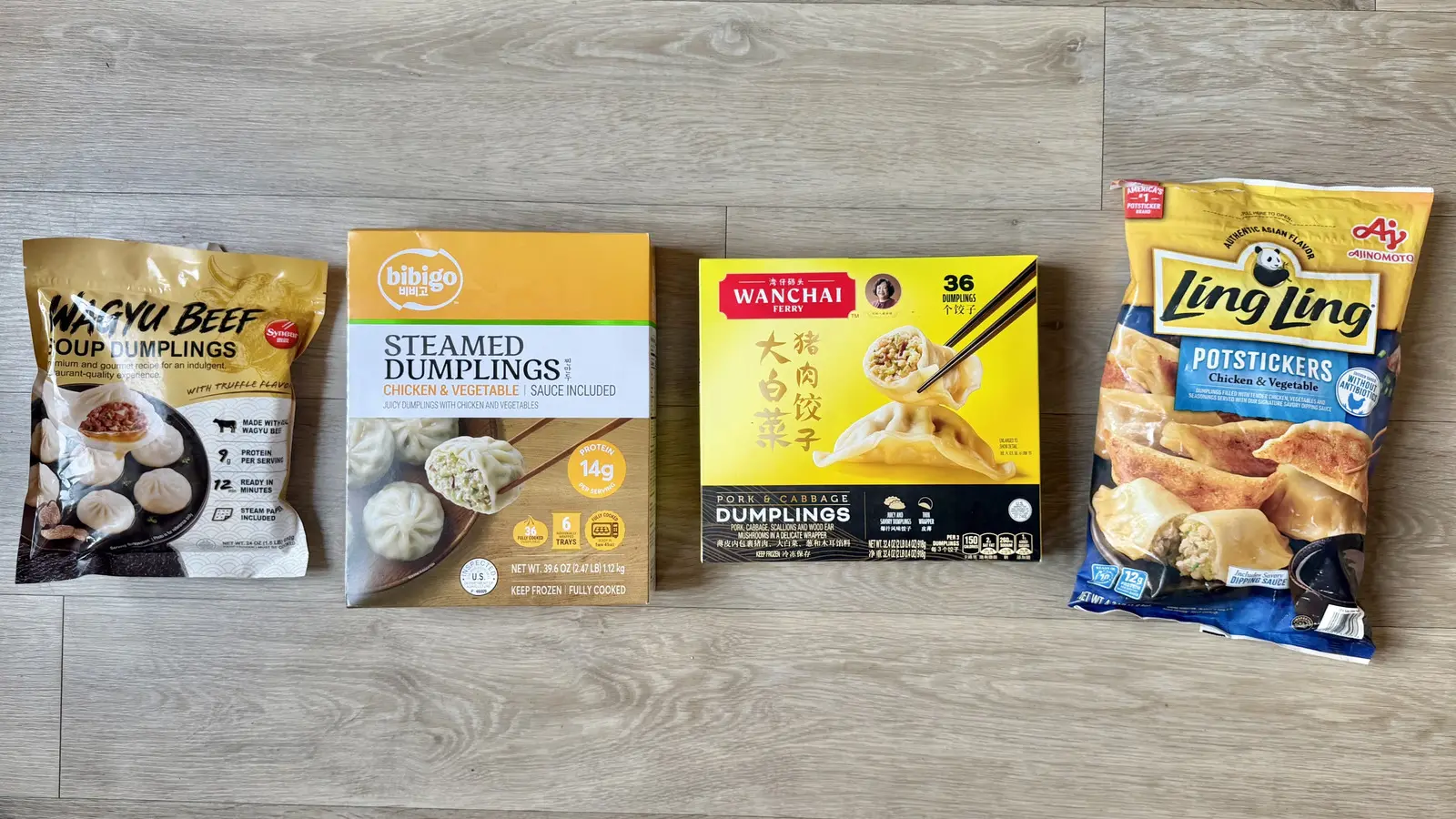 Costco's Frozen Dumpling Lineup, Ranked From Least To Most Tasty
 Best stainless-steel frying pans 2026: expert-tested picks for searing, eggs and daily cooking
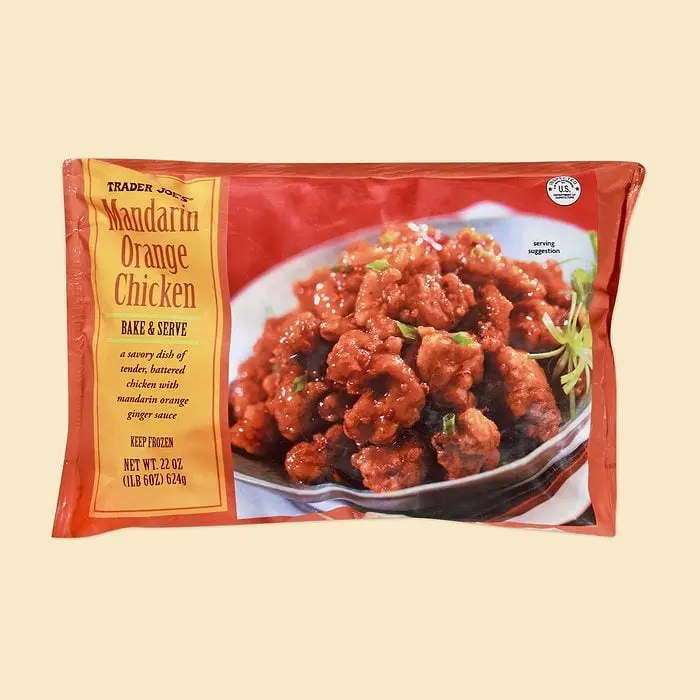 Trader Joe’s First‑Time Shopper Guide: Must‑Try Items
 Panda Express vs P.F. Chang's: Which Orange Chicken Is Healthier?
The seasonal surge brings a wave of culinary possibilities. Chefs and home cooks alike turn to okra for hearty gumbos, aromatic curries, tangy pickles, and quick stir‑fries. Its unique texture holds sauces well, while the subtle flavor adapts to bold spices or simple seasoning. The vegetable’s versatility explains why it reappears on menus each year, celebrated for both its visual appeal and its ability to transform dishes.
Okra’s mucilage is a soluble fiber that thickens liquids as it heats. In gumbo, this property replaces roux, creating a velvety base without extra fat. In stir‑fries, a brief, high‑heat cook minimizes slime, preserving a pleasant crunch. Nutritionists note that the fiber also supports digestive health, making okra a functional ingredient beyond its culinary charm.
Can Okra Be Made Truly „Non‑Slimy,” or Is That a Myth?
Many wonder if the dreaded slime can be eliminated. Techniques such as drying the pods, cutting them into larger pieces, or adding acidic components like tomatoes can reduce mucilage release. However, the fiber is inherent; the goal is often to balance texture rather than erase it entirely. Embracing the slight slickness can enhance sauces, while careful preparation keeps it from overwhelming a dish.
As summer fades, the market’s okra supply dwindles, but its impact lingers. Home cooks experiment with new recipes, and restaurants feature seasonal specials that showcase the vegetable’s adaptability. Expect a continued rise in creative okra dishes, driven by both tradition and modern culinary curiosity.
Frequently Asked Questions
Why does okra become slimy when cooked? The slime comes from soluble fibers called mucilage that dissolve into the cooking liquid, thickening it.
What cooking method best preserves okra’s crunch? A quick, high‑heat stir‑fry or grilling keeps the pods firm and limits mucilage release.
Can I store fresh okra for later use? Yes, keep it in a perforated bag in the refrigerator’s crisper drawer; use within a few days for optimal texture.
Content written by Henry Cross for fancy-meals.com editorial team, AI-assisted.