French 75 Cocktail Gains Fresh Spotlight at Summer Gatherings
The Science Behind the Sparkle
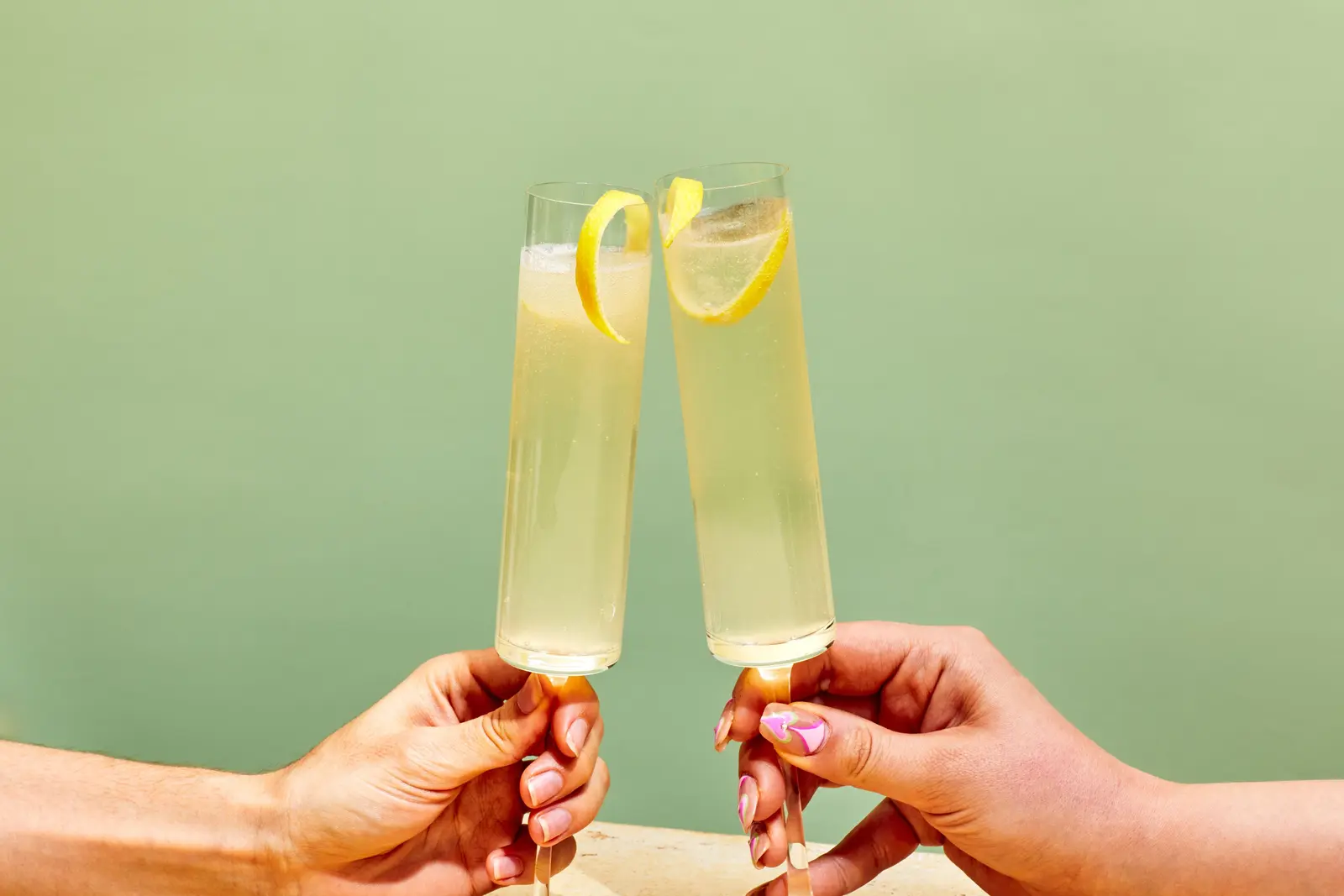
The French 75, a sparkling blend of gin, lemon juice, sugar and Champagne, is seeing a surge in popularity at upscale parties and rooftop bars across the United States. First documented in the early 20th century, the drink’s crisp, citrus‑forward profile makes it a go‑to choice for hosts seeking a sophisticated yet refreshing libation. Recent social‑media trends show bartenders highlighting the cocktail’s elegant presentation and its ability to pair with a wide range of appetizers.
Latest news
 The Ultimate Homemade Chili Recipe for Cold Weather
 The Nutritional Power of Pumpkin Beyond Seasonal Desserts
 A Culinary Journey Through the 30th Epcot International Food and Wine Festival
 Burger King Unleashes Hello Kitty Kids' Meal with Ultra-Rare Golden Collectible
The resurgence can be traced to a combination of nostalgia and modern mixology. Classic cocktail enthusiasts appreciate the drink’s historic roots—named after the French 75mm field gun for its „punchy” impact—while younger patrons are drawn to its bright flavor and festive bubbles. Bars are experimenting with variations, swapping traditional gin for botanical‑rich alternatives or adding herbs like thyme to deepen complexity. The drink’s simplicity also appeals to home entertainers; a handful of ingredients and a shaker are all that’s needed to recreate the bar‑level experience.
Champagne’s effervescence does more than add visual flair; the carbon dioxide enhances aromatic perception, making the citrus notes of lemon juice and the botanical nuances of gin more pronounced. Studies in sensory science suggest that the fizz can amplify perceived sweetness, allowing bartenders to use less sugar while maintaining balance. This chemistry explains why the French 75 feels lighter than many other spirit‑forward cocktails, despite its high alcohol content.
Will the French 75 Remain a Seasonal Favorite?
Mixologists emphasize the importance of temperature control. Chilling the glass, using ice‑cold Champagne, and shaking the gin‑lemon‑sugar mixture vigorously ensure a crisp mouthfeel. „A well‑executed French 75 should feel like a cool breeze on a warm day,” says veteran bartender Elena Ruiz of New York’s Skyline Lounge. She adds that a thin garnish of lemon peel not only adds aroma but also signals the drink’s citrus backbone to the palate.
While the cocktail traditionally shines during spring and summer, its versatility may keep it relevant year‑round. Restaurants are pairing it with winter menus, offering versions that incorporate spiced syrups or amber‑colored sparkling wines for a festive twist. Consumer data from beverage distributors indicate a 12 percent rise in Champagne sales during the first quarter of 2024, suggesting that the French 75 could benefit from broader trends in sparkling wine consumption. If establishments continue to innovate while honoring the drink’s classic roots, the French 75 is poised to become a staple beyond the warm‑weather calendar.
Frequently Asked Questions
What is the origin of the French 75’s name? The cocktail was named after the French 75mm field gun used in World War I, reflecting its powerful, rapid „kick” when consumed.
Can I substitute the gin with another spirit? Yes, many bartenders replace gin with vodka for a smoother profile or use a botanical‑rich gin to highlight herbal notes, though the classic recipe calls for London dry gin.
How do I achieve the perfect balance of sweetness? Start with a simple syrup ratio of one part sugar to one part water, then adjust to taste. The carbonation of Champagne often reduces the need for excess sweetness.
Content written by Lucas Carter for fancy-meals.com editorial team, AI-assisted.