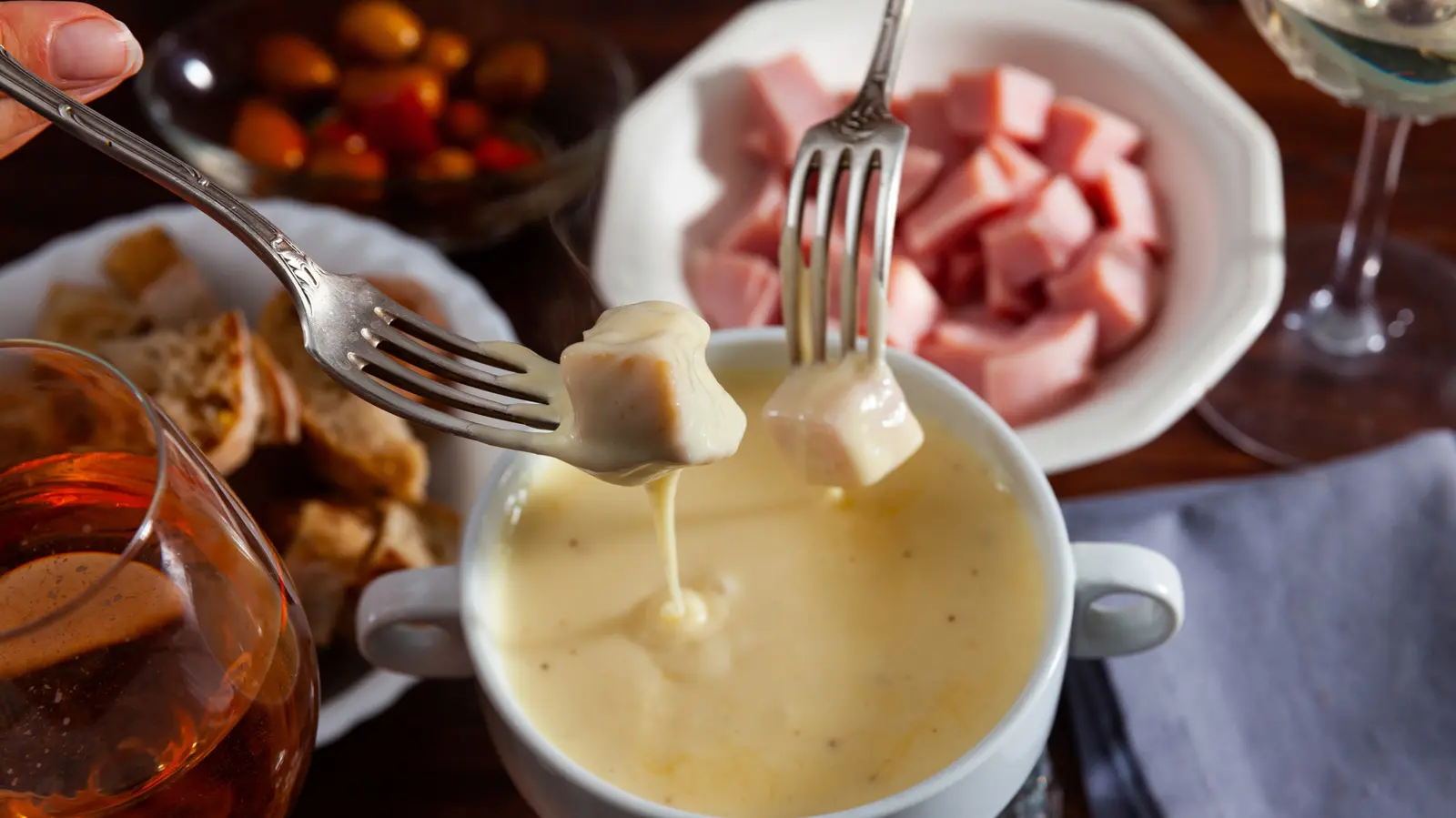
Nostalgic 1970s Appetizers Defined Decades Of American Dinner Parties
Iconic Dishes That Dominated The 1970s Table
In the 1970s, American dinner parties featured specific appetizers that defined social dining culture. Hosts served items like deviled eggs and rumaki to guests. These dishes became staples of the era. They represented a distinct culinary moment in history. Understanding these foods reveals how Americans entertained friends and family during that decade. The menu choices reflected broader cultural trends of the time.
Latest news
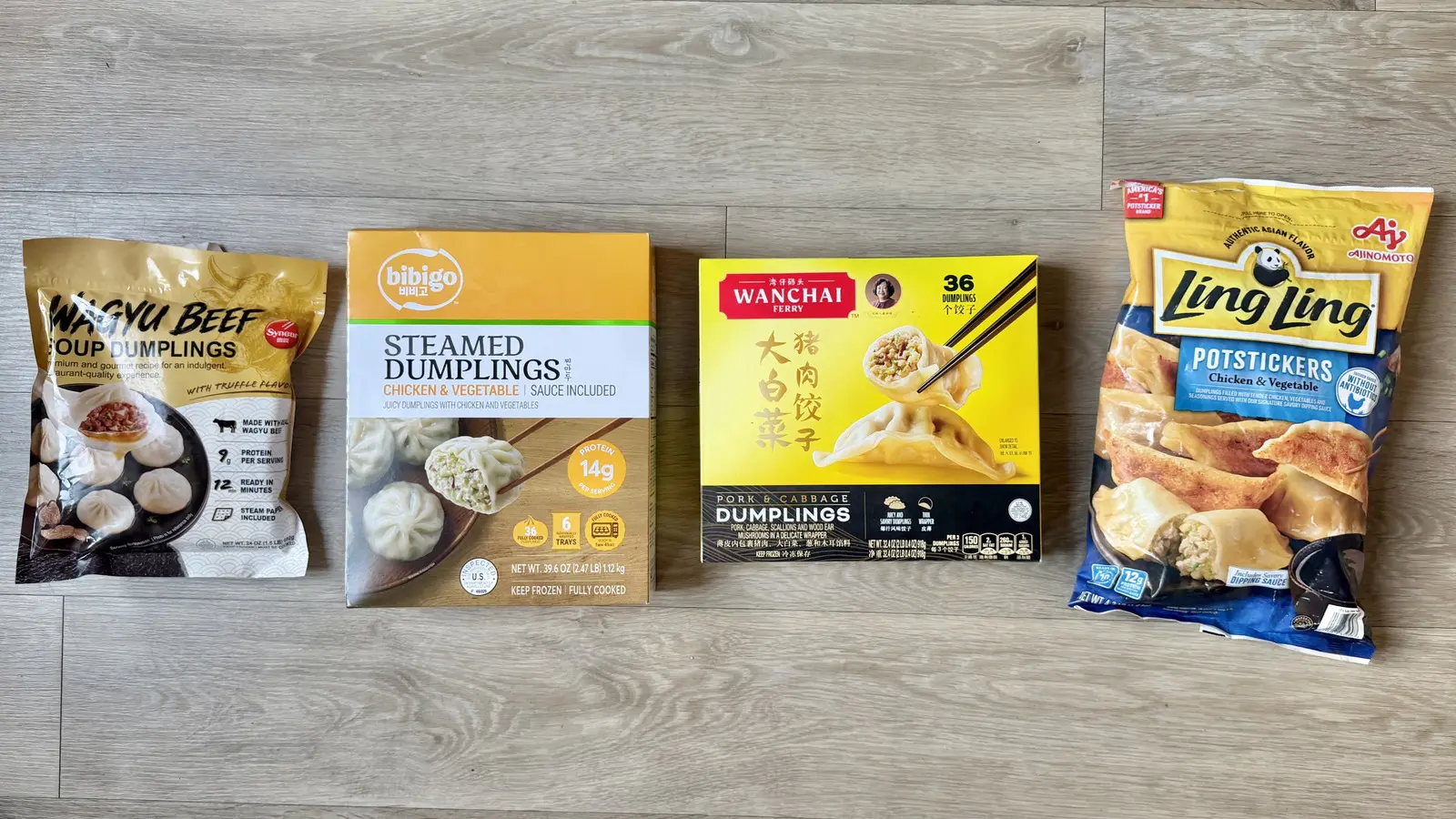 Costco's Frozen Dumpling Lineup, Ranked From Least To Most Tasty
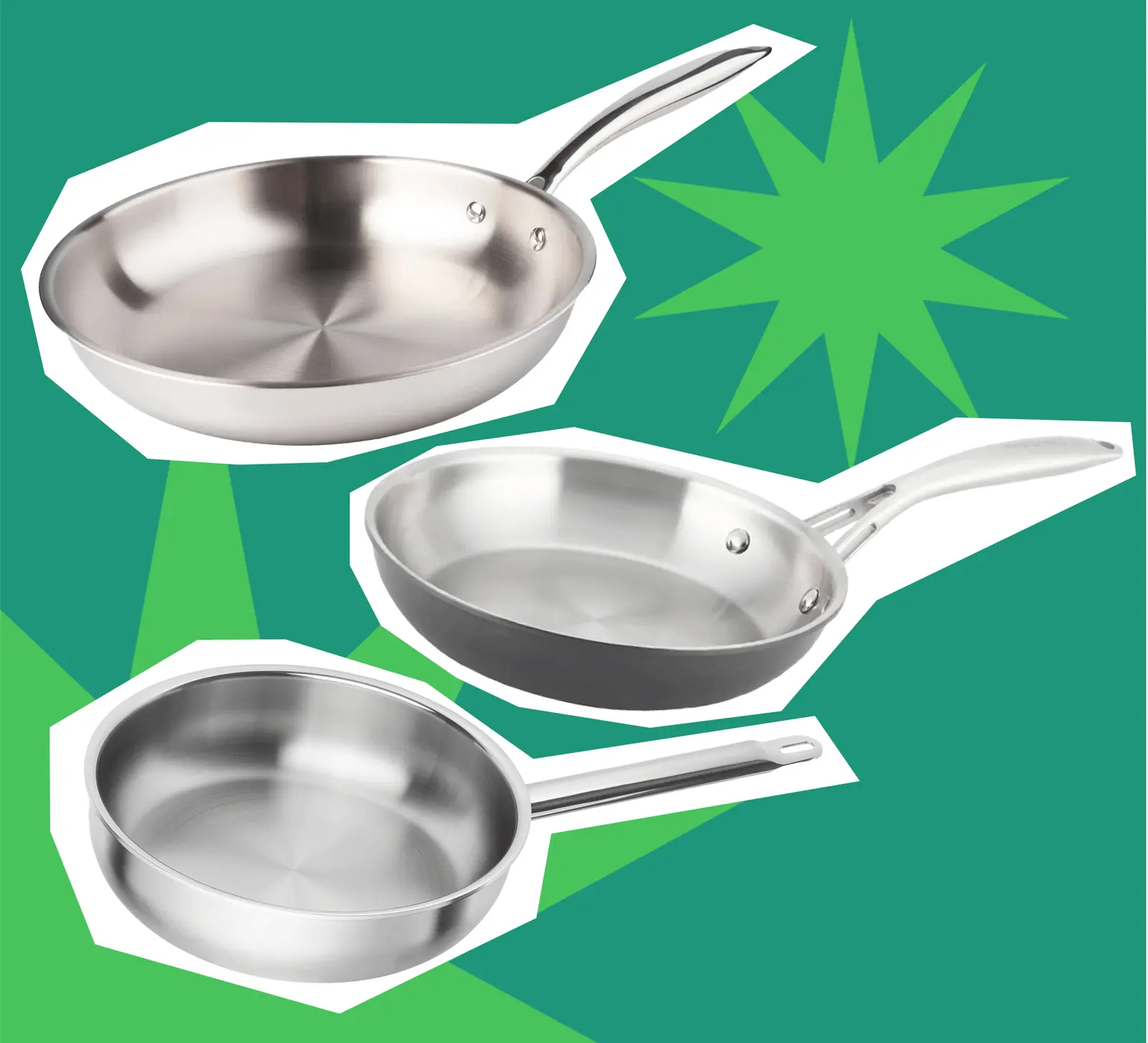 Best stainless-steel frying pans 2026: expert-tested picks for searing, eggs and daily cooking
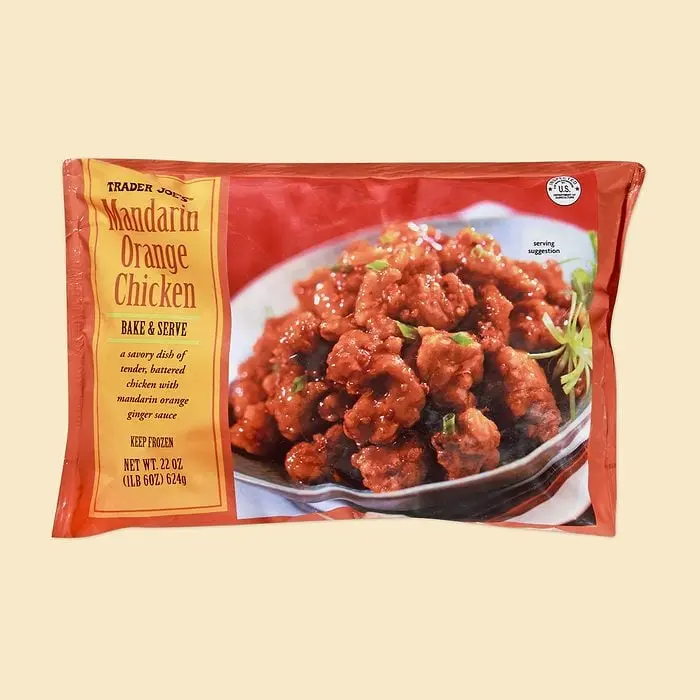 Trader Joe’s First‑Time Shopper Guide: Must‑Try Items
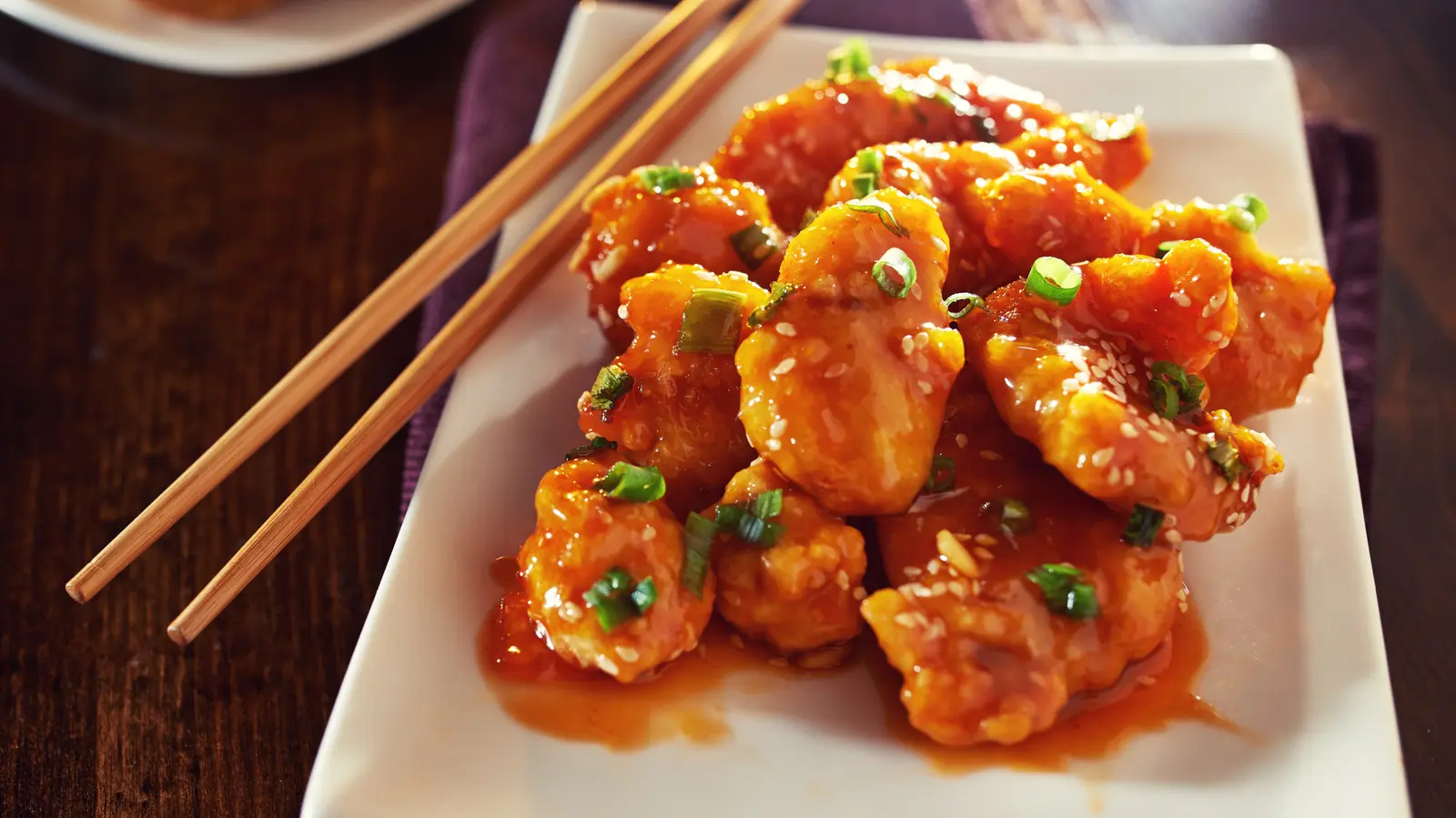 Panda Express vs P.F. Chang's: Which Orange Chicken Is Healthier?
The 1970s saw a shift in home entertaining habits. Home cooks relied on simple, crowd-pleasing recipes. Deviled eggs remained a top choice for their affordability. Rumaki rolls offered an exotic twist on traditional flavors. These items were easy to prepare in large batches. They allowed hosts to focus on conversation rather than complex cooking. The era favored comfort food that could feed many people quickly.
Specific recipes held strong positions in household kitchens. Quiche Lorraine provided a savory option for early courses. Meatloaf often appeared as a main dish but influenced appetizer spreads. Tuna casserole demonstrated the popularity of canned ingredients. These foods were accessible to most families. They required minimal skill to execute well. The simplicity of these dishes made them reliable party favorites. Guests expected these items on the menu. Their presence signaled a successful host.
Why These Appetizers Remained Popular For Decades
The cultural context of the 1970s influenced food choices. Economic factors played a role in menu planning. Many households sought value in their grocery spending. Canned goods and pre-made components were common. This trend extended beyond just appetizers. It affected entire meals. The decade also saw the rise of microwave technology. This innovation changed how people prepared food. However, traditional oven-baked items still dominated social gatherings. The blend of old and new techniques created unique culinary experiences.
Durability and ease of preparation ensured longevity. Deviled eggs could be made ahead of time. This feature was crucial for busy hosts. Rumaki rolls could be assembled quickly before serving. These practical benefits kept the dishes in rotation. They fit well within the lifestyle of the era. People valued convenience without sacrificing taste. The social aspect of sharing these foods also contributed to their success. Eating together reinforced community bonds. These appetizers facilitated interaction among guests.
Frequently Asked Questions
Looking forward, these 1970s staples continue to influence modern menus. Many restaurants now serve retro versions of these classics. Food historians study them to understand past dietary habits. The legacy of these dishes persists in contemporary cooking. They remind us of a simpler time in American dining. As we revisit these recipes, we gain insight into historical trends. The connection between food and memory remains strong. These appetizers stand as edible artifacts of the seventies.
Why were deviled eggs so popular in the 1970s? Deviled eggs were affordable and easy to prepare. They could be made in advance, saving time for hosts. Their simple flavor profile appealed to a wide audience.
Did rumaki rolls originate in America? Rumaki rolls gained popularity in the United States during the 1970s. While the concept existed earlier, it became a standard party item in this decade. The dish combined prawns and mushrooms in a convenient format.
Content written by Victoria Lane for fancy-meals.com editorial team, AI-assisted.