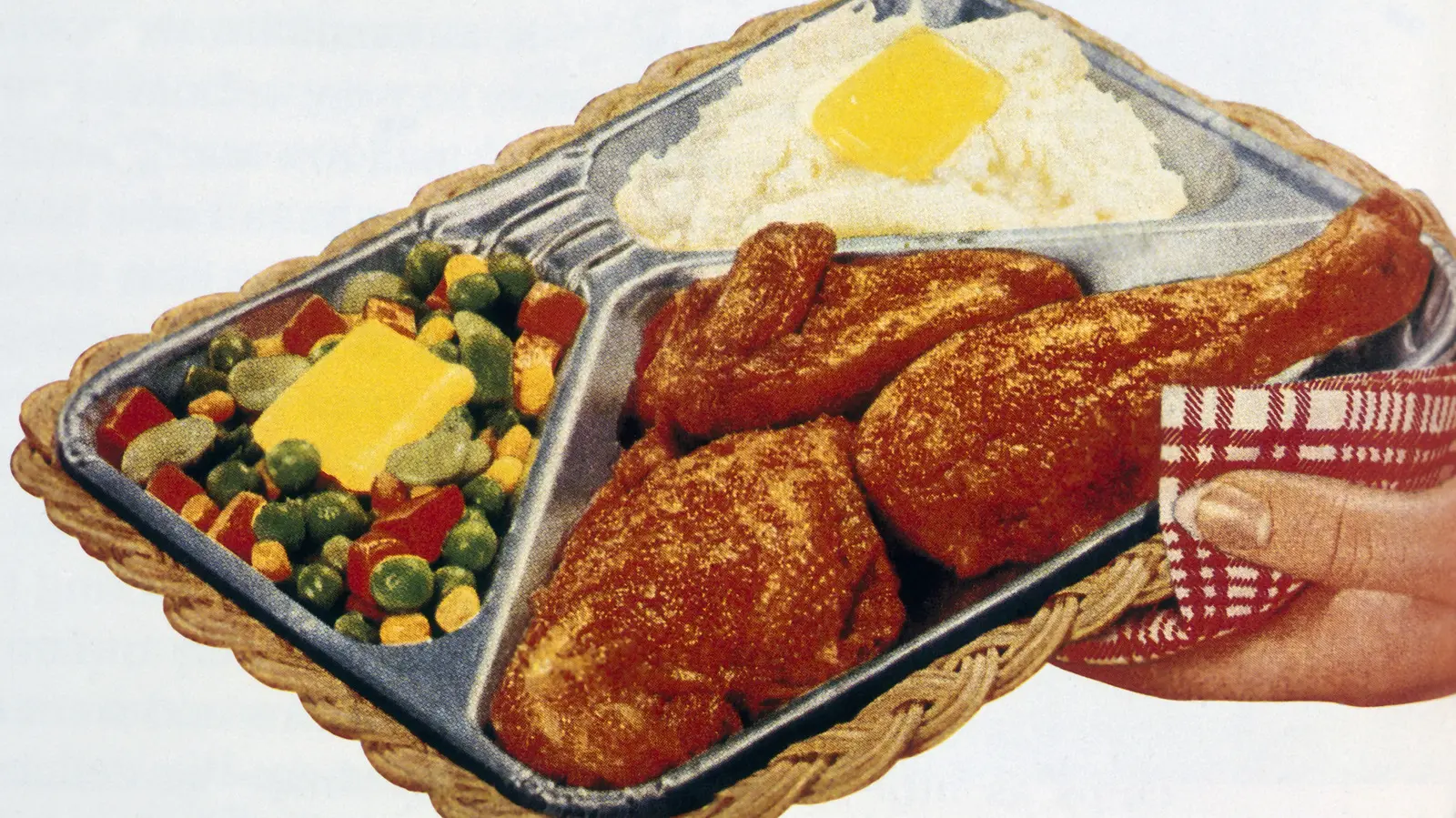
8 Retro Frozen TV Dinners That Defined 1970s Family Meals
The Golden Age of TV Dinner Innovation
In the golden age of television, families across America gathered around their TV sets not just to watch shows, but to enjoy meals straight from the freezer. The 1970s saw frozen dinners become a kitchen staple, transforming how households approached convenience cooking. These pre-packaged meals promised time savings and consistent flavors during an era of rapid social change.
Latest news
 Costco's Frozen Dumpling Lineup, Ranked From Least To Most Tasty
 Best stainless-steel frying pans 2026: expert-tested picks for searing, eggs and daily cooking
 Trader Joe’s First‑Time Shopper Guide: Must‑Try Items
 Panda Express vs P.F. Chang's: Which Orange Chicken Is Healthier?
The rise of TV dinners coincided with the proliferation of television ownership in American homes. Companies like Swanson, Green Giant, and General Foods capitalized on this trend by offering diverse frozen meal options. Each dinner came in its own aluminum tray, complete with separate compartments for different food items. The process was simple: purchase, heat, and eat while watching your favorite program.
The 1970s marked a period of remarkable creativity in frozen meal development. Manufacturers experimented with flavors, textures, and presentation styles to capture consumer attention. Popular options included the classic Swanson Turkey Dinner, which became synonymous with the concept. Other notable entries featured beef stew, chicken a la king, and meatloaf with mashed potatoes.
These meals often included a small fork and knife, emphasizing their role as complete dining solutions. Marketing campaigns prominently featured families enjoying meals together in front of the television. The imagery reinforced post-war American values of convenience and family togetherness.
Which TV Dinners Stood Out From the Crowd?
Beyond the well-known Swanson brand, several other frozen dinners carved out their own niches in the marketplace. Green Giant offered vegetable-focused options that appealed to health-conscious consumers. Jeanie's TV Dinners provided international cuisine at affordable prices. These alternatives demonstrated the growing diversity within the frozen food industry.
The appeal of TV dinners extended beyond mere convenience. They represented modernity and progress, embodying the optimistic spirit of the 1970s. For working parents, these meals provided a solution to the challenge of preparing homecooked food after long days.
As the decades progressed, fresh food movements and gourmet cooking trends gradually diminished the popularity of TV dinners. However, nostalgia has sparked a surprising revival in recent years. Some specialty producers now recreate classic formulations using premium ingredients. Food enthusiasts rediscover these meals not just for convenience, but for their historical significance and unique flavors.
The Decline and Unexpected Resurgence
The legacy of 1970s TV dinners continues to influence modern meal planning. Their impact on food manufacturing and convenience culture remains evident in today's supermarket offerings. These frozen treasures remind us that culinary innovation often emerges from simple solutions to everyday challenges.
What made TV dinners so popular in the 1970s?
TV dinners gained popularity because they offered convenience during an era when many women entered the workforce. They eliminated the need for daily meal planning and cooking, saving valuable time for busy families.
Frequently Asked Questions
How were traditional TV dinners prepared?
Consumers would remove the plastic lid, microwave or oven-heat the aluminum tray for about 30 minutes, then eat directly from the compartmentalized container using the included utensils.
Are any classic TV dinners still available today?
While most original formulations are discontinued, some brands like Swanson still produce turkey dinners. Specialty companies also recreate vintage recipes for nostalgic consumers seeking authentic 1970s flavors.
Content written by Tasting Table for fancy-meals.com editorial team, AI-assisted.