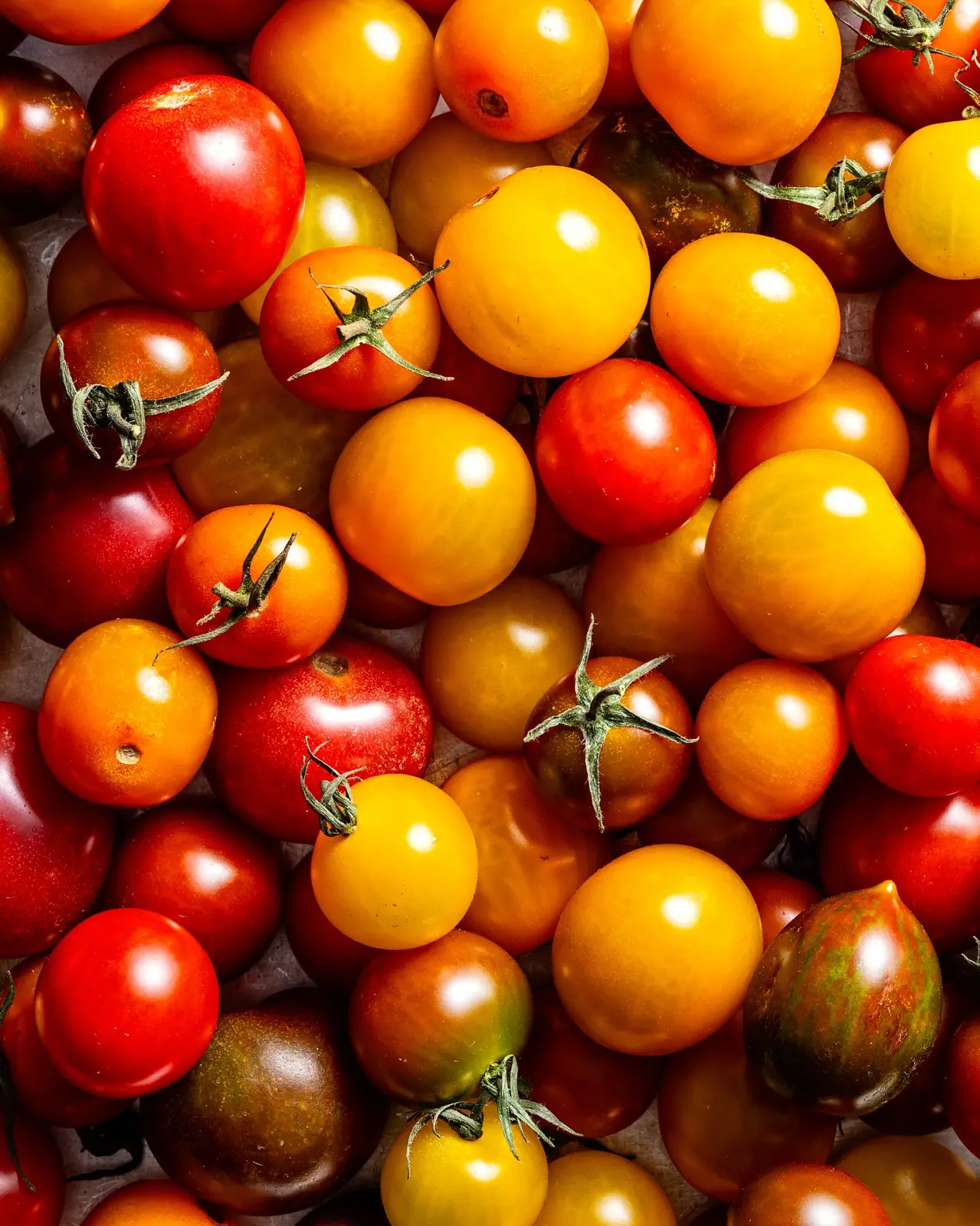
How to Bring Tomatoes to Full Ripeness at Home
How Ethylene Drives Flavor Development
Tomatoes are a staple in kitchens worldwide, but their flavor depends on proper ripening. Whether you grow them in a backyard garden or buy them from a market, unripe tomatoes can ruin salads, sauces, and sauces. Experts explain how to accelerate ripening and what to watch for to ensure juicy, flavorful fruit.
Latest news
 The Ultimate Homemade Chili Recipe for Cold Weather
 The Nutritional Power of Pumpkin Beyond Seasonal Desserts
 A Culinary Journey Through the 30th Epcot International Food and Wine Festival
 Burger King Unleashes Hello Kitty Kids' Meal with Ultra-Rare Golden Collectible
Tomatoes start green and hard, then gradually soften and turn red. The process takes several days, but the timing can be shortened by creating the right conditions. A warm, dry environment and good airflow are key. Place unripe fruit on a countertop or in a paper bag. The bag traps the fruit’s own ethylene gas, a natural ripening hormone, and speeds up the change. Avoid refrigeration, which stalls ripening and can cause a mealy texture.
Can You Ripen Tomatoes in the Refrigerator?
Ethylene is a gas produced by many fruits, including tomatoes. When trapped around the fruit, ethylene signals cells to break down starches into sugars and acids. This conversion gives tomatoes their characteristic sweetness and tang. A study by the University of California found that tomatoes stored in a paper bag at 20 °C (68 °F) ripened three days faster than those left on a shelf. The bag also reduced moisture loss, keeping the fruit plump.
Gardeners often pair tomatoes with bananas or apples to boost ethylene levels. However, the effect is modest; the primary driver remains the fruit’s own production. For those who prefer a more controlled method, a small plastic container with a loose lid can also trap ethylene while allowing some airflow to prevent mold.
What Happens if You Over‑Ripen?
A common question is whether refrigeration helps ripening. The answer is no. Cold temperatures slow down the enzymatic processes that convert starches to sugars. A refrigerator set below 10 °C (50 °F) can halt ripening entirely. If you need to store ripe tomatoes, keep them at room temperature for a day or two before refrigerating. Once chilled, the fruit will stay fresh for a week, but the flavor will be muted.
If you have a batch of green tomatoes that you want to use immediately, slice them thin and place them in a shallow pan. Heat them gently on low heat for 10–15 minutes. The heat triggers the ripening enzymes and can give you a quick, if not fully mature, flavor boost. This technique is popular in some Latin American kitchens for making quick salsas.
Frequently Asked Questions
Over‑ripened tomatoes become soft and bruise easily. The cell walls break down, releasing water that can make sauces watery. In salads, the texture can feel mushy. For cooking, over‑ripened tomatoes are ideal for thick sauces, but they lose the bright, fresh taste that many dishes require. Monitoring the color and firmness is essential: a firm, deep red usually signals peak ripeness.
In commercial settings, tomatoes are often harvested when they are still firm and then aged in controlled environments. This practice ensures consistency in flavor and texture across large batches. Home growers can mimic this by selecting slightly underripe fruit and allowing it to mature in a shaded area before using it in recipes that call for a firmer bite.
Content written by Lulu Grimes for fancy-meals.com editorial team, AI-assisted.