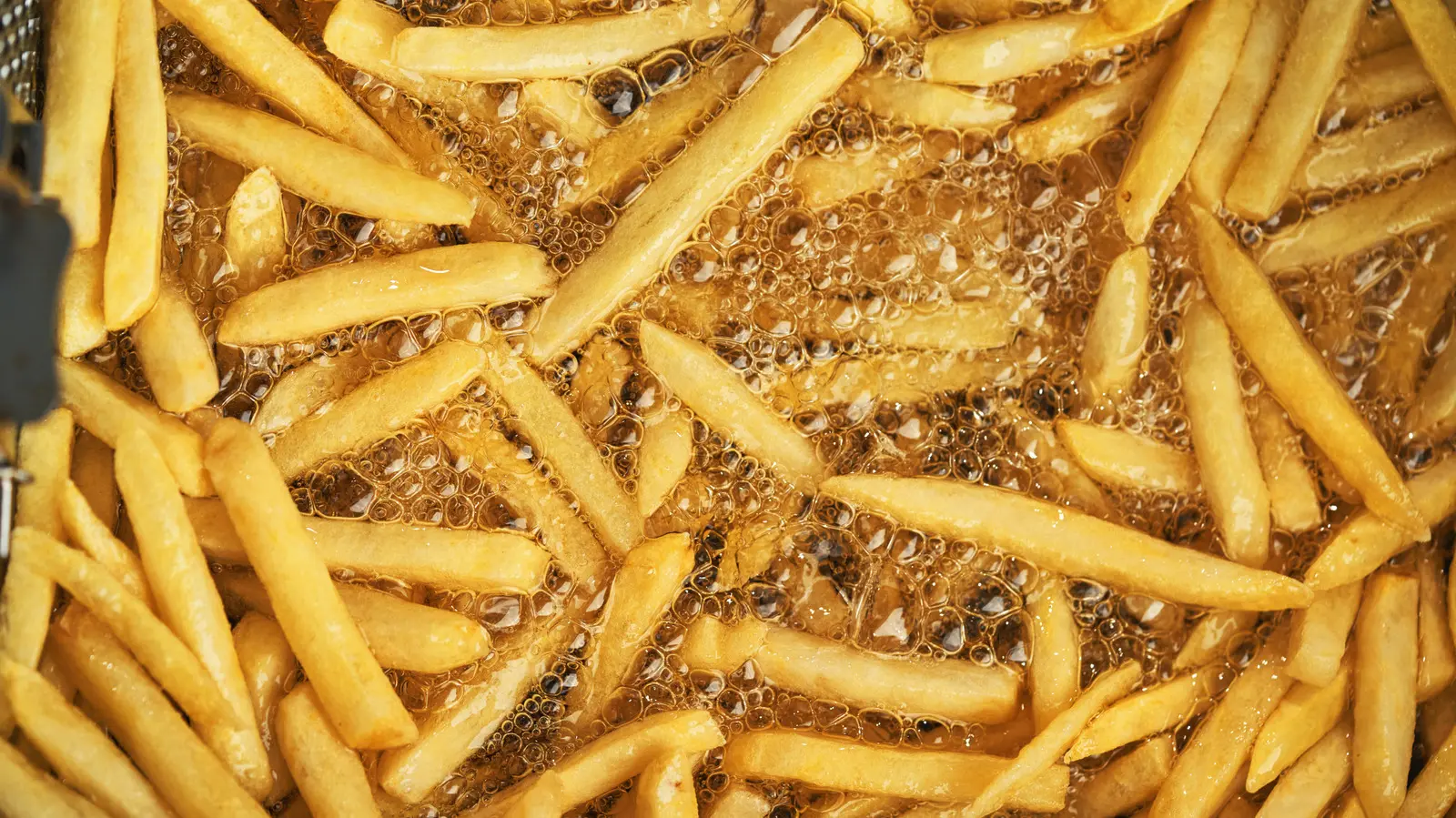
How to Make Crispy, Golden French Fries at Home
The Role of Temperature and Timing
A new kitchen trick promises to turn ordinary potatoes into restaurant‑style fries, delivering a crunchy exterior and fluffy interior every time. The method, which can be done in a standard oven or deep fryer, has been shared by culinary enthusiasts who swear it outperforms frozen sticks.
Latest news
 Costco's Frozen Dumpling Lineup, Ranked From Least To Most Tasty
 Best stainless-steel frying pans 2026: expert-tested picks for searing, eggs and daily cooking
 Trader Joe’s First‑Time Shopper Guide: Must‑Try Items
 Panda Express vs P.F. Chang's: Which Orange Chicken Is Healthier?
The technique involves a simple two‑step soaking process. First, cut potatoes into uniform sticks and rinse them under cold water to remove excess starch. Then, soak the sticks in a bowl of ice‑cold water for at least an hour, or overnight if you’re preparing a large batch. After draining, pat the fries dry with a clean towel before cooking. This step reduces surface moisture, allowing the oil or oven heat to crisp the exterior without steaming the interior.
Can You Spice It Up? (and Other Variations)
The science behind the trick is straightforward. Starch on the surface of the potato sticks can create a barrier that keeps moisture trapped inside during cooking. By soaking and drying, the surface starch is removed, permitting the heat to caramelize the exterior. The result is a golden‑brown crust that holds up against dipping sauces, while the inside remains light and airy. Many home cooks have reported that this method cuts cooking time by up to 20 percent compared to traditional recipes.
Temperature control is key. For oven‑baked fries, preheat the oven to 425°F (220°C) and spread the sticks on a single layer on a baking sheet. Bake for 25 to 30 minutes, flipping halfway through, until the edges are crisp and the interior is tender. For deep‑frying, heat oil to 350°F (175°C). Fry in small batches for 3 to 4 minutes, then remove and drain on paper towels. The high heat sears the surface quickly, locking in moisture.
What Happens If You Skip the Soak?
Many chefs note that the difference between a good and a great fry lies in the balance of oil and heat. Too much oil can make fries greasy, while insufficient heat leaves them soggy. Using a thermometer to monitor oil temperature ensures consistent results. Adding a pinch of sea salt immediately after cooking enhances flavor without drawing out water.
What if you want to add a twist? Sprinkle the fries with smoked paprika, garlic powder, or a dash of cayenne before baking. For a sweet option, toss them in a light dusting of cinnamon sugar after cooling. Some home bakers experiment with different potato varieties—Russet for fluffiness, Yukon Gold for a buttery taste, or sweet potatoes for a caramelized finish. The soaking technique works well with all types, though cooking times may vary slightly.
Another popular variation is the „double‑cook” method. After the initial bake or fry, let the fries cool for a few minutes, then return them to a hotter oven (450°F/230°C) for an extra 5 minutes. This second pass creates an even crisper exterior while keeping the interior moist. Many reviewers report that this approach mimics the texture of fast‑food fries more closely than a single cook.
Frequently Asked Questions
Skipping the soaking step often leads to uneven cooking. The surface starch remains, causing the fries to steam rather than crisp. This can result in a rubbery texture and a darker, less appetizing appearance. Additionally, the fries may absorb more oil, increasing calorie count and greasiness. For those who prefer a quick fix, a brief rinse and dry can still improve results, but the long soak remains the most reliable method for perfect crunch.
In the long run, mastering this simple trick can elevate everyday meals. From quick weeknight dinners to party snacks, crisp, golden fries can be made at home with minimal effort. By controlling temperature, timing, and seasoning, anyone can achieve restaurant‑quality fries without the need for frozen pre‑cut sticks.
Content written by [email protected] (Robert Bruce) for fancy-meals.com editorial team, AI-assisted.